
‘The new Hong Kong’ – Koenig the latest of Aussie influx to emerging racing power
As Saudi Arabia emerges as a major influence in global racing, a host of Australians are at the heart of the action, including veterinarian Toby Koenig.

In the 1970s, 80s and 90s Hong Kong became the destination du jour for ambitious Australian racing industry executives and professionals.
Jockeys, trainers, stewards, administrators and journalists made their way to the then British colony to hone their skills in a rapidly developing environment, enjoy the way of life in an exotic location and use the experience to build their careers, either at home or further afield.
While Hong Kong is still a go-to point for Australians – former Racing Victoria boss Greg Carpenter, champion trainer David Hayes and journalist turned PR executive Leo Schlink are based there – another emerging racing nation is beginning to loom as a potential destination for upwardly mobile Australian racing folk.
Saudi Arabia is the newcomer on the block in the increasingly globalised racing matrix.
Yes, Dubai (and possibly even Bahrain) may be better-known Middle Eastern racing industries but Saudi Arabia, under the aegis of its ruler Mohammed Bin Salman’s ambitious Vision 2030 programme, is rapidly making ground after a slow start.
And if the man they call MBS’s breathtaking plans come to fruition, then the Kingdom will soon be on a par with, if not eclipsing, its regional rivals.
The Saudi racing industry currently holds International Federation of Horse Racing Authorities Tier Two status and its leaders are determined to gain top-level ranking as soon as possible.
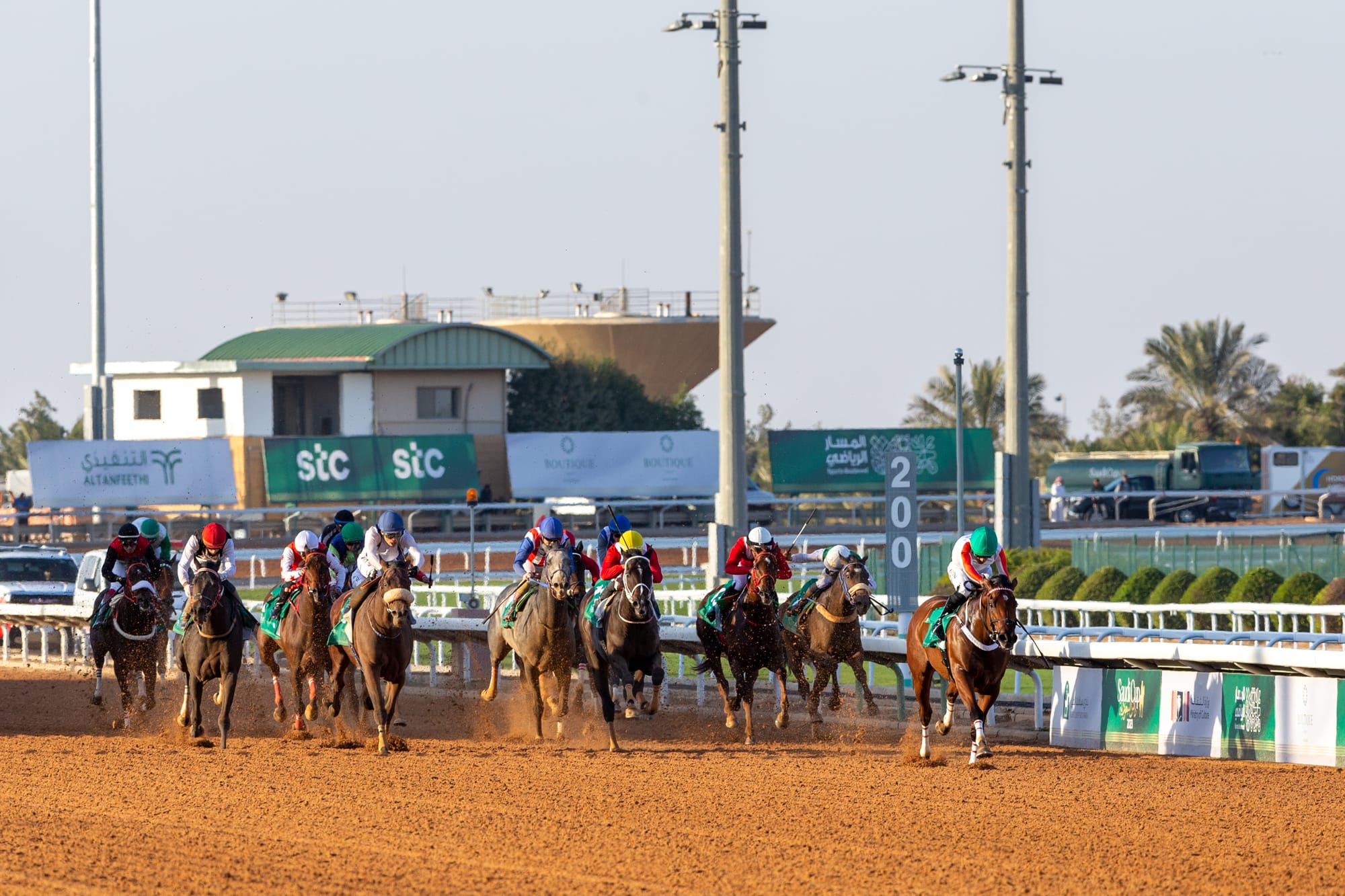
Already a handful of Australians have moved to the desert kingdom to speed this process: the chief steward at the Saudi Jockey Club is former Queensland official Rion Hitchener, while his deputy is another ex-Queensland steward in Benjamin Cooke. Martin Talty, who spent almost two years as an executive general manager at the Victoria Racing Club in 2016-18 is now the Director of Racing at the Jockey Club of Saudi Arabia.
The latest to head to Riyadh is former NSW and South Australian chief veterinary officer Toby Koenig, who moved to the Middle East to become the club’s Director of Veterinary Services.
The Straight caught up with Koenig shortly after his late March arrival to ask him about the challenges he faces in a completely new environment, what attracted him to the job and where he sees the Saudi industry going in the next few years.
Koenig is, not surprisingly, enthused about the prospects for development of the sport in the country which already hosts the world’s richest race – the $20 million Saudi Cup – and working with industry leaders who are prepared to invest heavily in building a sector which they are keen to make one of the world’s leading jurisdictions.
”I am joining a growing team to supplement the local authorities who have worked hard to get it to where it is now. It is progressing at a great pace. They have had a long history of racing and a very strong history with horses in the country. They are very skilled and experienced horse people,” he says.
”The Jockey Club became an official club in 1965 but the growth particularly in the last five years has been astounding since they implemented the Saudi Cup.”
 Matt Stewart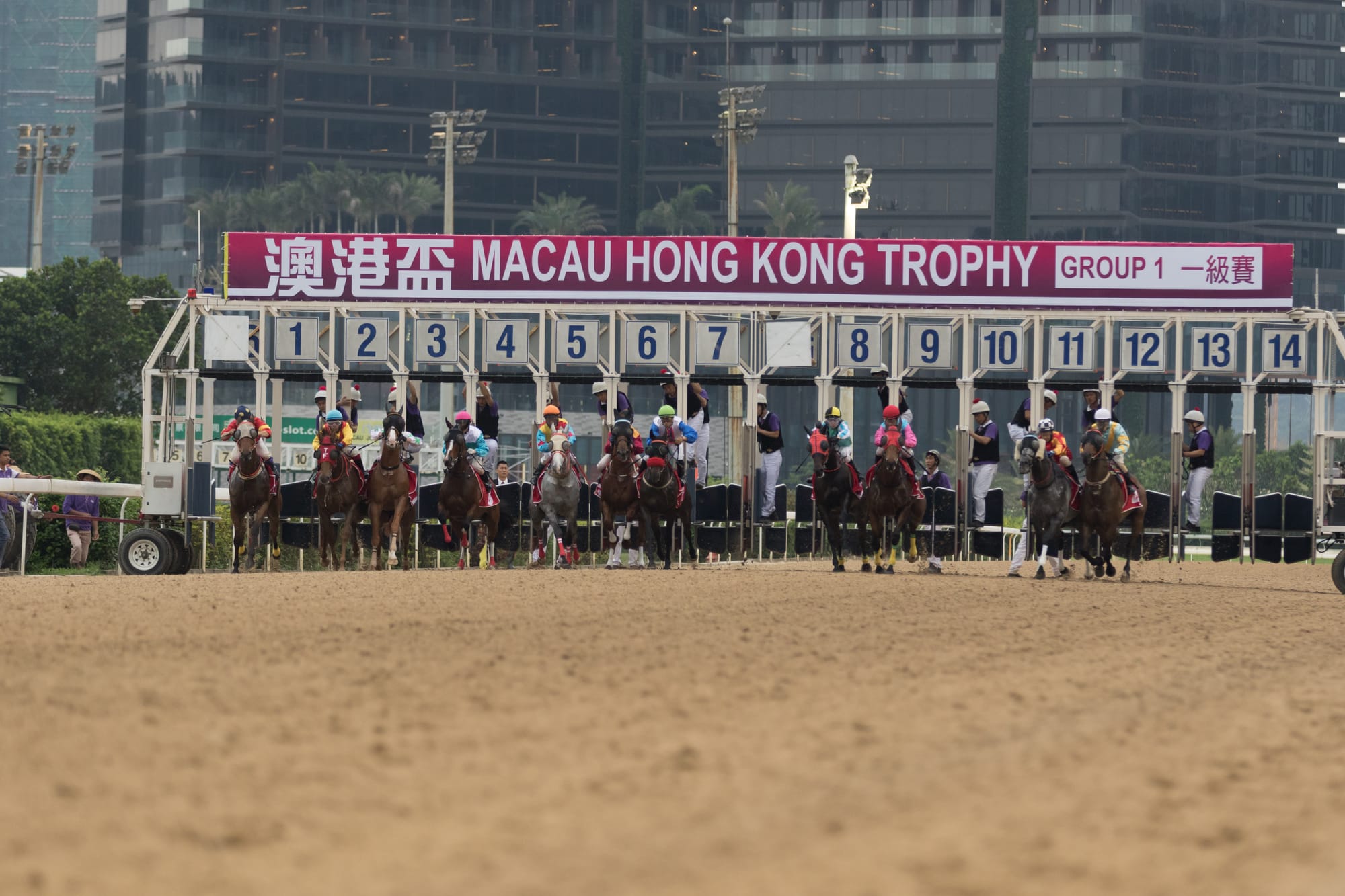
The creation of that contest helped the Saudi industry become a Tier Two IFHA jurisdiction.
It was the ambition to exceed that level that tempted Koenig and his wife Jourdin – a children’s cancer research scientist – to make such a major career change when contacts began to sound him out about the prospects of leaving Adelaide for the Kingdom.
“It was a huge opportunity. I was very sad to leave SA as I was thoroughly enjoying my time there and I expected to be there for a lot longer but the chance to be part of the Vision 2030 project was hard to turn down and was not something I could pass up as I had always wanted to work internationally,” says the 40-year old Koenig.
”We are not here to make sweeping changes. The international focus is on the Saudi Cup, but there is a huge amount of racing through the year and the focus is on improving that and lifting it’s profile.”
“The chance to be part of the Vision 2030 project was hard to turn down and was not something I could pass up as I had always wanted to work internationally.” – Toby Koenig
The issues veterinarians face are the same the world over, and Koenig says they are no different – with one glaring exception – to the three pillars he based his practice on in NSW and SA.
”The first pillar is the welfare of the horse, which is paramount, and that extends to the safety of the participants, primarily the riders, as the second pillar. In Australia the third pillar is the confidence of the wagering public, but as that is not a factor here (where betting is illegal). I see the third pillar here as being the confidence of the public in the integrity of the sport . That’s the focus of my team.”
Climatic conditions mean there are two major locations for racing – Riyadh (which races through the Saudi ”winter”) and the cooler mountainous city of Ta’if in the southwest, where events are run in the northern hemisphere summer.
Heat management is an obvious area of concern.
“It is no different here to any other jurisdiction. We are always striving to do better, have better protocols, better testing, better processes pre-race and post-race, assessments for out-of-competition requirement – there are always things that are developing and that can be improved,” he explains.
”Horses do acclimatise to those conditions. It’s very dry as opposed to what we have on the east coast of Australia, where it’s very humid. The humidity is a huge factor in the recovery of horses.
“Here we always have measures in place to deal with hot horses so that includes ice and running water and the facilities to be able to cool horses down pre and post-race.
”They are only running at maximum exertion for a very short time so it’s really a function of heat, not fluid deficit. We are not dealing with horses that are dehydrated or the sort of things you would deal with in endurance athletes.”
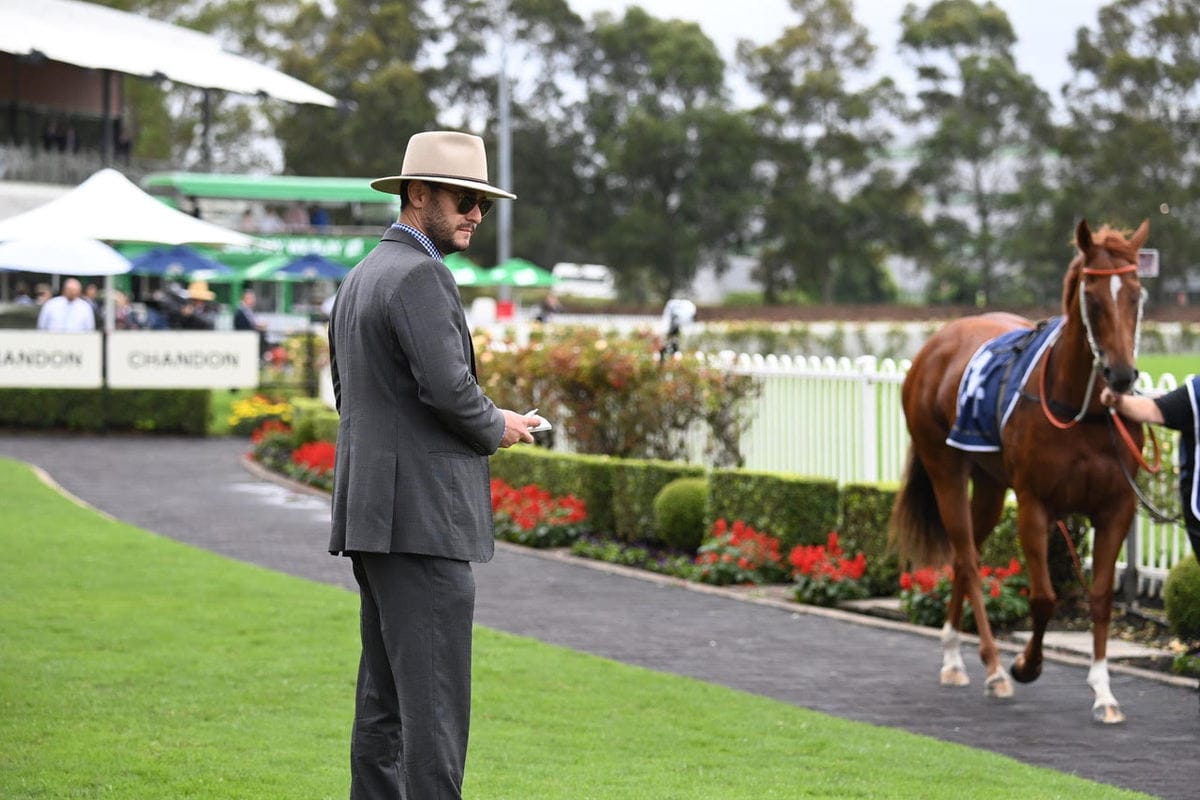
It’s early days yet for the likes of Koenig, Hitchener, Cooke and Talty, but Koenig believes that Saudi could eventually present many more of his countrymen and women with the sort of opportunities Hong Kong did forty or so years ago.
”From what I have seen so far I think there’s a massive opportunity for international advancement in the years to come,” he says.
”Glen Boss has been here, Damien Oliver was here this year. Caitlin Jones came over from SA as a female representative in the International Jockey Challenge a few years back.
”There are not any Australian trainers or jockeys here at this stage, but it is very much a melting pot of international jockeys. It is a huge opportunity with some of the growth that they have planned here.
”I think Hong Kong is a very good example. You look at the style of training and trainers there and I would think there is certainly scope for people to come here. I had a number of trainers ask me about that before I departed, and they certainly expressed interest about opportunities in the future.”
*MICHAEL LYNCH is a Melbourne and Adelaide-based writer. He was formerly a senior sports writer with The Age and The Sydney Morning Herald and covered Australian racing for three decades.
Related Articles
Less volume, more competition as Magic Millions backs its Book 1 strategy
Magic Millions surpassed $200 million for the fifth straight year as a reduced Book 1 catalogue delivered stronger competition, an 85 per cent clearance rate and a higher average. While turnover eased from pandemic highs, the sale reinforced confidence in the 2026 market.
Seven-figure moves – Waller and Maher split early session’s top Magic Millions Lots
Australia’s powerhouse trainers have turned the Magic Millions ring into a tactical battleground, with Chris Waller and Ciaron Maher each landing a million‑dollar headline acts on the Gold Coast.
Still ‘punching away’ – Bob Hannon has Millions of reasons to keep breeding racehorses
Half of Ascot Park on Sydney’s western outskirts has been sold, yet Bob Hannon’s breeding impact continues when it matters most during Magic Millions week on the Gold Coast.