
A turning point for gambling, sport and media in Australia
The federal government’s gambling ad crackdown is set to reshape sport, media and wagering in Australia, hitting broadcast rights and sponsorships in a structural reset. Warwick Barr analyses the changes.
Analysis: Australia’s proposed crackdown on gambling promotion promises to reshape the commercial foundations of sport, media and wagering, with early analysis suggesting the impact will extend far beyond the immediate loss of advertising slots.
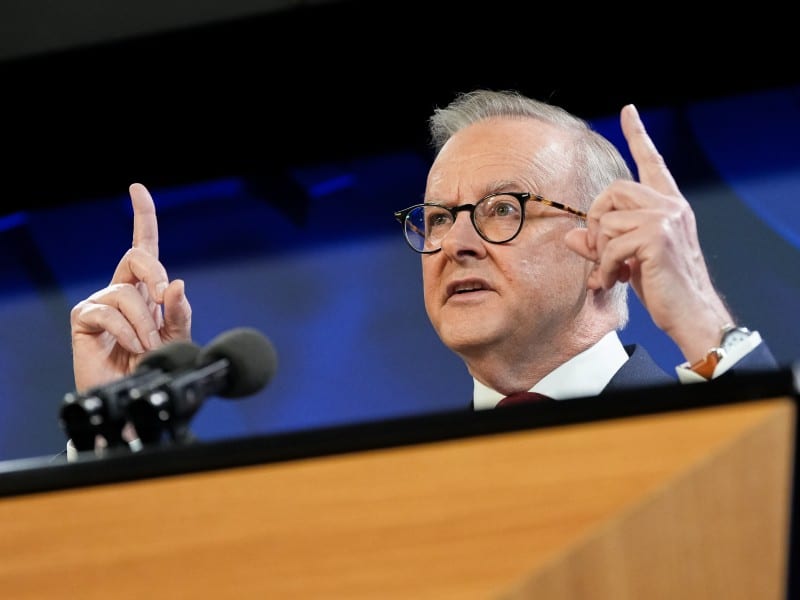
The federal government’s reforms, which stop short of a full ban but significantly limit when and how wagering brands can appear, mark one of the most consequential regulatory interventions in the relationship between gambling and sport in decades.
“The reforms are estimated to achieve a net benefit of $107.1 million per annum, and will deliver socio-economic benefits primarily through reductions in gambling-related harm,” The Office of Impact Analysis (OIA) said in its report to the government.
“Wagering providers, broadcasters, online platforms and sporting organisations will face new compliance obligations and reduced advertising revenue.
“Exposure to wagering advertising had the greatest impact on betting behaviour among young people and people at-risk of gambling harm and contributes to the normalisation of gambling.”
Set against those findings is a growing realisation that the reforms are not simply a regulatory tweak, but a structural shift that challenges how sport is funded and how media extracts value from live audiences.
Pressure on broadcast rights valuations
The most immediate impact will be felt in the market for sports rights, where expectations among media owners are most likely already being recalibrated downward.
Broadcasters have long relied on gambling advertising as one of the most lucrative categories, particularly during live sport, where large, engaged audiences translate into high conversion rates for betting operators.
By capping advertising frequency, restricting placement during live matches and stripping out betting-related branding, the reforms effectively shrink the pool of premium advertising inventory.
That loss goes directly to the heart of rights valuations because it limits how much revenue broadcasters can generate from the content they are bidding on.
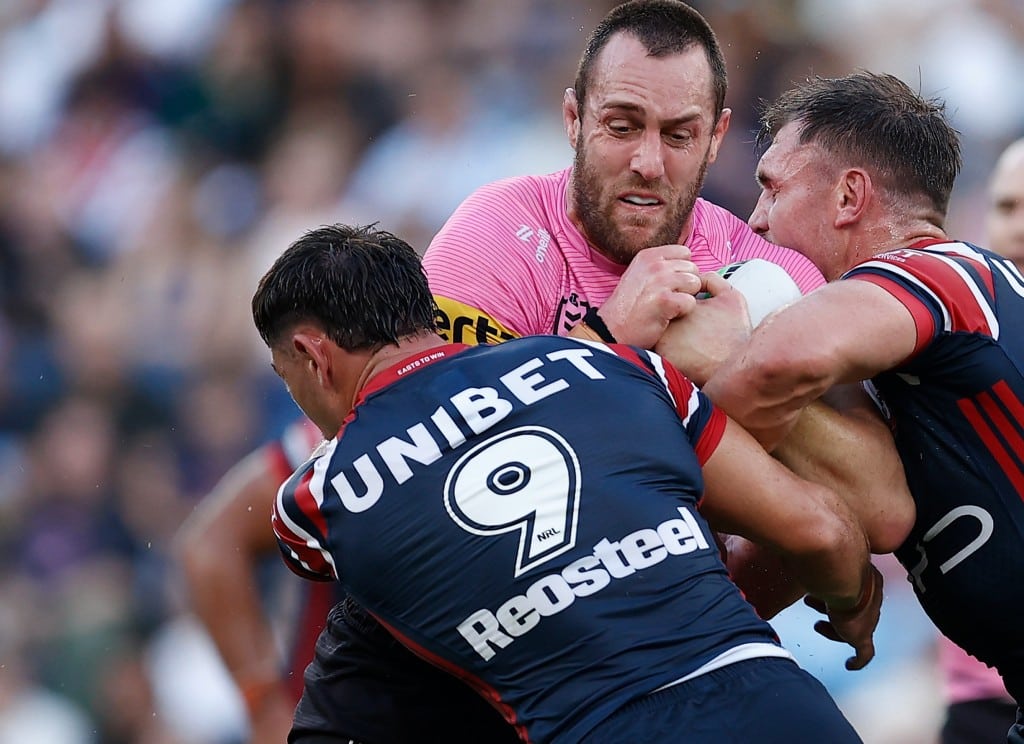
For leagues such as the National Rugby League (NRL), which had been targeting a step-change increase in its next broadcast deal, the implications will be immediate and material.
Without the same ability to monetise audiences through wagering spend, networks are likely to approach negotiations more cautiously, tempering the NRL’s expectations of a record-breaking agreement.
But rather than a sudden collapse in rights values, the shift is going to be more subtle. However it will be no less significant, resetting the ceiling on what broadcasters are willing to pay.
The experience of the English Premier League provides one of the clearest international parallels for what the Australian market could face as restrictions tighten.
A voluntary phase-out of front-of-shirt gambling sponsorships has created a visible commercial gap, particularly for clubs that previously relied on betting operators as anchor sponsors.
Estimates from industry sources suggest a combined shortfall of around A$160 million across clubs as existing deals expire and are replaced at lower values, particularly ahead of the 2026/27 season.
A significant number of Premier League clubs remain without confirmed front-of-shirt sponsors, underscoring how quickly a major revenue category can unwind when regulatory and reputational pressure intensifies.
In several cases, replacement agreements have been struck at materially lower levels, with some deals reported at less than half the value of their gambling-linked predecessors.
The impact has been uneven across the league.
Clubs with global brand strength and diversified commercial portfolios have been better placed to absorb the loss, while mid-tier teams have faced sharper revenue compression.
There is also evidence that gambling operators had been paying a premium for international visibility, particularly in Asian markets where shirt sponsorship delivers outsized exposure relative to domestic media value.
That premium is now effectively exiting the system, forcing clubs to reprice expectations around what shirt sponsorship is worth in a post-gambling advertising environment.
For Australian sport, the parallel is obvious: once wagering exits or is heavily constrained, replacement sponsors rarely match previous valuations on a like-for-like basis, particularly in categories with lower margins or narrower global reach.
While Australia’s major sporting codes could only dream of the international footprint belonging to the EPL, a ban will be a significant financial hit.

It will be especially felt among NRL clubs that have become reliant on sponsorship deals with wagering firms, including signage, playing strips, and stadium naming rights.
As it stands, five NRL clubs display the name of bookmakers on their jerseys, and there are a further eight who have strategic partnership agreements.
Media reports this week suggest those clubs with time to run on existing deals may be exempt from the January 1 deadline.
They will be permitted to honour current contracts beyond the implementation of the crackdown, according to The Sydney Morning Herald.
A ripple effect across the sports ecosystem
A recalibration will not stop with broadcasters but ripple through the entire sports ecosystem.
Gambling sponsorship has become deeply embedded in Australian sport over the past decade.
Its gradual removal is certain to force a rethink of commercial models that have come to rely on a consistently high-spending category.
“While a full ban was identified to have a higher net benefit, it would also impose a significant financial burden on industry which would impact Australia’s grassroots sport and media industry,” the OIA said.
For clubs, the challenge is not just replacing lost revenue, but doing so in a market where alternative sponsors may be less willing to pay comparable premiums.
ASX wagering stocks: muted reaction
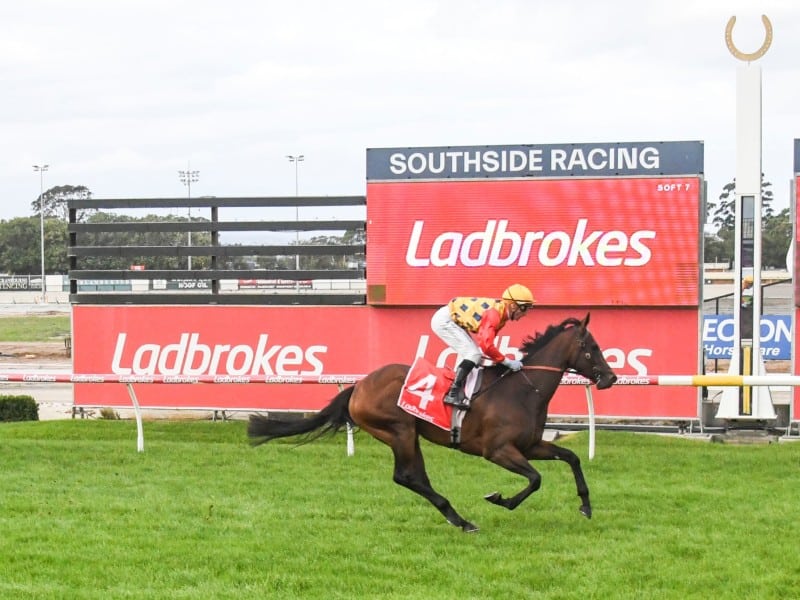
In equity markets, the response to the April 2 announcement has been notably restrained, with analysts pointing to the phased nature of the reforms and their partial scope.
Major listed wagering players, including Tabcorp, PointsBet and Betr have not experienced sharp or sustained sell-offs, with price movements broadly modest in the weeks following the policy release.
This muted reaction suggests investors view the changes as manageable in the near term, particularly given that full implementation is still several years away.
For Tabcorp, the incumbent retail-heavy operator, the reforms may even carry a degree of strategic upside, as tighter advertising rules reduce the ability of digital challengers to aggressively acquire customers through marketing spend.
PointsBet has continued to be shaped more by corporate activity than regulatory pressure, with takeover speculation and strategic positioning driving volatility rather than fundamentals. It is interesting, though, that PointsBet’s use of Shaquille O’Neal to promote its products has been used as an example of why the government is seeking to ban celebrity and athlete endorsement.
Betr remains more exposed to structural change given its reliance on aggressive customer acquisition strategies and relatively thinner scale advantages compared with larger rivals.
Across the sector, the broader concern is not immediate disruption to earnings, but the gradual erosion of customer acquisition efficiency as advertising channels tighten and competition shifts toward product and brand strength and retention rather than reach.
Media companies under strain
The pressure is acute for traditional media companies, which are navigating structural changes amid softer overall advertising conditions.
Free-to-air broadcasters, in particular, face a dual challenge: a shrinking pool of high-yield advertising and limited capacity to replace it quickly.
“It is understood that broadcasters and sports will be significantly more limited in their capacity to recoup lost revenue,” the OIA report said.
Recent data suggests the adjustment is already underway, with wagering advertising volumes and revenues declining sharply over the past two years.
That trend is a reaction to heightened regulatory scrutiny and a degree of pre-emptive pullback by the industry.
The new reforms will accelerate that trajectory, forcing media companies to rethink how they package and sell sports audiences in a more constrained environment.
Digital platforms may be better positioned to absorb the shock given broader growth in online advertising, but for traditional broadcasters, the path forward is less clear.
Wagering companies adapt to a new reality
For wagering operators, the reforms reshape the competitive landscape rather than simply reducing revenue.
Advertising has been a key lever for customer acquisition, particularly for smaller or newer entrants seeking to build scale.
Restrictions on that channel are likely to favour incumbents with established brands and loyal customer bases, while making it harder for challengers to gain traction.
At the same time, a reduction in overall advertising intensity could ease competitive pressures within the sector, creating a more stable, if slower-growing, market.
This may help explain the relatively muted sharemarket response, even as the longer-term implications remain significant.
The long lead time before full implementation also gives operators an opportunity to adjust strategies, diversify marketing channels and refine customer retention efforts through product development.
The policy rationale and the trade-offs
What distinguishes these reforms is the clarity of their underlying policy objective.
Acting on the OIA report, the government’s case rests on a growing body of evidence linking gambling advertising to behavioural harm, particularly among younger and more vulnerable audiences.
At the same time, policymakers have been careful to avoid the most disruptive option.
“Maintaining existing arrangements would likely see an increase in the volume of wagering advertising which would not address the priority areas for reform,” the OIA said.
By rejecting both the status quo and a full ban, the chosen approach reflects a deliberate attempt to balance harm reduction with economic sustainability.
That balance is inherently imperfect, preserving some commercial activity while still imposing meaningful constraints on industry.

A structural reset, not a short-term shock
Taken together, the changes point to a gradual but decisive reset rather than a sudden rupture.
The integration of gambling into the fabric of Australian sport is being unwound, but it will not happen overnight.
In the short term, that means lower advertising revenues, more conservative rights deals and a scramble for replacement sponsorship.
Over time, it is likely to drive deeper changes in how value is created, pushing leagues and broadcasters to diversify revenue streams and reduce reliance on a single category.
As the reforms move towards implementation, attention will shift from policy design to execution and adaptation.
Legislative changes and regulatory oversight will define the framework, but the real test will be how effectively each part of the ecosystem responds.
What will emerge is a different commercial landscape, one that is less dependent on gambling and more aligned with shifting community expectations.
The transition may be uneven, but it marks a turning point in the evolution of Australia’s sports and media economy.
Related Articles
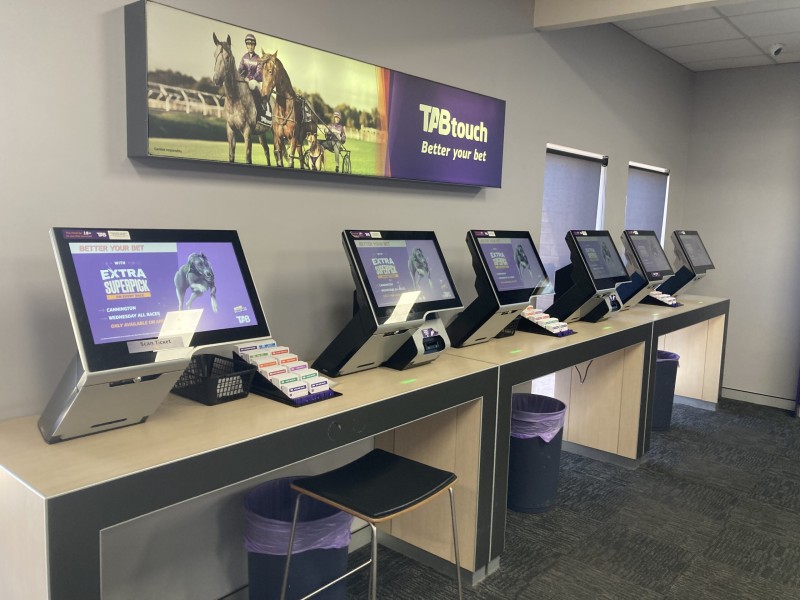
🔒 🔒 RWWA review revives WA TAB sale question, but at what price?
Western Australia has tried three times to sell its TAB. A $28.5 million loss, an unresolved AUSTRAC assessment and a review of the wagering business’s outlook make a fourth attempt plausible, but the $1 billion once on the table is long gone.

Stake faces Nigerian ban and Premier League resistance
Regulators have declared Stake.com unlawful across Lagos and 24 other Nigerian states, while its Everton partnership faces a separate threat from proposed British sponsorship laws.
🔒 🔒 One in five Australian NFL fans now bet on the sport – Does a game on home soil change that?
A 1.7 million-strong Australian NFL audience, a Melbourne regular-season game and a Super Bowl-winning punter from Sydney have given bookmakers a new recurring market. So how big is the NFL betting market in Australia?
