
Aqueduct’s farewell reflects a shrinking American racing landscape
A New York racing institution closes after 132 years as Aqueduct becomes the latest casualty of America’s shrinking racetrack landscape, with lessons and comparisons reaching all the way to Australia.
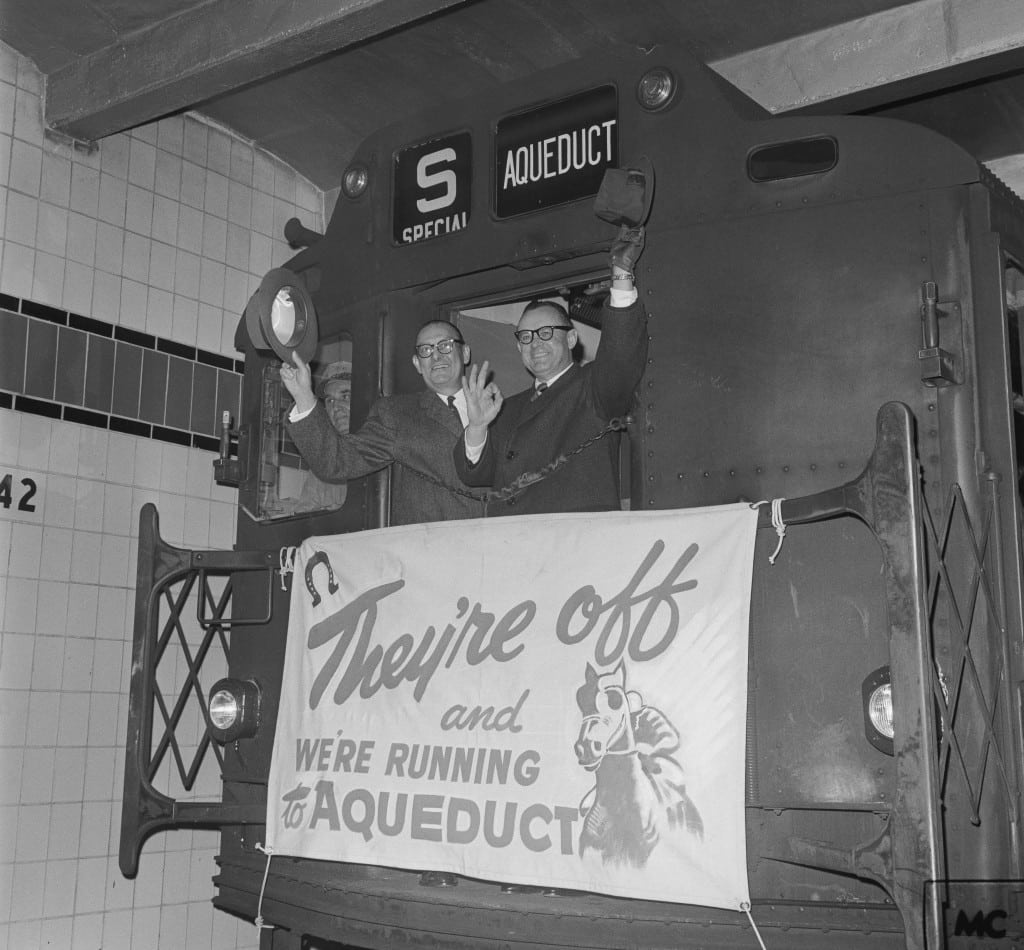
When the gates closed for the final time at Aqueduct Racetrack, New York farewelled one of the most storied venues in American thoroughbred racing and marked another milestone in the steady contraction of the sport across the United States.
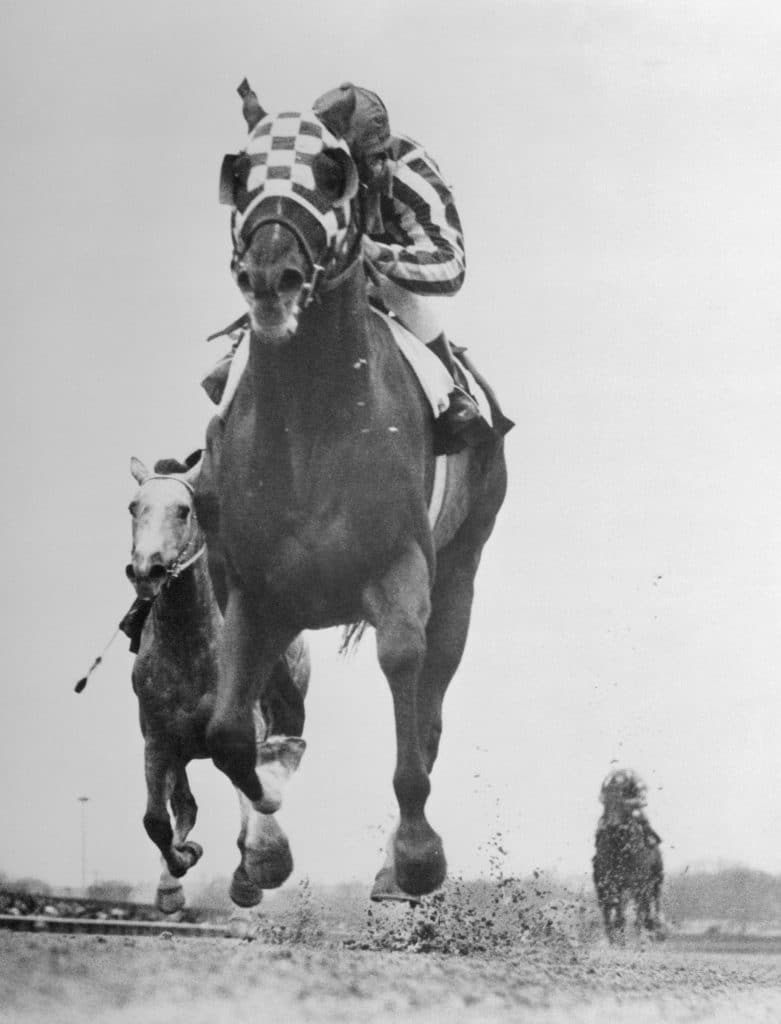
For 132 years, Aqueduct stood as a cornerstone of New York racing, hosting champions including Secretariat, Man O’ War and Seabiscuit while serving generations of thoroughbred fans in Queens, on Long Island, across the East River from Manhattan.
Its final race, fittingly titled It Was a Good Run, brought the curtain down on a venue that first opened in 1894.
The closure was not the result of financial collapse.
Instead, it has been described as a strategic consolidation as the New York Racing Association (NYRA) transfers year-round racing to the newly redeveloped Belmont Park.
Belmont Park has been closed amid a $US500 million reconstruction project that is almost completed, courtesy of New York State backing.
It will open in September, signalling once and for all the demise of Aqueduct, which is located 15km away.
Yet Aqueduct’s disappearance also reflects an overall pattern that has transformed American horse racing over the past century.
According to the National Thoroughbred Racing Association, the United States now has about 75 active thoroughbred racetracks.
By comparison, during horse racing’s boom in the late 19th and early 20th centuries, more than 300 racetracks across America staged thoroughbred meetings, making the sport one of the nation’s biggest spectator attractions and a major gambling industry.
The contrast illustrates just how dramatically American racing has condensed.
Before professional football, basketball and modern baseball emerged as entertainment giants, horse racing occupied a unique place in American culture because it offered one of the few legal opportunities for gambling.
That monopoly steadily disappeared.
State lotteries, casinos, tribal gaming, poker rooms, online sportsbooks, daily fantasy sports and mobile betting have all competed for gambling dollars that were once largely reserved for the nation’s racetracks.
Industry leaders have increasingly accepted that the sport’s future lay in concentrating racing around fewer, stronger venues capable of supporting larger purses and modern facilities rather than maintaining dozens of ageing racecourses.
Aqueduct itself had long symbolised that changing business model.
Much of its property had already been overshadowed commercially by the adjacent Resorts World casino, whose gaming operations attracted significantly larger crowds than the racing staged alongside it.
Its closure follows a succession of famous American racetracks that disappeared over the past decade.
Perhaps the most significant was Arlington Park near Chicago, which closed after the 2021 season despite its international reputation as home of the Arlington Million and one of America’s premier turf racing venues.
The property was later purchased by the Chicago Bears as a potential stadium site, underscoring the growing value of metropolitan real estate relative to horse racing.
On the West Coast, Golden Gate Fields ceased racing in 2024 after more than 80 years, ending thoroughbred racing in the San Francisco Bay Area and forcing horsemen to relocate elsewhere in California. It is being converted into a massive waterfront park.
Harness racing also lost one of its most historic venues when Freehold Raceway in New Jersey staged its final meeting in late 2024 after tracing its origins to the 1830s.
Even before the past decade, the closures of celebrated venues such as Hollywood Park in California and Hialeah Park’s departure from top-level thoroughbred racing demonstrated the commercial pressures confronting historic racetracks situated on increasingly valuable urban land.
The economics had become increasingly difficult.
Attendance had fallen dramatically from the enormous crowds that once packed grandstands, while maintaining sprawling racing facilities became more expensive even as betting turnover became divided across an ever-growing range of gambling options.
Rather than contemplating potential extinction, many racing administrators have argued the contraction represents a necessary reset.
Their view was that fewer racetracks would produce fuller fields, stronger wagering pools, healthier prize money and more sustainable racing circuits.
That philosophy underpinned New York’s decision to centre its thoroughbred calendar around Saratoga and the rebuilt Belmont Park while allowing Aqueduct to fall into decay.
For a brief time during its existence, Aqueduct was called ‘the world’s most modern and luxurious horse plant’. A new $34.5 million grandstand was the centrepiece of the track’s grand reopening in 1959.
The 34,000-seat facility had 18 escalators with more than 40 per cent of the seats in glass-enclosed, air-conditioned areas. Governor Nelson Rockefeller christened the structure, which would last until the track’s closing.
Known colloquially as “The Big A”, it became an institution where winter racing continued through snow, freezing winds and harsh conditions long after many other tracks had shut for the season.
As the final field crossed the finish line beneath the Queens skyline, American racing also crossed another symbolic milestone.
The sport that once prospered now sits within modern America as an example that a century of history is not enough to guarantee a racetrack’s survival.
The comparison with Australia is striking because, despite having a population barely one-twelfth that of the United States, Australia still boasts one of the world’s largest thoroughbred racing networks, with more than 350 active racetracks hosting metropolitan, provincial and country meetings across every state and territory.
While Australia’s racing footprint has remained comparatively stable, it, too, has farewelled several famous venues over the past half-century as urban development reshaped cityscapes.
Brisbane’s Albion Park thoroughbred track closed in the 1980s after racing was consolidated at Eagle Farm and Doomben.
Adelaide underwent perhaps the biggest transformation, with Victoria Park staging its final meeting in 2007, followed by Cheltenham Park in 2009, leaving Morphettville as South Australia’s sole metropolitan thoroughbred venue.
In 2010, Harold Park, less than 4km from Sydney’s CBD, fell into the hands of residential developers, ending an era of harness racing that will be almost impossible to match.
Greyhound racing has also not escaped rationalisation. On Sunday, thousands turned out for the final greyhound race at Broken Hill.
Even so, the scale of change has been far less dramatic than in America as Australia continues to race at hundreds of venues and remains one of the few countries where country race meetings still form the backbone of many regional communities.
While Sydney’s Rosehill racetrack escaped the clutches of a similar fate when Australian Turf Club members voted down a controversial sale proposal, Aqueduct’s demise will herald one of the largest urban redevelopment opportunities in New York City.
With racing now consolidated at the rebuilt Belmont Park, approximately 100 acres of state-owned land in South Ozone Park has become available for redevelopment.
The adjacent Resorts World New York City casino will continue operating and remains central to the site’s long-term future.
New York State has already begun a community consultation process to determine the best use of the surplus land, with a master plan expected to guide redevelopment over the coming years.
Rather than preserving the racetrack as a sporting venue, planners are examining a mixed-use precinct incorporating housing, retail, community facilities and significant public open space.
Housing is expected to form the centrepiece of the redevelopment as New York continues searching for new sites capable of easing the city’s chronic shortage.
For the NYRA, the closure delivers what administrators have pursued for years.
That is a single, modern downstate headquarters capable of hosting racing throughout the year rather than splitting meetings between multiple venues.
That means Aqueduct’s greatest legacy may ultimately be its role in allowing New York racing to reinvent itself, while the land it occupied begins an entirely different chapter serving a growing residential community rather than the thoroughbred industry.
Unlike the Rosehill process, there were few, if any, complexities surrounding the decision to pension off Aqueduct.
New York State provided the funds for Belmont’s upgrade as the catalyst in a seamless transaction compared to a labyrinth of caveats attached to any proposed Rosehill deal.
For generations of racing fans, however, no amount of redevelopment will erase the memories of “The Big A”, whose final finish post may have fallen silent but whose place in American racing history remains secure.
Related Articles
🔒 🔒 Racing digital publications get exemptions from new wagering advertising opt-out restrictions
Australia’s racing media sector has secured a carve-out from new wagering advertising restrictions, despite broader reforms designed to give consumers greater control over wagering promotions.

🔒 🔒 ‘The TAB will get sign-off from the codes’ – New Zealand thoroughbred and harness racing administrations likely to merge
New Zealand racing is on the verge of a major overhaul, with details of a proposed unified administration for thoroughbred and harness racing, as well as a new property trust, expected to be unveiled within the next two weeks, according to a leading industry media figure.
Letter to the Editor – Helen Sinclair on Racing for the Regions
Experienced racing administrator Helen Sinclair has written a letter to the editor questioning key aspects of the Racing for the Regions program.
