
ATC maps two-year push to unlock Rosehill and Canterbury land value
The ATC is banking on Rosehill and Canterbury redevelopment to steady its finances, with Steve McMahon ruling out selling any Sydney tracks and confirming Warwick Farm’s major rebuild is off the table.
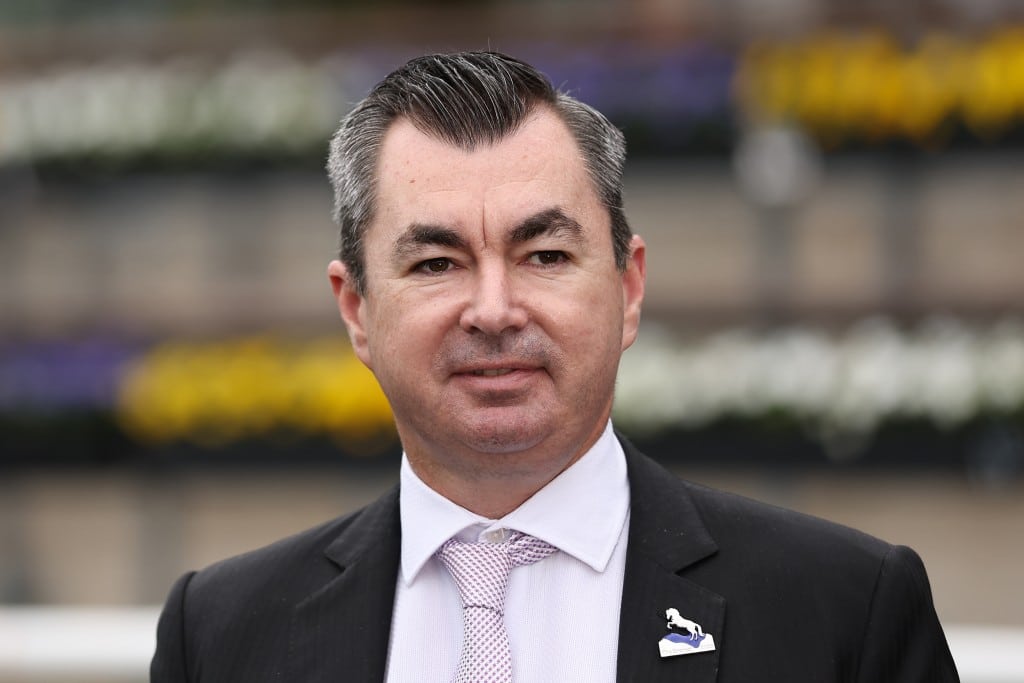
Rosehill and Canterbury remain central to the Australian Turf Club getting back onto financially firmer footing, but interim chief executive Steve McMahon has ruled out selling any Sydney racecourses in the foreseeable future as a way of balancing the books.
McMahon, who was the architect of the failed proposal by the ATC to sell Rosehill to the state government for at least $5 billion, says lessons have been learned from the tumultuous two-year period that has engulfed Sydney racing.
While the fallout from the proposal is far from over – the ATC is still at risk of being placed into administration by Racing NSW, with a decision possible prior to Christmas – McMahon and the club’s board and executive were planning for the future.
And that means “a two- to three-year bridge we need to get through” to realise the value of developing surplus land around Rosehill and Canterbury racecourses.
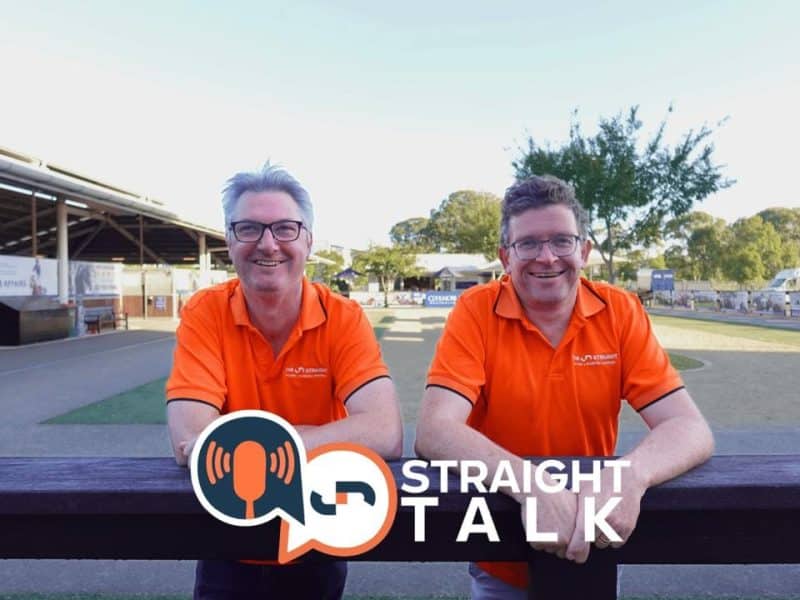
“At Camellia, the idea has always been to pick up the (Rosehill) bowling club, move it across the road into a multi-use development where you’ve potentially got a hotel … (where) you can view the racecourse, and it becomes a 365-day experience for the community out there,” McMahon told the Straight Talk podcast.
McMahon described initial plans for the Camellia project, which were first floated almost a decade ago, as flawed and that a process was under way to amend the proposal.
“The current government, our understanding is, is looking at what that could look like in the future. Our land’s OK, but the land around us is quite contaminated, so they’re looking at how that works,” he said.
“We’re in the best position because of our car park land and the surplus land around there, we’re basically ready to go when we get some approval.
“So, the way it would work in terms of being monetised, we would expect within the next six months, the government will come out with some form of strategy for that.
“Once we know what those rezonings are, we can then enter into discussions with obviously Racing NSW, but also our partners and developers to monetise that, whether it’s money upfront or whether you take it at the end, we’ve got to look at that deal.”
McMahon, who was installed as interim CEO in September after the Tim Hale-led board parted ways with Matt Galanos, insisted any development at Canterbury would also be heavily weighted towards it becoming a multipurpose project which engaged the local community.
“We’ve got three parcels of surplus land outside the racecourse, but one of them has the quarantine centre on it,” he said.
“So we’ve obviously got to be careful there or we’d have to find an alternative to that, but we’ve got the King Street development that we’re working through now, we’ve got a few legal issues with our partner on that, that we’re trying to sort through, but it’s valuable land.
“And again, within the next couple of years, that will be realised in terms of development, which will give us the cash we need. So, that parcel lands pretty much ready to go.”
The 1.28-hectare parcel of land on King Street project could be worth a reported $70 million to the ATC if the high-density 200-unit housing project proceeds alongside other independent developments being undertaken close to Canterbury racecourse.
The ATC and developer Mirvac are currently in a legal dispute over the deal to develop that site, which was signed in 2017.
“We want to make sure they are quality and that they complement the experience when you go to the track and don’t detract from it,” McMahon said.
“So, we’re not about selling just to the highest bidder and getting the biggest chunk of cash we can and moving on.
“You’ve got to be strategic about it and we want to build communities around there. A lot of discussions, for example, at Canterbury and King Street are about the need for cafes and restaurants and making it a livable experience. If we ever invest more capital into, be it Rosehill or Canterbury, you want it to be a community.
“You want it to be something that invites people to the track.”
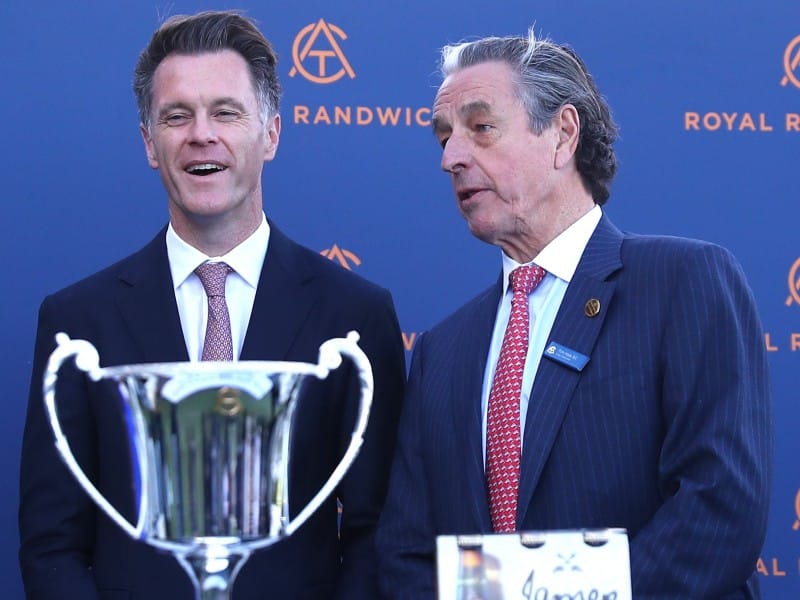
Asked about the status of the ATC’s show-cause notice issued by Racing NSW, McMahon said “we’re confident that we’re sound financially and our governance is sound”.
Racing NSW and the ATC met on November 27, with the club asked to provide more information in answer to numerous questions and concerns raised in the governing body’s show-cause notice.
“If we were an ASX-listed company, would we be in receivership? The answer is no. We can pay our bills and we’ve got a strong asset base. Would our share price be low? Probably,” he said.
“(But) there’s certainly room for improvement there.”
If the Rosehill sale did proceed, one of the biggest long-term winners would have been Warwick Farm, which had been earmarked for an $800 million upgrade.
A candid McMahon said a redevelopment of Warwick Farm at that scale was now off the table, but he insisted that the south western Sydney track remained an important racing and training facility which underpinned the sport in the metropolitan and provincial area.
Warwick Farm is Sydney’s biggest training centre, with upwards of 800 horses in work at any one time and five of the top 10 Sydney trainers this season based at the track.
“I love Warwick Farm. It’s the closest one to my house and it’s in a good part of the world,” he said.
“(But) the reality is we don’t have the money to do what we were proposing to do as part of the Rosehill sale. The development there is limited because of the (risk of) flooding, so you can’t really do a residential type development there.
“That’s why it was going to cost so much because you could build the stables there, but you’d have to spend a lot on engineering and the like to make it happen.”
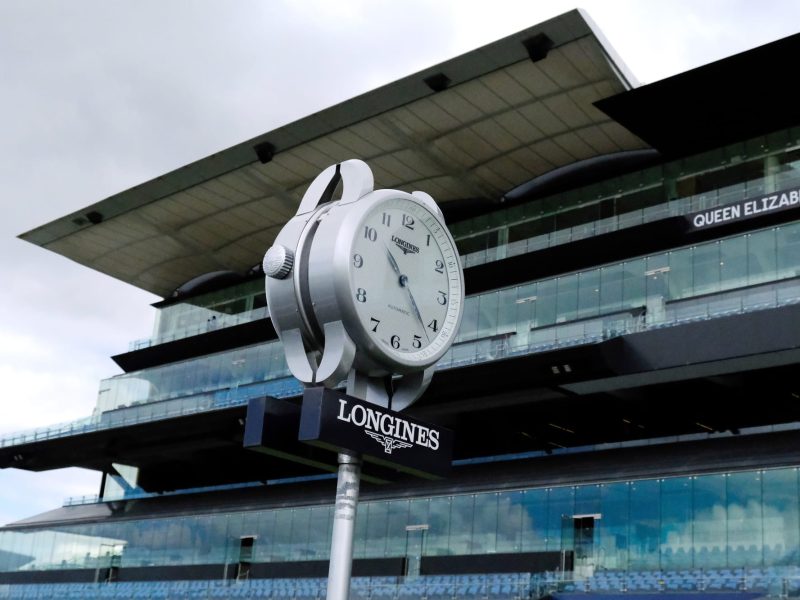
Regardless, McMahon said the course proper needs to be rebuilt.
“It’s serviceable the way it is, but there’s a camber at the side that falls off, which is not ideal and makes it hard when you get a bad barrier,” he said.
“It does need a revamp … and that’s something that we’ll work with Racing NSW on.”
Given the importance of Warwick Farm as a training centre, and the scarcity of boxes at Rosehill and Randwick, McMahon revealed that the ATC could explore a model used in Victoria to help upgrade facilities and increase the number of stables.
Pakenham sold parcels of land on its racecourse site, allowing trainers to develop their own stable complex, creating an asset for them to own.
“In the future with stables and the like we’re looking at we’re looking at innovative ways to have funding for stables, whether or not the trainers themselves invest, because at the moment it’s a rent deal for everything,” he said.
“There’s the Pakenham model or other types of arrangements. We’re really looking at innovative ways that we can do it. But Warwick Farm will continue to be our strongest training centre and we just need to improve the facilities there.”
Author

Related Articles
Thoroughbred Park redevelopment enters key stage as government deliberates
Thoroughbred Park’s proposed redevelopment has moved into a crucial phase, with the Canberra Racing Club awaiting a recommendation from ACT planning authorities before the proposal is considered by the Legislative Assembly.
Letter to the Editor – Mick Sharkie – Reimagining the Derby
Mick Sharkie says it is time to look at the fact that Australia currently hosts four Group 1 Derby races at the same distance within a seven-month time frame.
Heddo heads off – CEO to leave Hawkesbury
Hawkesbury Race Club has confirmed that chief executive James Heddo will step down from his role, ending his four-year tenure in July.
