
Belmont on indefinite hold as turf, geoscience experts called in to investigate track mystery
The immediate future of racing at Belmont Park racecourse as Perth’s winter racing venue is uncertain as perplexed officials scramble to pinpoint an issue with the racetrack.
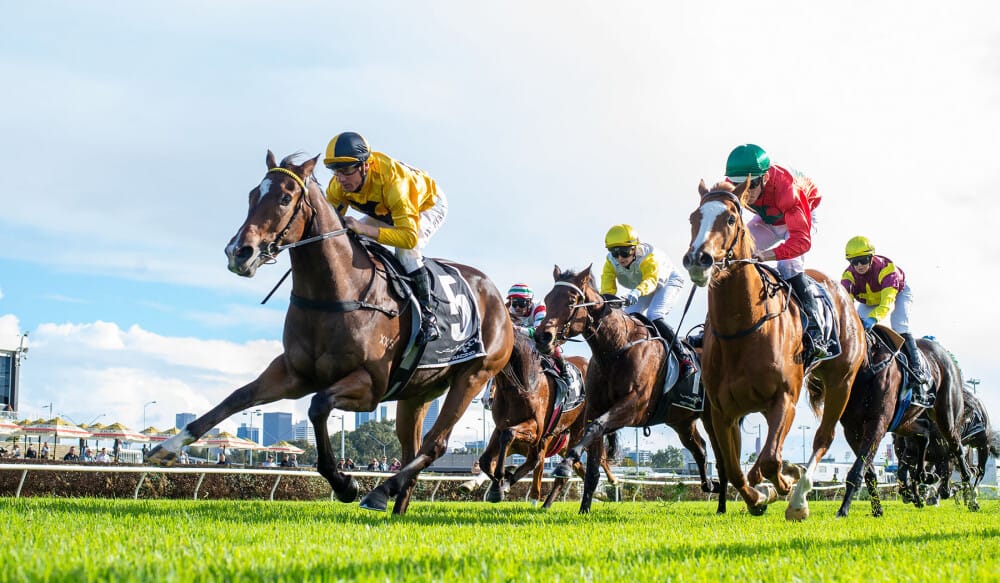
Stewards were forced to abandon the last four races on Saturday, including the $200,000 Group 3 Belmont Sprint, on safety and welfare grounds.
Jockeys reported their mounts were stumbling or taking false strides on a section of the track, about 150m from the winning post in the home straight.
Rider and officials staged two separate track inspections which revealed there was no visible damage to the surface.
However, based on video footage and jockeys’ concerns, stewards had no alternative but to call a halt to racing.
The Belmont Sprint and the three other supporting races will be run at a meeting transferred to Pinjarra, about 80km south of Perth, on Wednesday.
Pinjarra will also stage this Saturday’s metropolitan meeting with Ascot ruled out as it undergoes its usual end-of-season renovation before returning to the Perth racing roster in October.
Further analysis of the compromised area has since failed to reveal the cause of the problem, forcing Perth Racing to call in outside experts.
Metropolitan racecourse managers from around Australia have also been enlisted to see if they can provide a solution.
“There have obviously been extensive further inspections of the track following Saturday’s meeting,” Perth Racing chief executive James Oldring told The Straight.
“But there is still no visible evidence of an obvious issue with the track, nor is any data from the going stick or moisture readings providing clear evidence that points towards the source of the problems that occurred on Saturday.”

Ground Science and Living Turf, companies highly regarded in the management and testing of sporting fields involving soil and grass ecology and geotechnical profiles, have answered a Perth Racing SOS.
“Extensive further testing has been commissioned, which will be undertaken by external consultants … on both the surface of the track and also the soil and sand profiles beneath the turf layer,” Oldring said.
“This will involve analysis of cored samples and the deployment of a lightweight deflectometer machine to assess compaction.”
Test results are unlikely to be known until next week, leaving Perth Racing and Racing and Wagering Western Australia stewards with no alternative but to switch another meeting to Pinjarra.
“Dependent on those results, there may need to be remedial work carried out on the track – how extensive this may be, and how long it may take, will be determined by what is found during testing,” Oldring said.
Perth Racing and RWWA held an emergency meeting on Monday to formulate a contingency plan should Belmont be ruled out of action for an indefinite period.
“If it is deemed necessary to transfer future meetings at Belmont, this will be communicated as soon as possible.”
“The priority for everyone in WA thoroughbred racing is the safety of all participants.
“And therefore we will not return to racing at Belmont until such time as extensive testing is completed and the recommendations arising from that testing have been implemented.”

Belmont’s season of racing opened on May 17 and horses have routinely galloped over the surface on race mornings without incident.
Perth Racing racecourse manager Brock Neeling had earlier admitted the issue had caught his staff off guard.
“(The track) walks extremely well so we’ve got to look deeper into the surface to see what those horses are feeling when they’re at full flight,” he told SEN’s Giddy Up program this week.
“Obviously, they feel something slightly different than we do when we’re just walking across it.
“Normally, if you’ve got an issue with the track, you can clearly walk to it and point it out and it’s there for everyone to see.
“This is the complete opposite to that … which made it extremely difficult.”
Related Articles
ATC wins court reprieve from administration until at least February
The Australian Turf Club will stay out of Racing NSW-imposed administration until at least February, after the Supreme Court of NSW issued a new order preventing any further action until the matter can go to a further hearing.
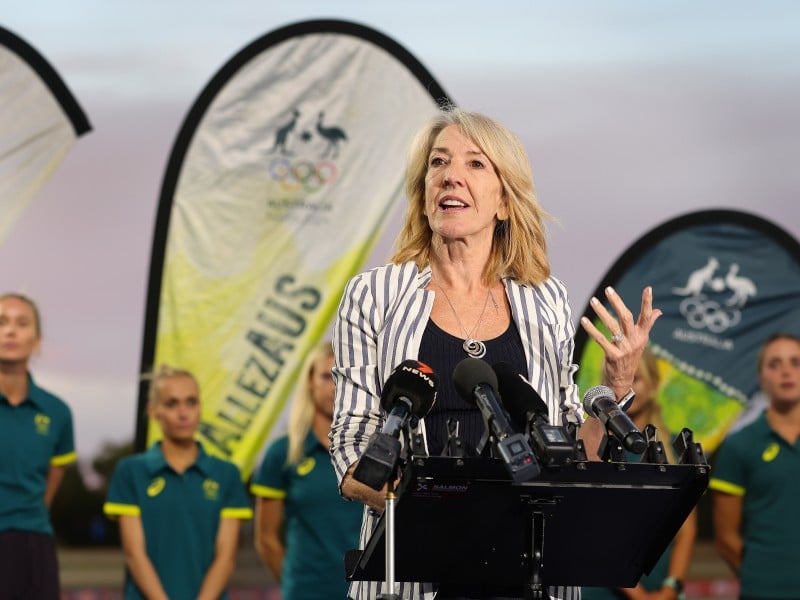
New blood at Racing NSW – Olympian and business veteran join board
The NSW state government has announced replacements for Garry Charny and Tony Shepherd on the Racing NSW board, with an Olympian and a Venues NSW board member joining the thoroughbred industry regulator on four-year terms.

Mary Collier chosen to oversee sweeping reforms to Queensland racing
A generational reset of Queensland racing has moved into its implementation phase, with Racing Queensland appointing Mary Collier to oversee the rollout of the McGrath review’s sweeping, government-endorsed reforms.