
🔒 🔒 Coffs Harbour stable lease impasse prompts Racing NSW meeting
A scheduled meeting between Racing NSW and Coffs Harbour stable owners has provided the first tangible sign of progress in an 18-month dispute over leasing arrangements that participants say has undermined investment and confidence in the regional NSW training centre.
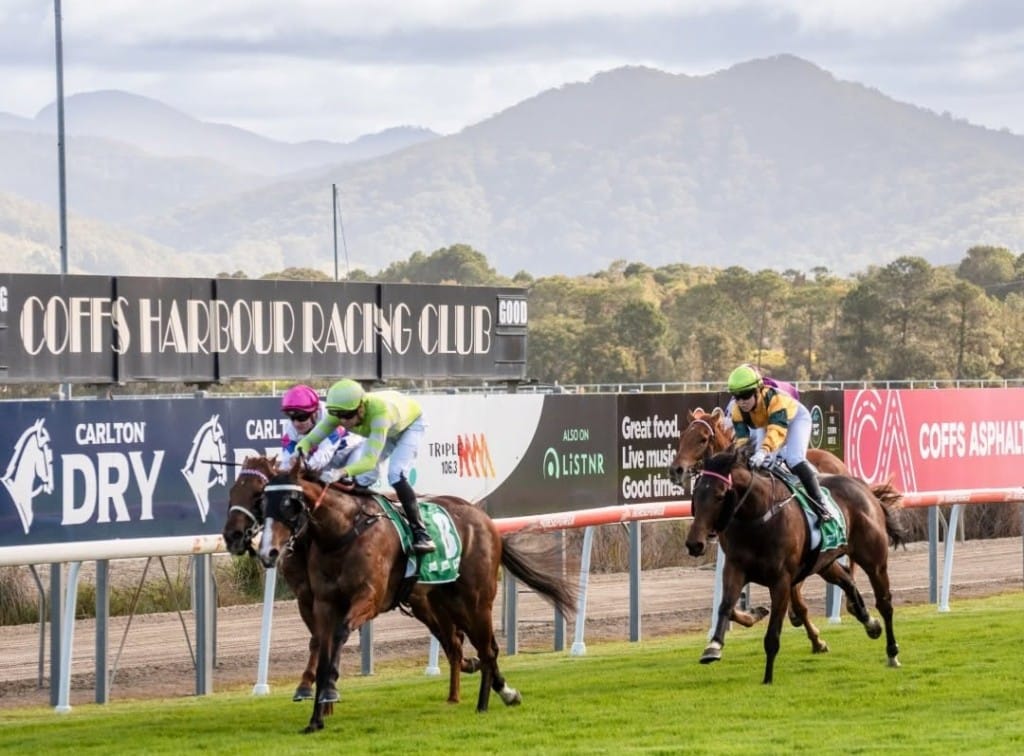
A meeting between Racing NSW and a representative of Coffs Harbour stable owners next week has raised hopes of a breakthrough in an 18-month dispute over leasing arrangements that has cast a shadow over the future of the region’s thoroughbred training precinct.
On the eve of the Coffs Harbour Racing Club’s (CHRC) biggest meeting of the season on Friday, The Straight can reveal former trainer and stable owner Peter Evans will meet acting Racing NSW chief executive Graham Hinton on Tuesday.
The meeting comes after months of correspondence and lobbying by affected parties, marking the first substantive face-to-face discussions since the issue emerged in late 2024.
“We’ve been sitting for 18 months with nothing happening, so at least we’ve moved things along a little bit. It’s a positive step,” Evans told The Straight.
Evans said the meeting was an encouraging development but stressed the outcome remained uncertain because the issues surrounding the leasing arrangements were more complex than they first appeared.
The stable owners have also taken their concerns to local MP, NSW Nationals leader Gurmesh Singh.
Singh has since been briefed on the dispute, with industry figures hopeful the scheduled meeting with Racing NSW will generate meaningful progress after months of lobbying through political and industry channels.
The controversy centres on leasing contracts for stable buildings at the CHRC precinct.
A group of owners maintain they legitimately purchased stable blocks over many years only to be told that after Racing NSW became Crown Land Manager, that they did not own the assets in the way they had long believed.
According to Evans, 12 of the 15 stable blocks at the racecourse are affected, making it an issue that has implications for the wider racing industry in the region.
Businessman and racehorse owner Peter Wood, who is among the stable owners affected by the dispute, said: “No one can make decisions about buying horses or expanding when they don’t know where they stand.”
He says any long-term resolution would ultimately need to recognise the investments made in stable infrastructure over several decades.
Amid a Racing NSW splurge on racing-related real estate over the past decade, the disagreement has developed into one of the more significant property and governance disputes facing the industry.
It highlights the complexities of Crown land management, historical leasing arrangements and the competing interests of participants, clubs and the regulator.
In an open letter published this month, Evans’ wife Julie said trainers and other industry interests had invested hundreds of thousands of dollars over decades after purchasing stable buildings erected on Crown land leased by CHRC.
She insists the arrangements operated for more than 40 years and encouraged private investment in the racecourse’s training infrastructure, with successive owners buying, maintaining and improving stable complexes they believed could later be transferred or sold with the club’s approval.
Julie Evans said Racing NSW advised the club in 2024 that long-standing stable ownership arrangements were inconsistent with the legal position under the Crown Lands Management Act, leaving owners uncertain about assets they believed had been lawfully acquired.
She claimed the resulting uncertainty had left participants unable to sell stable buildings, created significant financial stress and contributed to a decline in confidence throughout the training centre.
“The atmosphere at Coffs Harbour is now deeply deflated,” she wrote.
Ongoing uncertainty has coincided with a sharp decline in horse numbers at the training complex, reversing years of private investment that had helped transform Coffs Harbour into a thriving regional racing hub on the NSW north coast.
However, The Straight has been told the case is not straightforward as a disagreement over ownership because it involved historical lease provisions, changing legislative interpretations, and differing understandings of rights that had accumulated over decades.
The NSW Trainers Association (NSWTA) has acknowledged the situation while maintaining the legal position that the Crown land issue has existed throughout the life of the leases.
According to the NSWTA, legal advice indicated improvements constructed on Crown land revert to the lessor when leases expire under the Crown Lands Management Act, meaning Racing NSW’s stance reflects longstanding legal obligations rather than a recent policy change.
The association negotiated a pause in early 2025 to allow discussions over future sub-leases, with the aim of securing arrangements that provided licensed trainers with sufficient tenure while remaining compliant with Crown land legislation.
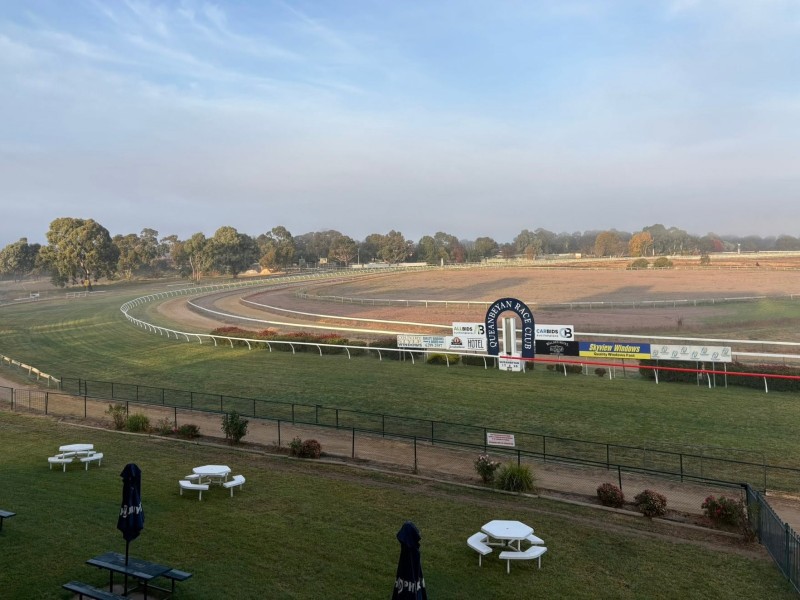
Responding to questions from the NSWTA, Racing NSW said no tenant had been evicted, all existing occupants had been offered renewed leases since it became Crown Land Manager more than two years ago and its objective was to ensure the stables continued to be used by horse trainers while complying with the Crown Lands Management Act.
Racing NSW also maintained that some stable leases had been held by third parties who then sub-let them at additional cost to trainers, a practice it intends to end because it is inconsistent with the purpose of the Crown land arrangements.
Despite obtaining legal advice, the stable owners say their preference remains to resolve the matter through negotiation rather than litigation, with next week’s meeting viewed as the best opportunity yet to break the impasse.
Related Articles
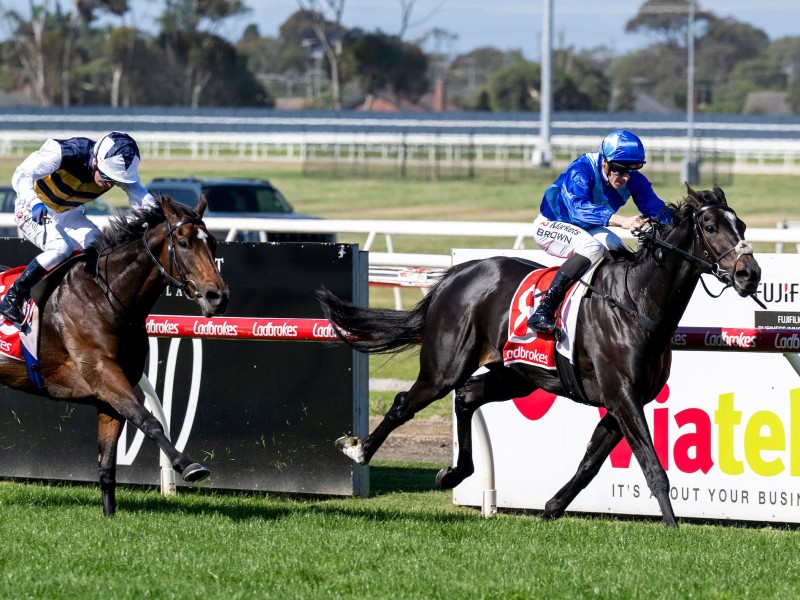
Geelong victory propels import Point Of Law into Melbourne Cup reckoning
Formerly raced by King Charles III, Point Of Law has rocketed to Melbourne Cup favouritism after winning the Geelong Cup at his first Australian start for Ciaron Maher.
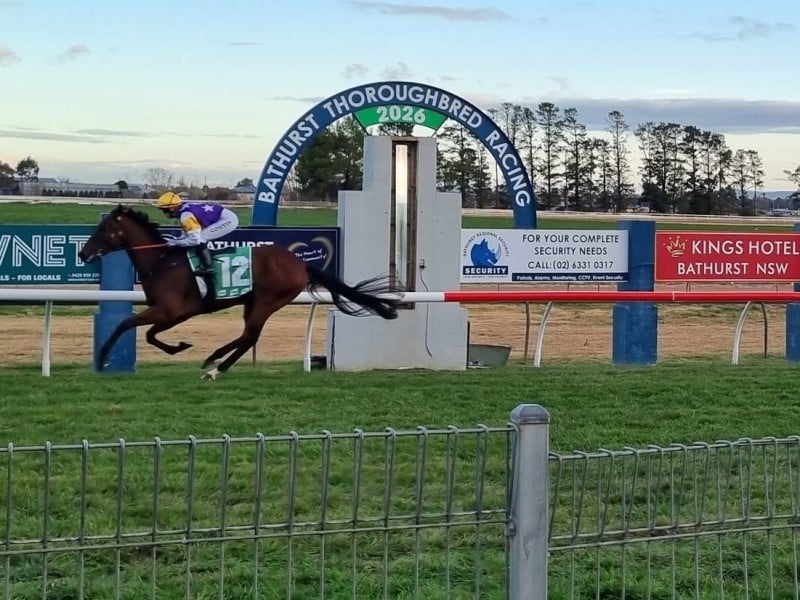
🔒 🔒 Bathurst meetings moved and track proper shut amid safety concerns
Bathurst’s course proper will remain closed until at least early 2027 after a series of falls raised safety concerns, prompting Racing NSW to investigate remedial work on the track’s notorious home turn.
No jockey at fault for Caulfield Cup fall
Racing Victoria stewards have closed their inquiry into the Caulfield Cup fall, finding no jockey at fault after contact between Green Spaces and Kings Valley caused Half Yours to fall near the 300m.
