
Deed of uncertainty – Racing’s funding future under Tasmanian election spotlight
In an election most “mainlanders” perceive as about the building of a stadium and the future of an AFL team, the health of the Tasmanian racing industry is also on the agenda in Saturday’s election in Australia’s southernmost state.
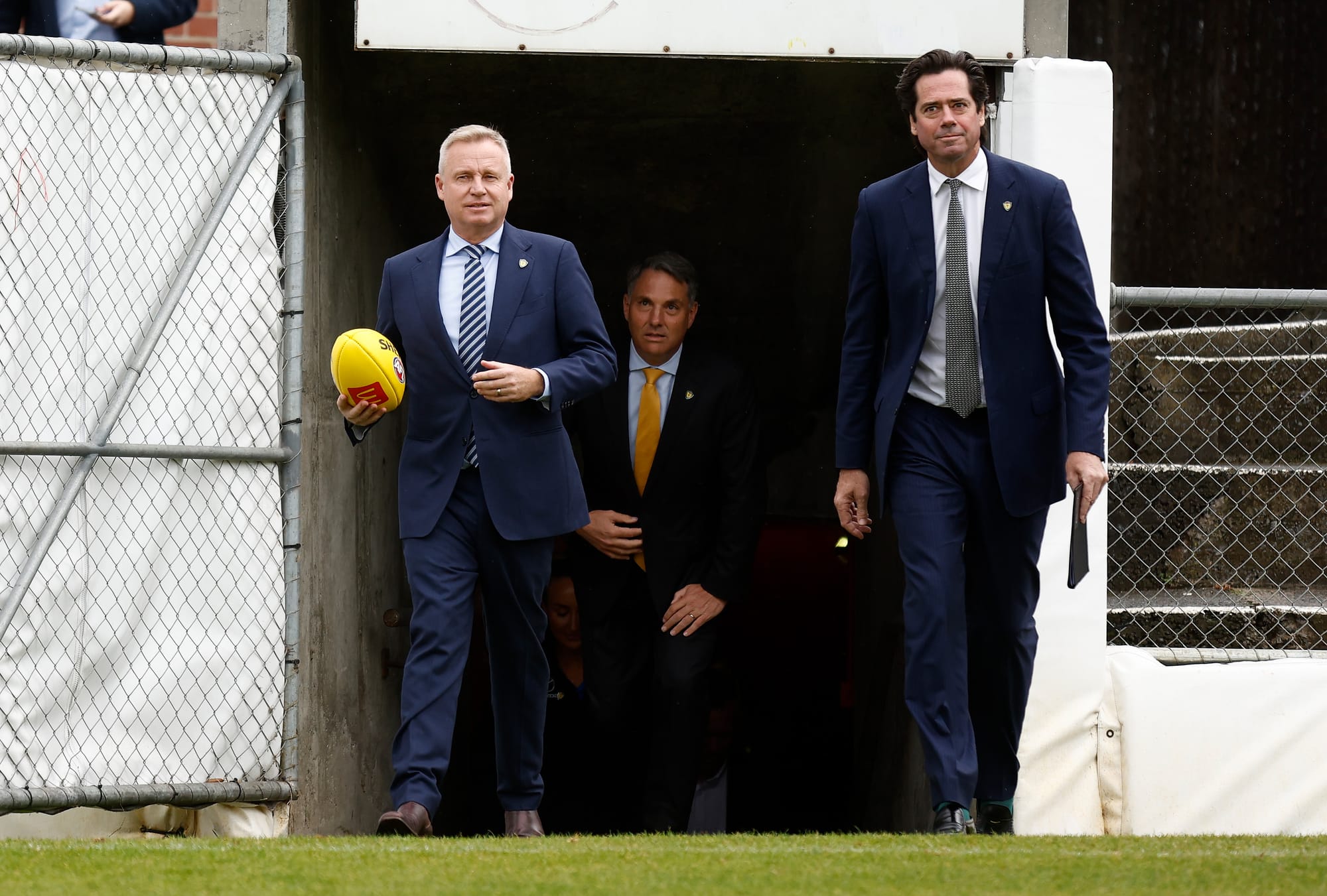
Tasmania’s second state election in the space of 16 months is about much more than the construction of a football stadium on Hobart’s waterfront, but you wouldn’t think so based on national media coverage.
Growing debt, the debacle surrounding the ordering of two new Spirit of Tasmania ferries without having a suitable terminal to house them in, the sale of state assets, health, crime and education will be among the aspects on voters’ minds when they go to the polls in the depth of winter on Saturday.
The stadium debate and the future of an AFL team has been hotly contested, but the fact remains both major parties support its construction, and given the current odds of any other sworn-in government apart from Labor ($1.43) or Liberal ($2.85) is a $21 chance, a state government stadium about-face seems unlikely.
Tasmania’s peculiar Hare-Clark political system, which sees seven candidates voted from each of five lower-house electorates, does cater better for a larger cross-bench representation, and that is why the AFL issue, and significant challenges with the racing industry, are on the agenda.
There are currently 11 crossbench members of the 35 elected lower house members and up until early June, Premier Jeremy Rockliff relied on three of those to keep the Liberal Party in power.
A vote of no confidence brought on by Labor opposition leader Dean Winter prompted the political crisis which led to the calling of a second election in as many years.
It comes at a delicate time for the future of Tasracing’s funding model.
In 2029, a 20-year-deed which has underpinned funding of all three codes of racing is set to expire. Its genesis came from the 2009 sale of the Tasmanian Tote, with the industry having basically sustained itself before that moment.
The deed delivered around $34 million, nearly half of Tasracing’s revenue, in 2023/24.
Significantly, if the new parliament runs its full four-year term – that is a big if – this will be the last election before the expiry of the funding deed.
Why this is significant is that the same crossbench forces which have been anti-stadium, are also aligning to disrupt the renewal of the funding deed, largely because of their opposition to greyhound racing.
A key cohort of independents, led by current MP Kristie Johnston, is campaigning to end what they term as “taxpayer funding” of an industry they contend is falling short of animal welfare expectations and return on investment.
That position is hotly contested by Tasracing, but it highlights a political weak point for the tri-code structure of the industry.
Underlying this is the high likelihood that any new government will have to deal with the crossbench in order to secure power. An alliance with the Greens, which currently hold five lower house seats, is unlikely for either major party, giving the independents even more leverage.
Current Racing Minister Jane Howlett, who has led significant, long-awaited – some may say too long-awaited changes to the racing integrity structure – has committed to working with the industry on extending the deed, but nothing more concrete than that.
She has also been commissioned an internal review, coordinated through new Racing Integrity Commissioner Sean Carroll’s office and conducted by former Ciaron Maher Racing CEO Ben Sellenger, into the challenges which are being faced within all three codes.
Howlett, who has been in charge of the racing portfolio since April 2024 having held it from 2020 until 2022, is seen as a parliamentary ally for racing, but given the political challenges of the industry, she hasn’t been seen as ‘in the trenches’ with those who are fighting for its future.
If the bookmakers are to be believed, Howlett’s racing policies won’t be all that relevant after Saturday. As mentioned, Labor is long odds-on ($1.43) to claim power for the first time in 11 years.
 Bren O’Brien
Upper House MP Luke Edmunds is currently Shadow Racing Minister, but it will be the likely new Premier that the Tasmanian racing industry will be pinning their hopes on.
As a former shadow racing minister, Winter was outspoken about the Liberal government’s racing integrity troubles, and while it is no longer his portfolio, he has still retained a strong profile, supporting the future of all three codes, including greyhounds, and promising a renewal of the funding deed.
He is seen as a “racing man” and has disclosed his interest in several racehorses, chiefly with Hobart-based trainer Jessie Bazan.
In the likelihood of a change of government, the question then comes over the future direction of Tasracing, which sits right in the racing political nexus. Changes in government usually result in changes at board and/or executive level of racing bodies and Tasracing, rightly or wrongly, has its fair share of critics.
Saddled with the burden of operating across three codes, many of the issues Tasracing has confronted are not of its own making, but a new government could look towards new leadership.
The positive aspect that could arise in Tasmania is increased opportunities in the wagering sector. Several corporate bookmakers, unhappy with the current regulatory framework in the Northern Territory, are reportedly interested in establishing bases in Tasmania.
A small population means that racing in Tasmania has not benefited from the surge in Point Of Consumption Tax. An 80 per cent pass-through rate saw $7 million flow to Tasracing in 2023/24, or around 10 per cent of its revenue.
However, a strong, local presence from an ambitious locally based corporate bookmaker could prove a benefit to state government taxation as well as to sponsorship and wagering expertise in the state. That could prove a circuit breaker.
There is also an argument that Tasmania might also benefit from a lower POCT rate than the mainland states as a means of attracting high-volume punters to boost turnover and therefore increase revenue.
There would of course be political risk to encouraging this approach and the likelihood that whoever ends up forming government will need the assistance of independents, many of whom see gambling as a source of ill, may mean that it is a bridge too far.
But with racing being increasingly and unfairly portrayed as a burden on strained state finances, it could be the opportunity to change the narrative and reinvigorate the confidence of those who have invested their livelihoods.
The alternative for any government is the increasing erosion of racing’s political and social licence, with the pressure brought upon the greyhound industry likely to be then focused on harness and thoroughbreds.
Author

Related Articles

Straight Talk – Classic Sale preview: Inglis and the Middle‑Market Test
In this episode, Bren and Tim preview the Inglis Classic sale with Sebastian Hutch, reflect on Magic Millions and Karaka, and examine the strength of the middle market for yearlings.
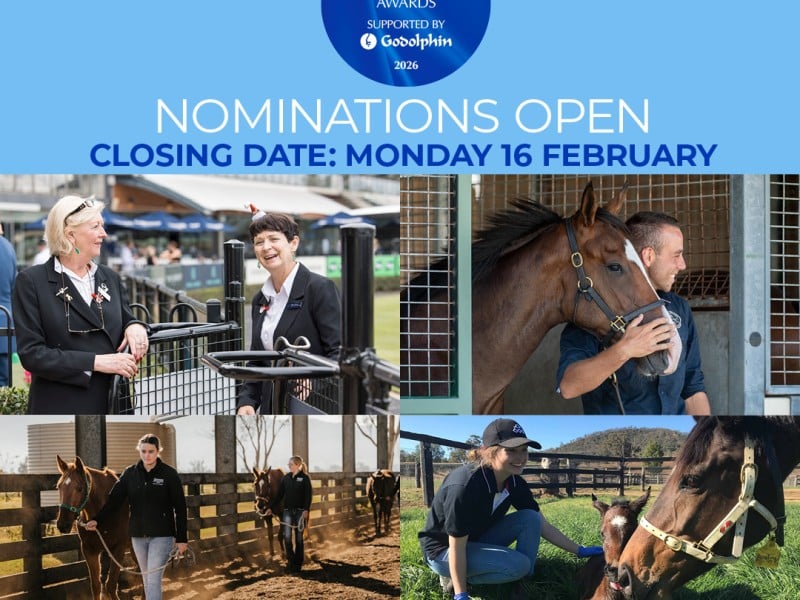
2026 Australian Thoroughbred Industry Employee Awards nominations open
Nominations for the 2026 Australian Thoroughbred Industry Employee Awards (ATIEA) awards are now open, with The Straight is proud to sponsor the Administration and Ancillary Services Award.
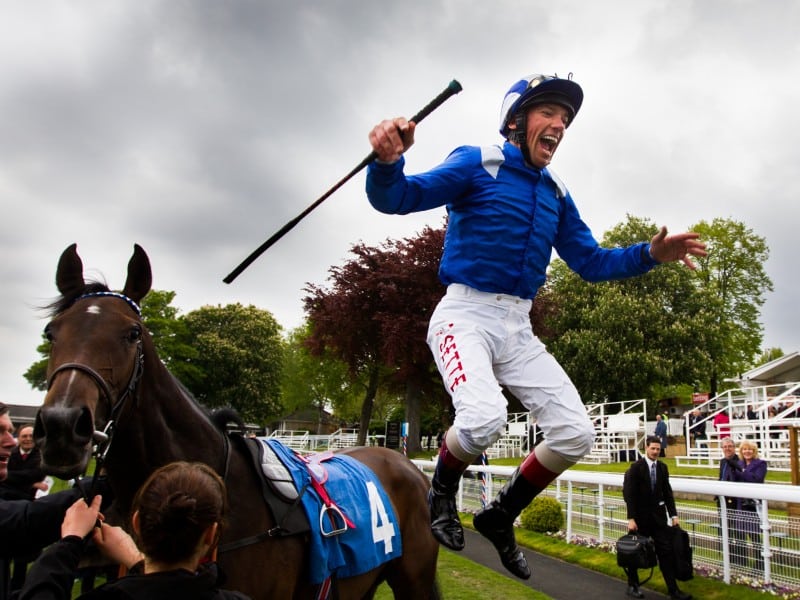
Run The Numbers – A fitting farewell for Frankie
Frankie Dettori brought his 40-year riding career to an end with a Grade 1 success on his final day in the saddle. The most prominent global jockey of the past half-century had elite success in 17 different countries, but famously never in Australia. Run The Numbers digs into his remarkable career.