
‘Deeply inappropriate’ – Serious concerns raised as Racing NSW avoids parliamentary contempt charge
A NSW parliamentary privileges committee has raised serious concerns with what it termed the “deeply inappropriate” conduct of Racing NSW but did not find the regulator had interfered with witnesses or that it had acted in contempt of parliament.
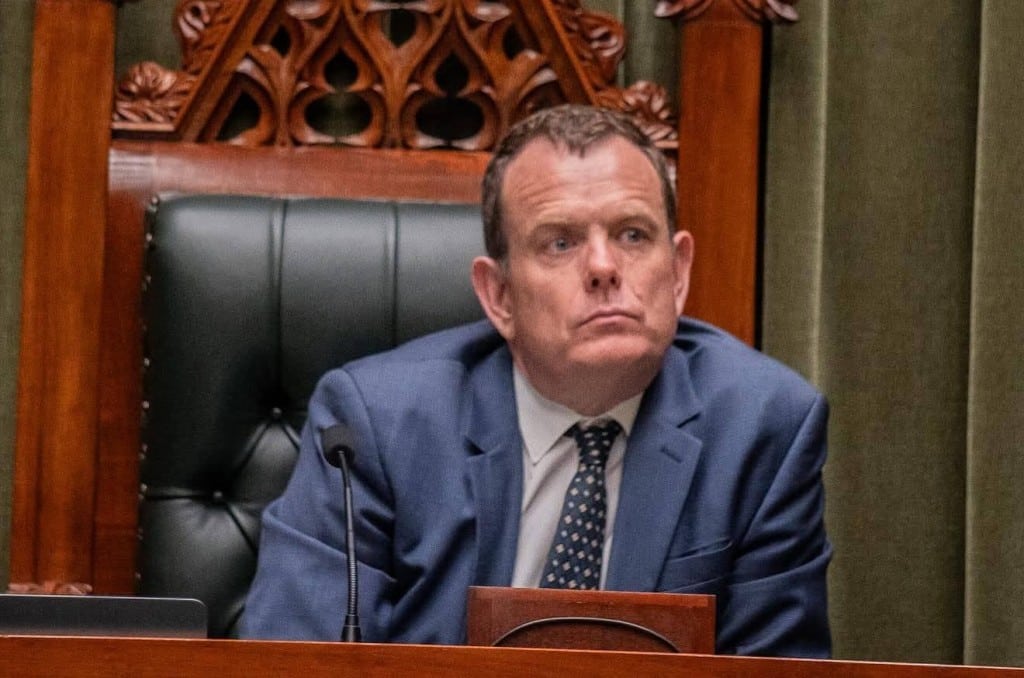
Racing NSW may have escaped an adverse finding in a long-running parliamentary privileges committee inquiry, but it earned a stern rebuke for its actions during the hearing into Rosehill racecourse.
The NSW racing regulator was referred to the privileges committee in September 2024 by a special report from the Rosehill Select Committee, which raised concerns that a contempt of parliament may have taken place.
It was focused on a submission from Racing NSW to the Select Committee, which identified former staff who it believed were engaged in a campaign to make submissions critical of the organisation.
The privileges committee has been investigating the contempt allegations over the past 13 months, receiving correspondence from Racing NSW in the process, and finally delivered its report on Wednesday.
While it did not find Racing NSW’s conduct met the threshold for contempt and did not find proof that it had attempted to coerce witnesses, it was far from glowing in its assessment of its actions.
“While not finding contempt in this instance, this committee is concerned by the conduct of Racing NSW in a number of respects, particularly its deeply personal depictions of third-party individuals,” Labor MP and Committee chair Stephen Lawrence said.
“It considers that it is highly unusual for an organisation to take such steps in respect of former employees and reflects poorly on Racing NSW as an organisation.
“This committee has concerns about the potential for such behaviour, if repeated, to deter potential witnesses from coming forward to any future inquiry for fear of being targeted for adverse treatment.”
Lawrence said the Committee also had concerns that similar information was broadcast on Ray Hadley’s radio program the following day.
“While not making any finding about this, the committee considered it a significant and questionable coincidence,” he said.
Racing NSW told the privileges committee it did not pass any information to Hadley, or anybody involved with his program.
“I take this opportunity to emphasise this committee’s strong view that organisations and individuals must take extra care not to engage in any sort of conduct that may deter or have a ‘chilling effect’ on others from engaging in the parliamentary process,” Lawrence said.
“The committee system depends on witnesses and other inquiry participants coming forward to give evidence free from interference, and this committee will continue to take extremely seriously any attempts by organisations or individuals involved in parliamentary inquiries to distort or influence the free flow of information to a committee.”
The two reasons the Privileges Committee found that the regulator’s actions did not amount to contempt were that it could not be conclusively determined Racing NSW investigated those who made submissions or provided evidence to the Select Committee to uncover their identity .
It was established that Racing NSW did not significantly limit or hamper the Select Committee from carrying out its inquiry.
But the report was unequivocal in its view of the desirability of Racing NSW’s processes, describing them as “deeply inappropriate”.
“The committee holds serious concerns with the conduct of Racing NSW, as revealed or alluded to in its correspondence to the Select Committee and Privileges Committee,” the report’s findings said.
“We note Racing NSW’s arguments that it was simply passing on information that it had received from its stakeholders to the Select Committee to assist it in its inquiry. As a committee, though, we are very concerned at the deeply personal characterisations and depictions of third-party individuals, some of whom we understand did not have anything to do with the inquiry.
“It is highly unusual for an organisation to take such steps against former employees. It may not amount to contempt, but it was deeply inappropriate to provide such detailed adverse allegations to the Select Committee, and it reflects poorly on Racing NSW as an organisation.”
The privileges committee found that such behaviour had the potential to adversely impact the parliamentary process.
“This committee has concerns about the potential for such behaviour if repeated to deter witnesses from coming forward to any future inquiry for fear of being targeted for adverse treatment,” it read.
“It is the committee’s strong view that organisations and individuals must take extra care not to engage in any sort of conduct that may deter or have a ‘chilling effect’ on others from engaging in the parliamentary process.”
The Privileges Committee now considers the matter closed.
Author

Related Articles
🔒 🔒 Racing digital publications get exemptions from new wagering advertising opt-out restrictions
Australia’s racing media sector has secured a carve-out from new wagering advertising restrictions, despite broader reforms designed to give consumers greater control over wagering promotions.
🔒 🔒 ‘The TAB will get sign-off from the codes’ – New Zealand thoroughbred and harness racing administrations likely to merge
New Zealand racing is on the verge of a major overhaul, with details of a proposed unified administration for thoroughbred and harness racing, as well as a new property trust, expected to be unveiled within the next two weeks, according to a leading industry media figure.
Letter to the Editor – Helen Sinclair on Racing for the Regions
Experienced racing administrator Helen Sinclair has written a letter to the editor questioning key aspects of the Racing for the Regions program.
