
‘I’ll keep working until the day I die’ – unless Headley Grange can rewrite the script in Stradbroke
After two decades, Bob Manwaring may have finally found the horse to fund his commitment to a small-scale breeding operation instead of relying on “outside” income to pay the bills.
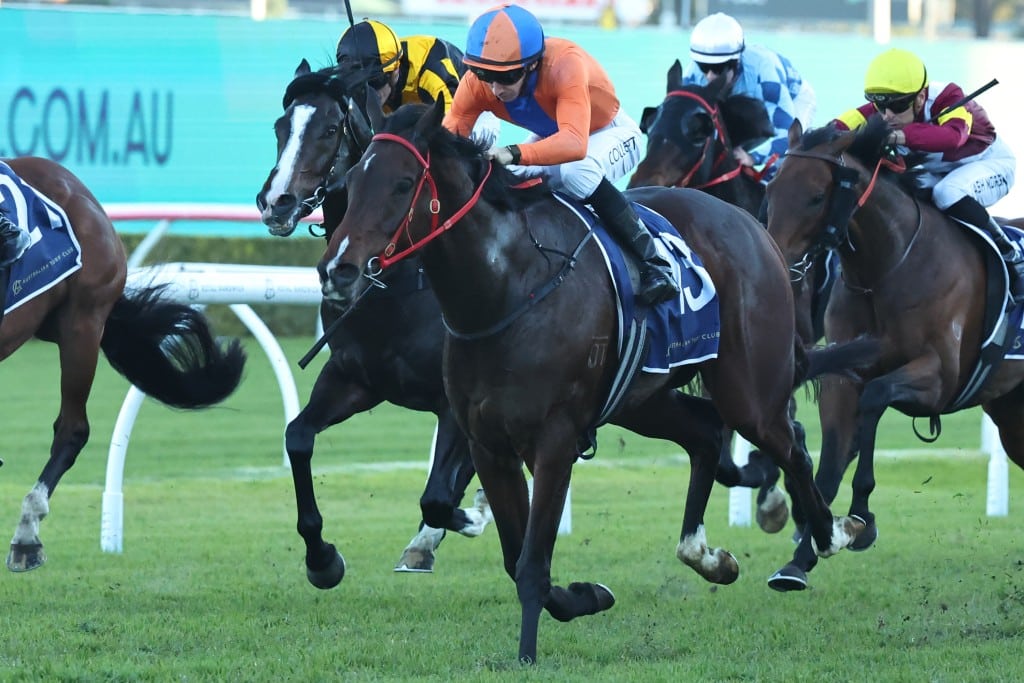
Bob Manwaring has juggled sheep, crops and a small fleet of tip trucks to bankroll an enthusiasm for racing and breeding that had always cost more than it promised to return.
There have been modest ambitions along the way. Some decent horses, including Capital Gain, the winner of the 2017 JJ Atkins, have paid for the average ones.
But Headley Grange has breathed life into a thoroughbred family Manwaring has quietly dabbled with across three generations, ever since he bought foundation mare Go Johemma for $27,500 at a Sydney sale.
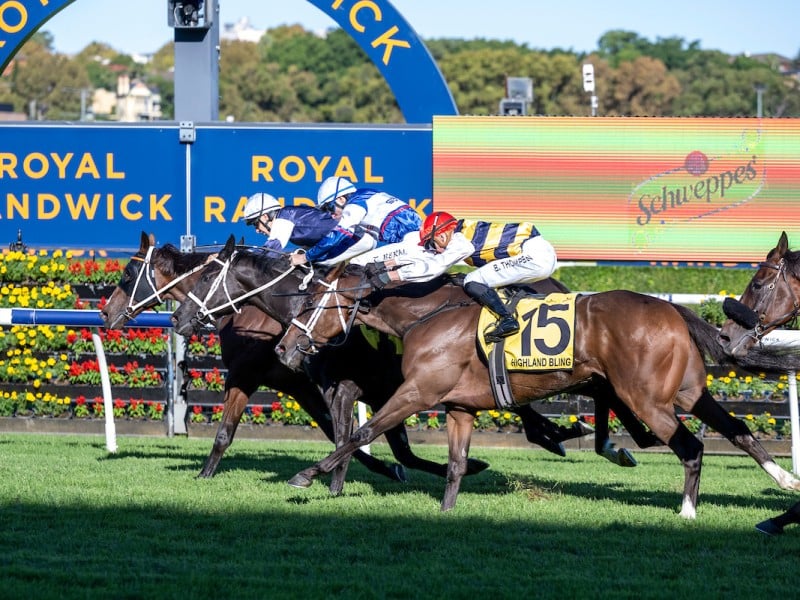
Headley Grange is the favourite for the $3 million Stradbroke Handicap at Eagle Farm, providing a surreal moment for a breeder whose operation sits several postcodes away from the industry’s glossy end.
“The trucks have always supported the horses. The farm wouldn’t have ever been able to support the horses,” Manwaring said of the business that keeps the whole thing afloat.
The 61‑year‑old from Cootamundra, on the southern slopes of NSW, still spends his days toggling between livestock, crops, machinery and transport contracts, all while keeping tabs on a small band of broodmares.
“As soon as the trucks stop working, the farm just can’t handle the expense of the horses, and the farm itself, as well,” he said.
For all the glamour attached to major races, Manwaring’s version of thoroughbred breeding hasn’t changed much since he first dipped a toe in.
He has long since given up on the complexities and nuances of the breeding game, stepping back from the commercial side of the industry, which every season seems to make it more difficult to turn a profit.
But among the feed bills and the eternal puzzle of stretching limited resources a little further, Manwaring likes to back himself and the sires he supports, even if the sales trends are telling him otherwise.
Breeding wasn’t part of any life master plan. It began when another parent from his son’s junior soccer team offered him a broodmare more than 20 years ago.
It was a throwaway moment over a beer that stuck.
“He gave this broodmare by Thatching and I bred a couple of horses out of her that were no good,” he said.
“Once that happened, it got in my blood and that was the end of it then,” he said.
Go Johemma came next, and with her, a turning point. Manwaring liked the mare, liked the family, and took a chance. That decision became the spine of a bloodline that has quietly kept giving.
Back then, any winner felt like a windfall.
“When old Go Johemma was running around, I was pretty happy to get a win at the Gold Coast,” he said.
“I thought, ‘This might be the best horse I’ll ever have’.”
But Manwaring kept breeding, and from a small band of mares along came Capital Gain before Headley Grange arrived as the second foal of Hard Go Jo, a daughter of Go Johemma.
Hard Go Jo died two years ago from a colic attack with a Churchill foal at foot.
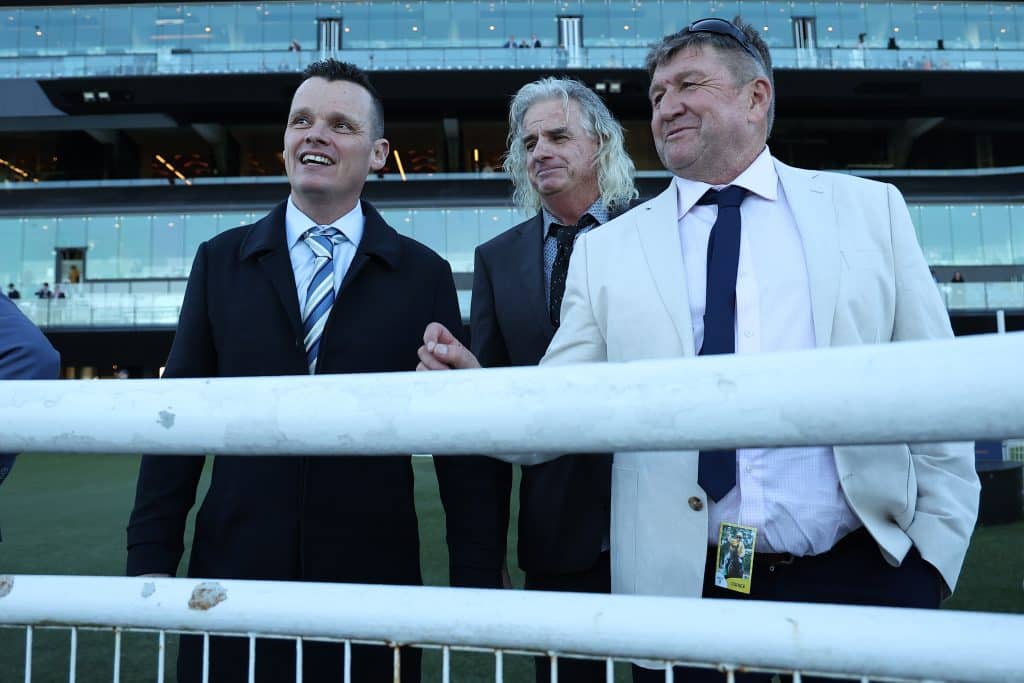
Headley Grange was barely out of the provincial ranks but has since blossomed into a topline sprinter under Joe Pride and a rightful top pick for the Stradbroke after winning the Group 1 Kingsford Smith Cup.
“I wish I had the mare still because she’d be in foal with something special and I probably wouldn’t have to worry about working again,” he said.
Every breeder knows the feeling. Every horse carries a story. Some never make it. Some disappoint. A rare few repay years of patience. Even then, the ledger rarely tilts in your favour.
“It’s going good now but the prize money is spent quicker than you think when you’ve got three or four slow ones dragging along,” he said.
Like many small breeders, he is forever balancing costs against hope. Service fees, agistment, vet bills, transport – they arrive with the reliability of sunrise.
The winners seldom cover all of them, but Headley Grange has eased the burden, banking almost $2.5 million in 12 wins from 28 starts.
Manwaring says work may become optional if Headley Grange, who rates alongside the Group 1 Lightning Stakes winner Skybird as the best of Exosphere’s progeny, can win Queensland’s most prestigious race.
Then again, with $150,000 in service fees to pay this year, retirement is always a problematic prospect.
“I’ll keep working to the day I die, probably. I get only three or four mares in foal every year. That’s all I can afford,” Manwaring says.
“I wouldn’t say that a horse like Headley Grange has changed my life because I just keep doing the same thing that I’ve been doing.
“But he has made it a little bit easier.”
Related Articles
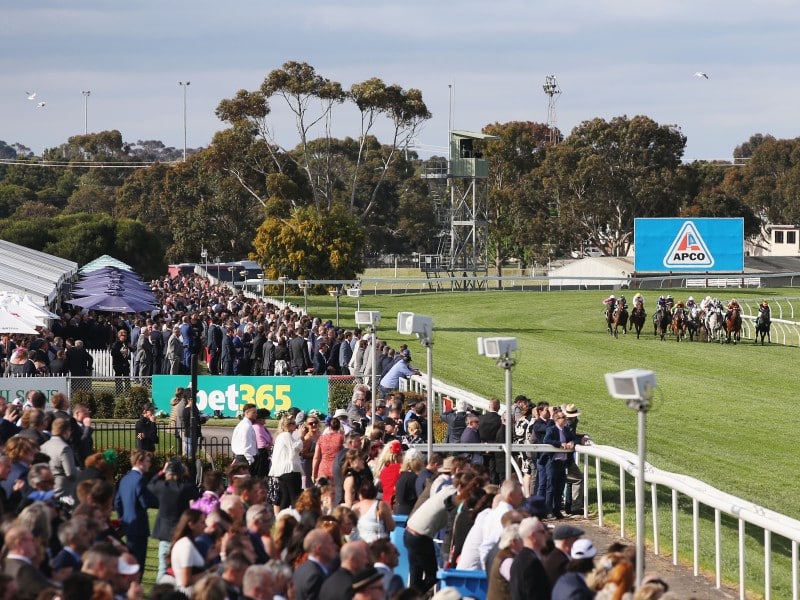
Premium venues to benefit as RV reshapes country racing calendar
Racing Victoria will overhaul the classification of country TAB meetings from next season, with six key venues to receive premium status as part of a strategy to strengthen wagering and engagement.
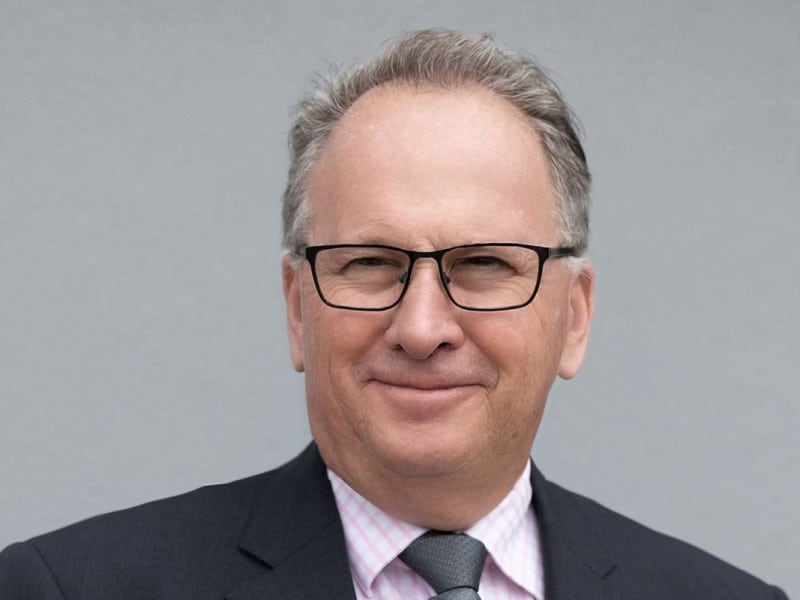
Russell Warwick to step down as NZTR chair
Upheaval continues in the upper echelons of New Zealand racing, with confirmation that Russell Warwick will step down as chair of New Zealand Thoroughbred Racing in the coming months.
Australian Classics in Asian Pattern Committee’s line of fire, but no firm decisions imminent
The Asian Pattern Committee will hold a virtual meeting with delegates on Thursday, with Australia’s dysfunctional black-type calendar high on the agenda. However, stakeholders hoping for an immediate shake-up may be disappointed, write Tim Rowe and Warwick Barr.
