
Illegal betting market costing Australian racing industry $135 million a year
A comprehensive report into the growth of the illegal offshore gambling market has revealed that 14 per cent of betting on racing by Australians is occurring with unregulated and illegal overseas-based wagering companies.
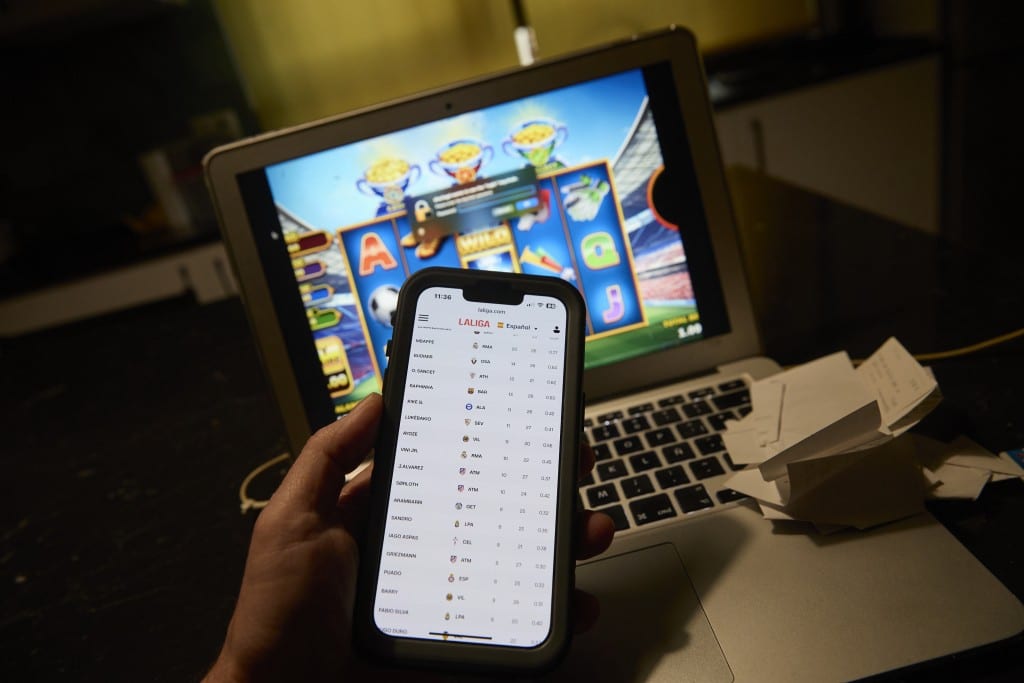
The Australian racing industry is losing up to $135 million in revenue each year because of offshore illegal gambling, with an estimate that one in every seven dollars spent on Australian racing is via an unregulated operator.
Research conducted by H2 Gambling Capital on behalf of Responsible Wagering Australia, a representative group for most of Australia’s leading licensed corporate bookmakers, has established the illegal offshore gambling market has reached $3.9 billion a year, and is projected to surpass $5 billion by 2029.
Under Australian law, unregistered overseas operators can not offer gambling services to Australian customers.
However, while it is illegal to offer these services, Australian customers can access what the report calls “a rapidly growing and increasingly sophisticated illegal offshore market” via third-party VPNs and the like.
While some of these operators are regulated in overseas markets, others are set up in “grey” pre-regulated areas where it has not yet been specifically legalised.
Some of these operators are licensed in small nations, such as the Caribbean island of Curaçao.
They offer sportsbook, casino, and other gaming products, with deposits accepted in traditional fiat currencies and cryptocurrency.
RWA, whose members include bet365, Betfair, PointsBet, Sportsbet, Picklebet and Unibet, commissioned the report to highlight the impact illegal betting is having on Australian consumers, governments, sports and racing authorities, and, of course, the operations of the companies it represents.
The survey of more than 4000 consumers revealed 60 per cent of respondents were being exposed to offshore gambling advertising, 51 per cent of Australian online players were unaware that online casino and gaming were illegal and 44 per cent of people couldn’t distinguish between licensed and unlicensed operators.
The report is the most detailed analysis of the black market’s impact on Australian gambling to date.
It identified the $3.9 billion market has more than doubled since 2019, when it was estimated to be worth $1.9 billion, and was growing two-and-a-half times faster than the regulated market.
The report says that the illegal sector now represents 36 per cent of Australia’s gambling market, with more than $2.7 billion in lost taxes and product fees expected over the next five years.
With 14 per cent of bets on racing placed through illegal overseas operators, the annual impact on industry funding, given none of these bodies pay specific race field fees or point-of-consumption tax, is between $110 million and $135 million.
This compounds the already challenging wagering environment for racing bodies.
“Falling onshore betting turnover is already placing pressure on race clubs and authorities, many of which have reported declining revenue and are now diversifying into non-racing events and property development to stay viable,” the report says.
“As more customers migrate offshore, this trend is expected to worsen.”
The report estimated that one in five bets on sport in Australia is happening via offshore betting.
The other major impact is on integrity, because there is no local oversight of betting transactions in these overseas markets.
“Organisations such as the International Federation of Horseracing Authorities (IFHA) share the sentiment that this lack of transparency undermines public confidence in sports outcomes and weakens integrity systems,” the report says.
“On average, the Australian-licensed online betting industry provides approximately 700 integrity reports to sport and racing.”
One in five bettors accessing overseas sites were looking to access live in-play online betting, which is illegal in Australia, while 48 per cent went looking for better offers and 44 per cent better promotions.
Beyond that, there is also major concerns raised about consumer protections and responsible gambling practices.
Extraordinarily, half of the people surveyed who bet offshore, were registered with BetStop, the national self-exclusion register, while 30 per cent of people are betting with credit, which has been illegal in the onshore Australian market since mid-2024.
“An analysis of offshore websites and H2 survey data shows the vast majority of players on illegal offshore sites have not been offered a safer gambling tool or observed safer gambling messages,” the report said.
It also highlights the limited legal recourse players had to deal with withheld winnings, frozen accounts of fraud, and shows the increased risk of money laundering and terrorism funding activity.
The H2 Report identified 11 recommendations, the most significant of which was to establish a National Illegal Gambling Blacklist Platform (NIGBP).
That would centralise all illegal gambling domains, mirror sites, and related app identifiers in one database managed by the Australian Communications and Media Authority.
It was also recommended that the federal government empower the eSafety Commissioner to issue binding removal, link-deletion, app-removal, and ISP-blocking notices for illegal operators.
Other recommendations included that Australia maintains competitive tax rates aligned with international best practice, banks and payment service providers be required to block transactions linked to offshore operators and the greater involvement of AUSTRAC in working with crypto exchanges to identify gambling-linked wallets.
The report also recommended better integration between BetStop and payment monitoring systems, the establishment of a national certification scheme for wagering companies, greater consumer awareness campaigns, the establishment of verification for gambling companies via search engines, social media platforms and other advertising, the prohibition of the supply of official sports and racing data to operators not licensed in Australia and greater bilateral enforcement with key offshore jurisdictions.
RWA chief executive Kai Cantwell said it was crucial that the online market, which it lobbies for, remains in a competitive position against unlicensed and illegal offshore operators.
“Ensuring Australia’s onshore market stays competitive is essential, because if people can’t find the products or prices they want here, they don’t stop gambling, they just go offshore,” he said.
“Unlike licensed operators, who use data to identify and support at-risk customers, illegal sites use it to target vulnerable Australians and minors with high-risk offers and exaggerated bonuses.
“A strong, consistent national framework will protect Australians, preserve funding for sport and racing, and ensure initiatives like BetStop aren’t undermined by unregulated offshore sites.”
Author

Related Articles

UK betting checks may offer a window to Australia’s future
Britain’s latest gambling reforms, which include affordability checks, have the potential to resonate with governments and regulators in Australia, writes Warwick Barr.

Each-way Abetz – Tassie treasurer forecasts wagering law changes as betr’s move makes waves
Treasurer Eric Abetz has revealed Tasmania’s gaming laws will need updating after online bookmaker betr switched from a Northern Territory licence, a move the government is hailing as a vote of confidence in the state’s economy.

ACMA warns MMA fighter in first crackdown on gambling influencers
A UFC fighter has become the first influencer targeted by a federal regulator for promoting an illegal offshore gambling service, as tougher restrictions on the promotion of gambling loom.
