
‘I’m not here to hold the bridle’ – A year in, Kiwi racing boss Ballesty on his plans for New Zealand’s thoroughbred industry
After 12 months in the role, New Zealand Thoroughbred Racing’s chief executive Matt Ballesty is attempting to reposition the national industry for long-term sustainability.
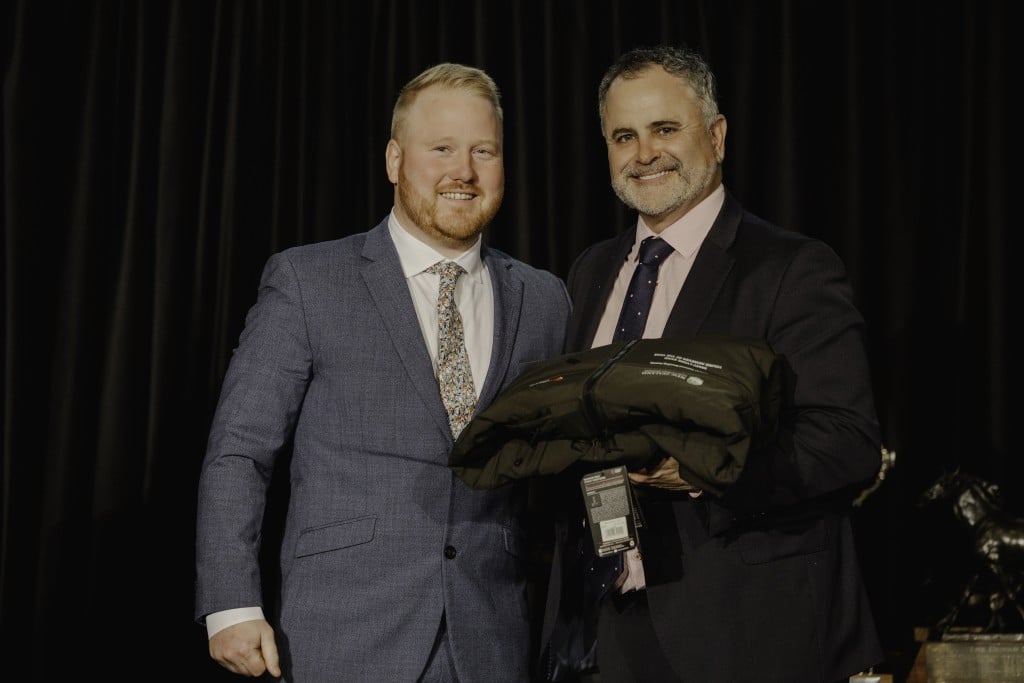
Matt Ballesty knew when he took the job as chief executive of New Zealand Thoroughbred Racing that the role would demand change rather than caretaking.
“It’s never a dull moment,” Ballesty says of his first 12 months in the position, reflecting on a career that has taken him from Sydney to Macau and Canada before crossing the Tasman.
The Sydney-born executive, a self-described casino guy who now leads New Zealand’s national thoroughbred body, says he arrived with a mandate to reshape an industry that has spent much of the past decade confronting declining infrastructure, fractured stakeholder confidence, and the lingering shadow of reform reports demanding change.
“I’m not here to hold the bridle and make sure everything’s OK (as it is),” Ballesty says.
“I’m here, with the board’s direction and support, to make significant changes and test the status quo and make the bold decisions that need to be made.
“But we’ve got to build trust, we’ve got to earn respect (but) it would be good for the industry to now give this team a chance to add some professionalism and quality to the decisions that are made.”
The scale of that challenge is evident across almost every part of the New Zealand racing ecosystem, from racetrack infrastructure to wagering economics, ownership engagement and the delicate balance between tradition and financial sustainability.
Ballesty describes the moment not as a gradual adjustment but as something more fundamental.
Asked if it is a revolution or evolution, Ballesty is adamant: “I would say revolution.
“We’re in a year of transformation, and me coming into the role wasn’t going to be about just keeping the status quo going.
“I was brought in for change and agitation to move us in a direction that’s not the same as what it’s been.
“We need to make sure that the investment that has been made into New Zealand sets us up for the years ahead.”
Yet before any transformation can take hold, the industry must rebuild confidence after years of debate about its direction.
“I think confidence and positivity all need to be rowing in the same direction,” Ballesty says.
“People can see change and support change and look to the future, not to the past.”
Like most executives, Ballesty will never be able to please everyone. There are divided opinions within the New Zealand industry about the regulator’s ongoing performance and its vision for the future.
Adding a layer of uncertainty and a sense of urgency to the landscape is a crucial milestone in Entain’s 25-year deal to operate the New Zealand TAB.
Under the terms of the arrangement, including the ongoing profit share, Entain has guaranteed to provide TAB NZ with $NZ1 billion in funding for the first five years. That is due to expire in 2028.
That year is widely seen inside New Zealand racing as the first real stress test of the Entain partnership, because it marks the point when the guaranteed funding safety net disappears.
Those guarantees allowed racing administrators to increase prize money, launch new events such as the NZB Kiwi, and invest in marketing and infrastructure, confident that the funding floor was locked in regardless of betting performance.
Once the deal moves past 2028, however, returns will depend far more directly on wagering growth, meaning industry income will fluctuate with betting turnover, product strength and Entain’s commercial performance.
There is some anxiety about what New Zealand racing will look like beyond that point and Ballesty says the messaging about NZTR’s objectives will be key to instilling confidence within the industry.
Communication, he believes, has been – and remains – one of racing’s persistent weaknesses.
“One of our biggest challenges is communicating to people and making them feel comfortable that things are happening,” he says.
“It’s such a wide and varied group of people. If things do go wrong, which they do in life and business, they seem to need somebody to hang out and I think it’s been us.
“But we need to do a better job of just balancing that perception.”
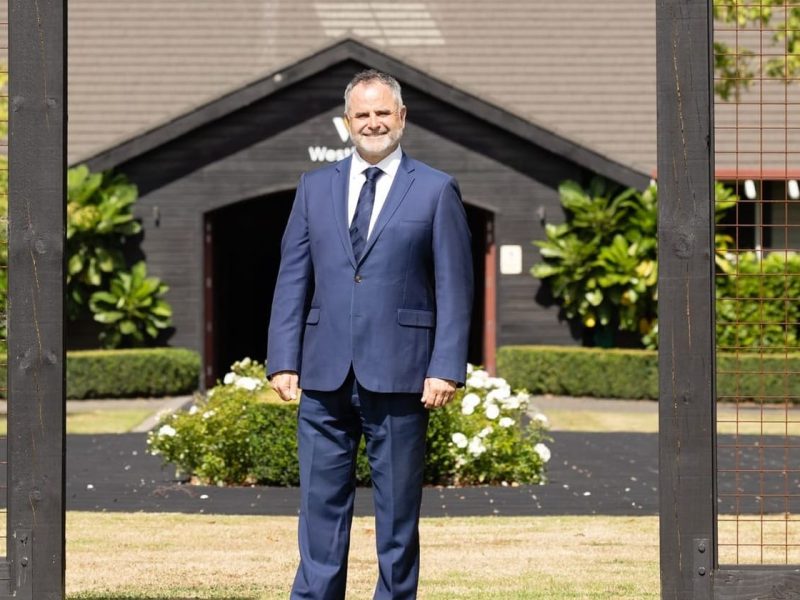
Ballesty says that the awareness issue is compounded by the fact that racing’s stakeholders – clubs, trainers, breeders and punters – often interpret discussions about reform as final decisions.
An example he points to is the speculation that NZTR will increase the levy imposed on owners of horses departing the country to boost revenue and support the local racing industry.
Opponents of any such plan argue that a significant increase in export fees will make it harder to sell horses to overseas jurisdictions.
“An idea is just an idea until it’s not an idea but in our industry it is fact straight away,” Ballesty says.
“This (a levy increase) is a great example ‘I’ve heard this, I’ve heard that’.
“It’s something that hasn’t even gone to our board. It will be reviewed amongst a whole bunch of other things and we’ll see if it is something we need to address or not.”
That environment has forced the organisation to tread carefully in its messaging.
“Sometimes it feels like you can’t say much at all or you’re being misinterpreted,” he says.
RATIONALISATION
Despite that caution, the most sensitive reform topic remains racetrack rationalisation – a subject that has lingered since the landmark Messara report nearly a decade ago recommended reducing the number of venues across the country.
New Zealand currently has around 35 racetracks, down from more than 50 historically, but Ballesty accepts further consolidation is inevitable.
“As a broad acknowledgement, there’s just not (enough) money to sustain every racecourse,” he says.
“We do need to define what racecourses are – whether they’re a metropolitan racing surface or a provincial feeder or a community engagement venue.”
To guide that process, NZTR has launched a detailed infrastructure review designed to shift debate away from sentiment and towards what Ballesty describes as measurable analysis.
“We move away from emotion and we move away from people’s opinions and we rely on data and analysis to help lead informed decisions, data-led decisions,” he says.
“That’s not to say everything’s to do with data … we’re in a business that has history and that needs to be recognised.”
An infrastructure challenge goes beyond simply closing venues; it is also about creating modern racing hubs capable of delivering reliable surfaces, strong wagering outcomes and high-quality race meetings.
At present, Ballesty believes New Zealand has only one genuine metropolitan-standard track – Ellerslie.
The ambition, however, is to build a broader national network capable of supporting elite racing and attracting international participation.
“We’ve got Ellerslie, but we need four Ellerslies to be successful in the longer term,” he says.
Plans are already emerging to build that structure.
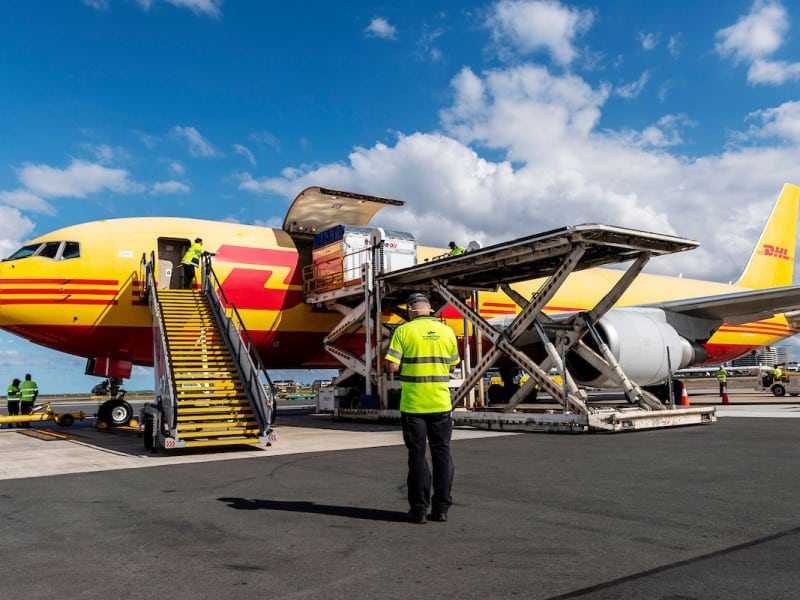
A new greenfield track in Hawke’s Bay is scheduled to open in 2029, while an ambitious consolidation project in the Waikato region would combine several existing venues into a state-of-the-art racing and training centre.
“All those things come at a cost … and funding is a big issue,” Ballesty says.
Unlocking value may require difficult decisions about racing assets that no longer serve a viable sporting purpose.
“There are some assets within our industry that are no longer allocated for racing and they present an opportunity,” he says.
“If repositioned and redeveloped they could actually unlock some value that could fund some of the bigger strategic plans.”
It’s a conversation that inevitably carries political and emotional weight.
“It’s sensitive, but it’s also just the reality of changing times.”
WAGERING
While infrastructure reform dominates a long-term agenda, Ballesty believes the industry’s commercial future will ultimately depend on the quality of its racing product.
Wagering will always be the primary financial engine of the sport, and improving betting turnover begins with delivering races that punters trust and enjoy.
“You can’t just have good wagering outcomes, you’ve got to have a really good product that people believe in.”
That means reliable tracks, competitive fields and a racing calendar capable of capturing international attention.
Recent initiatives, such as Champions Day, designed to elevate the profile of New Zealand’s top races, have already begun to reshape that narrative.
Global wagering conglomerate Entain’s entry into New Zealand has been a game-changer for the industry, helping create new races such as the NZB Kiwi and lifting the profile of existing features.
NZTR’s productive relationship with Entain is viewed as crucial to realise the value of the long-term partnership for both the racing industry and the wagering giant.

Ballesty’s charter is to build on the momentum of prize money increases from Entain’s arrival without becoming too involved in the machinations of a 25-year partnership with the TAB.
“Our job at NZTR is to focus on really good product and racing outcomes,” he said.
“If we get our tracks right and our racing programs and stakes levels and funding right, then that will bring about really good wagering outcomes.
“That’s where we can make a difference. But really it’s over to Entain to turn that into really great wagering outcomes.”
That hasn’t all been smooth sailing. Ongoing issues with tracks have caused frustrations, while Australian wagering engagement with the recent NZB Kiwi was impacted by a delay which led to Australian race broadcaster Sky Racing being unable to broadcast the race.
Separately, NZTR has also invested heavily in marketing expertise, recruiting international experience to reshape fan engagement strategies.
“We’re talking about people who have done it before and know what to do,” he says.
“I’m a casino guy, but I understand what it is to focus on customer engagement.”
OWNERSHIP
Part of that strategy is rebuilding the base that sustains the sport’s grassroots.
Ownership numbers have been under pressure in recent years, but Ballesty sees the matter as an opportunity rather than a crisis.
He wants lower-cost syndicate ownership models, popular in Australia and internationally, to play a key role in building a pathway that begins with casual interest and leads to deeper engagement with the sport.
“You watch it, you’re interested, you go from interest to punting,” he says.
“From punting, you want to own.”
Creating that engagement also requires racing to compete with other entertainment industries for attention, particularly among younger audiences.
NZTR’s Champions Day weekend experimented with cross-sport promotions linking racing with rugby league, rugby union and football to broaden its appeal.
Despite the challenges, Ballesty insists the industry’s future depends on incremental improvement rather than dramatic overnight change.
“How do you achieve the 10 per cent?” he asks rhetorically. “By looking at what you do currently and saying, how could I be doing this better?”
For Ballesty, success will ultimately be measured not in individual projects but in whether the entire national industry moves forward together.
“Successful racing in New Zealand is when the whole tide rises,” he says.
“From the bottom of the South Island to the top of the North Island.”
It is a simple vision, but delivering it will require the revolution Ballesty believes the sport has already begun.
Related Articles
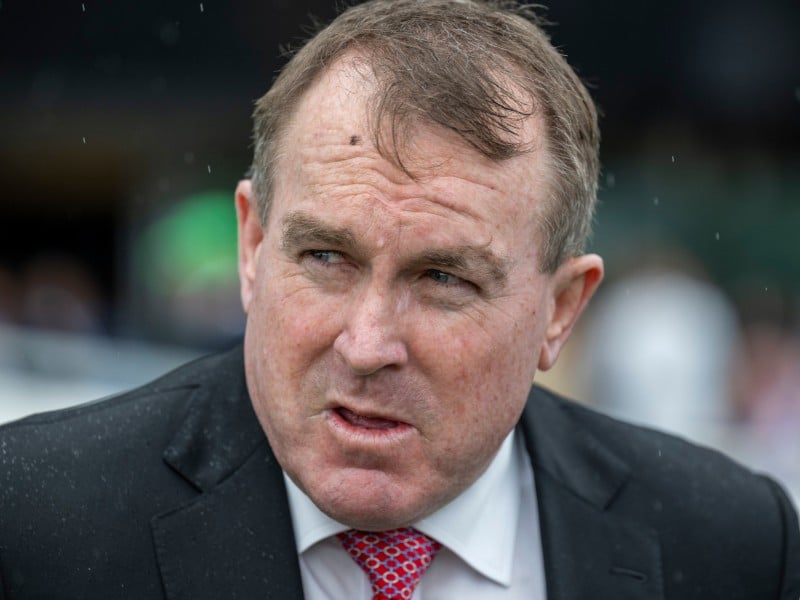
John O’Shea vows to fight four-month disqualification
John O’Shea faces a four-month disqualification on the eve of one of the busiest times of year for Sydney racing, after Racing NSW stewards took a dim view of a “robust conversation” with two vets after one of his horses was scratched.
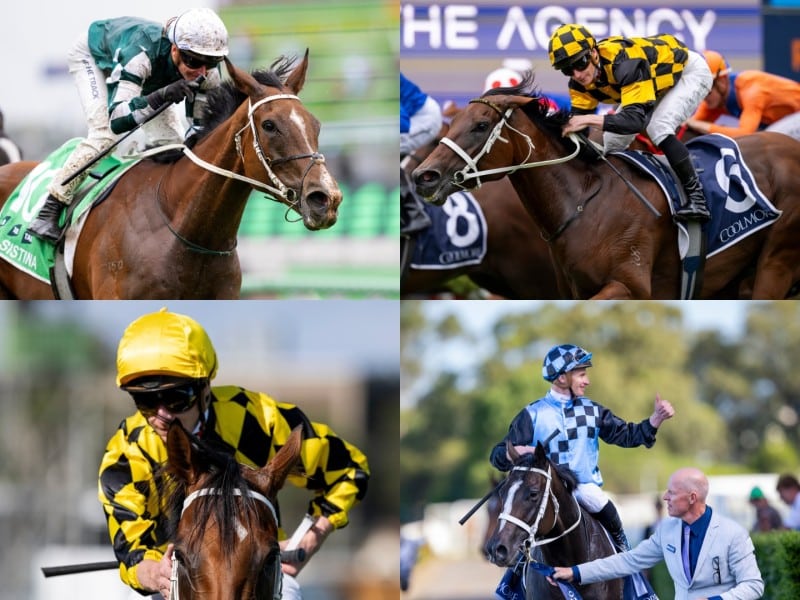
Run The Numbers – James McDonald’s path to 128
With James McDonald poised to surpass Damien Oliver’s Australasian record of 129 Group 1 wins as a jockey, Run The Numbers has had a look at all the numbers that add up to this incredible achievement.
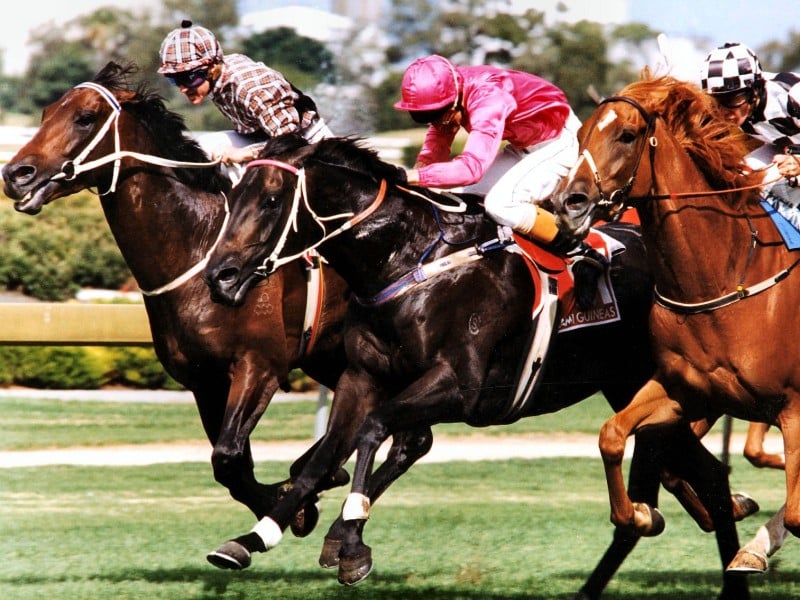
Three champions, one frame – Steve Hart recalls an iconic Rosehill Guineas moment
After four decades capturing racing’s defining moments, including the 1996 Rosehill Guineas finish, through a camera lens, Steve Hart has stepped back into the jockey management arena, bringing hard-earned industry insight to a role he helped pioneer.