
It’s Go time as NZ investors aim to match strides with racing powerhouse
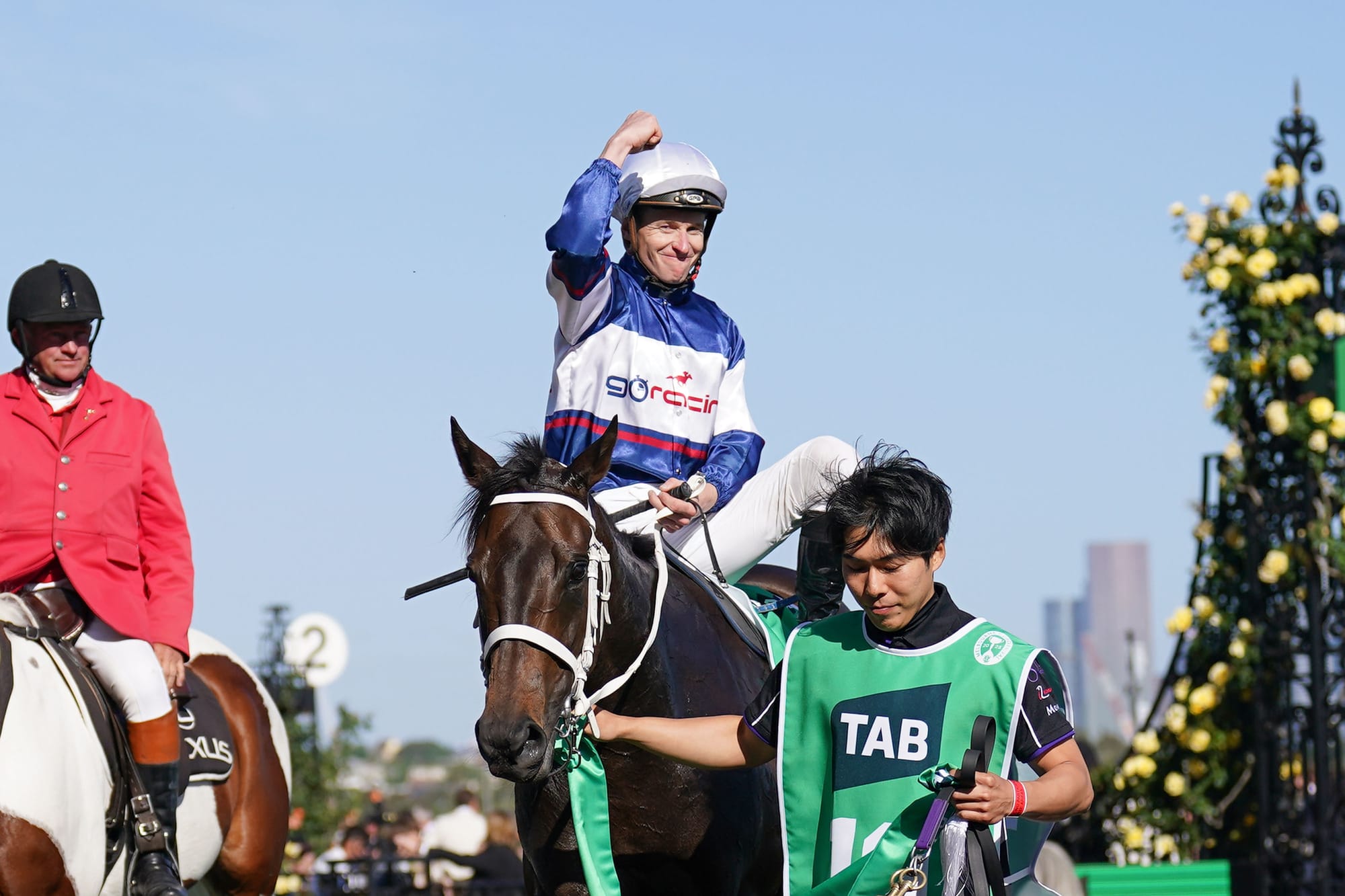
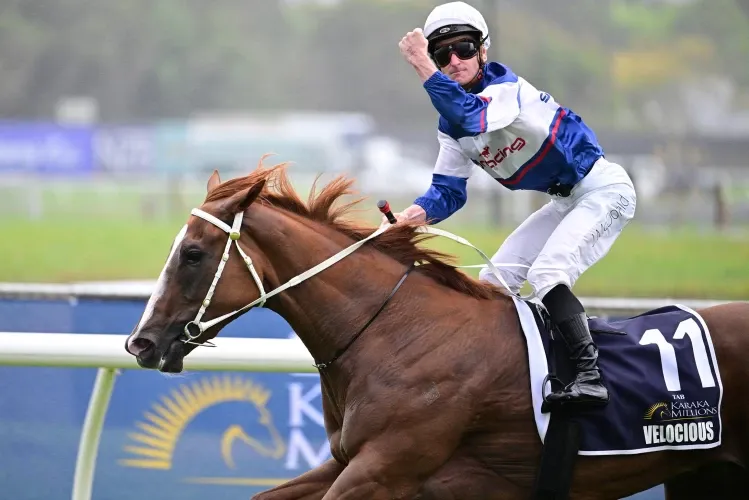
As Albert Bosma, director of Kiwi syndicator Go Racing, watched his filly Velocious win the Karaka Millions 2YO a fortnight ago, it felt like a subtle changing of the guard.
For the first time in seven years, the race wasn’t won by Te Akau Racing, with the well-named Velocious demoting New Zealand’s biggest racing string to second with its filly Damask Rose.
For Bosma, who won the race in 2013 with Ruud Awakening, it was a satisfying victory. But it was also a victory that, in his opinion, could provide a window into what is to come in the wake of New Zealand racing’s vastly improved outlook.
“Over the last six or seven years, because prize money has been so low, there’s been a certain lack of investment in New Zealand yearlings,” Bosma told The Straight.
“Te Akau, being such a big buyer, have had the opportunity to win this race for so many years, and now, with the changes that are happening, I think you’ll find that it will get shared among a lot more people and it will be a lot harder for one stable to be so dominant.”
Te Akau’s dominance in New Zealand isn’t just confined to the Karaka Millions, or even the racetrack. David Ellis’s outfit was, for the 19th consecutive time, the leading buyer at the New Zealand Bloodstock National Yearling Sale.
Go Racing, with 10 yearlings purchased to the tune of $NZ1.585 million, was eighth overall. That gap is still very large between them.
“We’ve traditionally concentrated on middle-distance horses, those mile-plus horses, but last year, when all the changes began to be mooted and we could see what was happening in New Zealand racing, we decided to buy three yearlings to try to get into the Karaka Millions,” Bosma says.
“It was the first time we’d done that in many years, and Velocious was one of those yearlings. It was nice to pull it off.”
But, more importantly, with her win came affirmation that Go Racing had made the right call to invest more heavily in its home market.
The syndicator has been in operation since 2003, but with New Zealand racing in such a bad way until the recent alliance between TAB NZ and betting giant Entain, Bosma had bought the bulk of his horses for Australia.
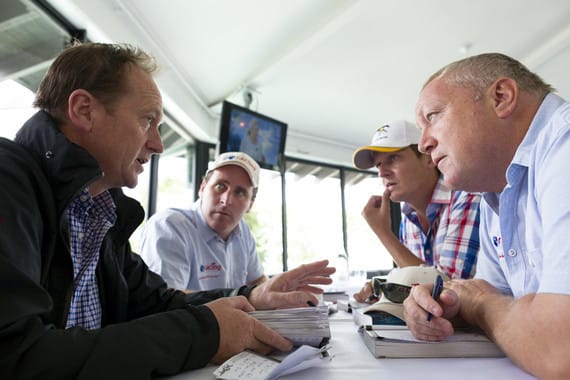
“We’ve got towards 80 horses under syndication, and well over half of those are in Australia,” Bosma says. “Our numbers in New Zealand had been falling away because of prize money, but for the first time in a few years, we bought more yearlings this year for New Zealand than for Australia.”
Go Racing bought two yearlings on the Gold Coast in January, with another 10 picked up at Karaka. Excluding these 12, it has 34 horses in work in New Zealand, 43 in Australia and two in Ireland.
Bosma says that while he was very active at Karaka, buying more for his home market than he has in a long time, it may take a while for the resurgence in the Kiwi industry to fully filter through.
“If you were around the grounds at Karaka, you saw that it was the same domestic buyers out again. There weren’t many new people, or trainers that aren’t usually there,” he says.
“I think it’s going to take a cycle of maybe another 12 months of increased prize money to give new people a little bit of confidence to step out and start buying more. It could take a couple of years to fully kick in, but I’m hopeful that it will happen and that it will be permanent.”
If Bosma didn’t notice many new faces at Karaka, he may have detected the money.
The Book 1 average was its highest ever, while the overall spend on Book 1 was its highest since 2018.
By the close of trade overall (with figures adjusted), the Australian spend was down on 2023 by a tick over $800,000. It was tempered by the fact that domestic investment across the entire sale had leaped over $7 million on 43 more horses bought.
“Traditionally, more than 50 per cent of the yearlings we’d buy were for Australia,” Bosma says. “But this year, of the 12 we’ve bought so far, seven are for New Zealand and five for Australia. So while I don’t think we’ll be lowering our numbers for Australia, we’ll certainly be increasing our numbers for New Zealand.”
Go Racing was one of the 200 individual buyers at Karaka, and that’s a figure that is up on the 163 of last year. But the locals weren’t buying at the top; 16 of the 19 top-priced horses went the way of internationals (including Australians).
“Our numbers in New Zealand had been falling away because of prize money, but for the first time in a few years, we bought more yearlings this year for New Zealand than for Australia” – Go Racing’s Albert Bosma
Nevertheless, the local investment is a leap forward for the New Zealand industry, and Bosma says that racing has maybe five years to make the most of Entain’s enormous investment.
“It is now up to New Zealand trainers and owners, and the racing boards essentially, to embrace this investment because in five years’ time, I’m sure Entain will look at it and ask if the investment was worthwhile,” he says.
“It is the biggest revitalisation I can recall since those years when we had a $2 million Derby, and we need to make the most of it.”
Bosma adds that the new minimum stakes prize money of $100,000, introduced at Ellerslie, is part of the overall package.
“That puts New Zealand racing in line with Queensland,” he says. “It doesn’t put it in line with Sydney or Melbourne, but it does with Queensland and it makes racing horses and keeping horses here viable, which it hasn’t been in the past.”
If Bosma is right, and more owners in New Zealand follow the lead of Go Racing to stay more local, or new owners emerge, there will be more competition for conglomerates like Te Akau Racing, which up to now has had few competitors rapping on its door.
Go Racing is one of the largest syndicators in New Zealand, so it differs from Te Akau in that it’s not a training operation. It moves its horses as it likes between trainers, and those trainers include Stephen Marsh and, in Australia, Chris Waller.
“We’ve done that transition to Australia, and we’ll now increase our numbers again in New Zealand,” Bosma says. “Our model is very much about moving with the times, so you’ll probably see our middle-distance horses remain in Australia and we’ll be looking for those sharper horses for New Zealand.
“The Derby is going to go up here, of course, but a lot of the money is going into those races up to a mile, so we’ll be starting to concentrate on those sharper, sprinter types.”
There’s a chance that Velocious will make it to Australia in the autumn for a Sires’ Produce Stakes.
Equally, she could remain at home for the improved riches on offer as she joins a smart list of horses that Go Racing has enjoyed over the years, including current star Atishu, Rudd Awakening and Sentimental Miss.
Related Articles
🔒 🔒 One in five Australian NFL fans now bet on the sport – Does a game on home soil change that?
A 1.7 million-strong Australian NFL audience, a Melbourne regular-season game and a Super Bowl-winning punter from Sydney have given bookmakers a new recurring market. So how big is the NFL betting market in Australia?
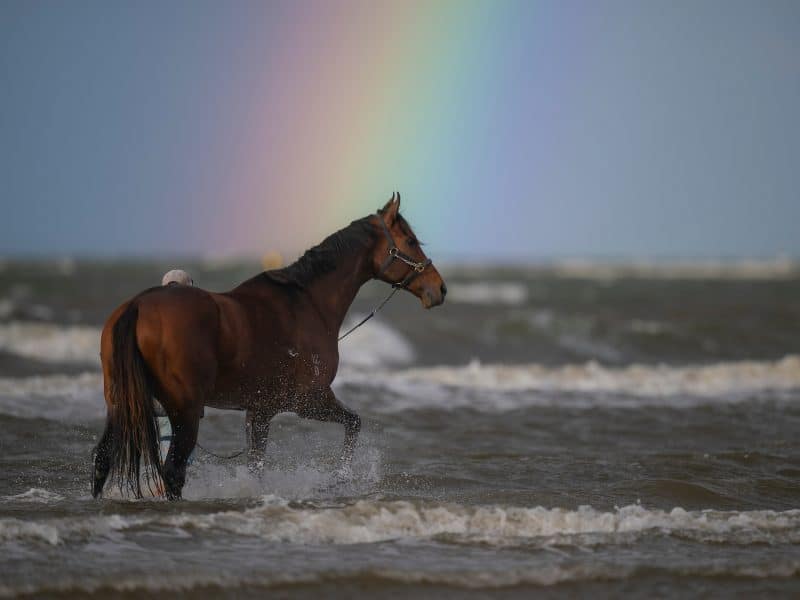
Gallery: Sir Delius chases a rainbow ahead of spring campaign
Queen Elizabeth Stakes winner Sir Delius makes his return to the racetrack in Saturday’s Makybe Diva Stakes. Photographer Bronwen Healy captured a visit to Altona Beach by the triple Group 1-winning star during the week.
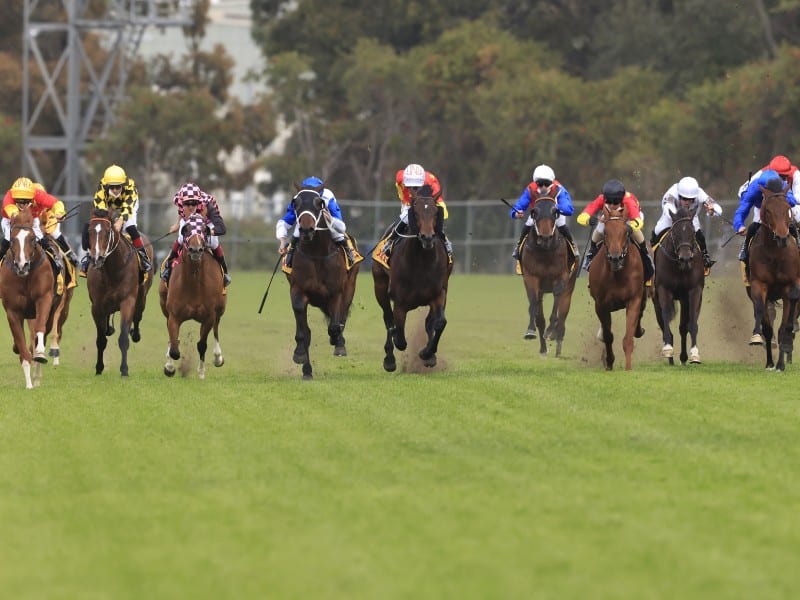
🔒 🔒 Golden thread runs through battle for freshman sire honours
The Golden Rose’s influence runs deep through this season’s freshman sire ranks, with winners In The Congo and Jacquinot represented by their first two-year-olds, while 2021 runner-up Anamoe enters as the early benchmark for first-season sire honours.
