
Waterhouse: Why the big bookies could benefit from gambling advertising restrictions
Bookmakers faced with stronger advertising restrictions will rely more and more on product differentiation, according to one-time bookie and now industry investor Tom Waterhouse, a trend which will suit the major operators like Sportsbet, Tabcorp and Entain.
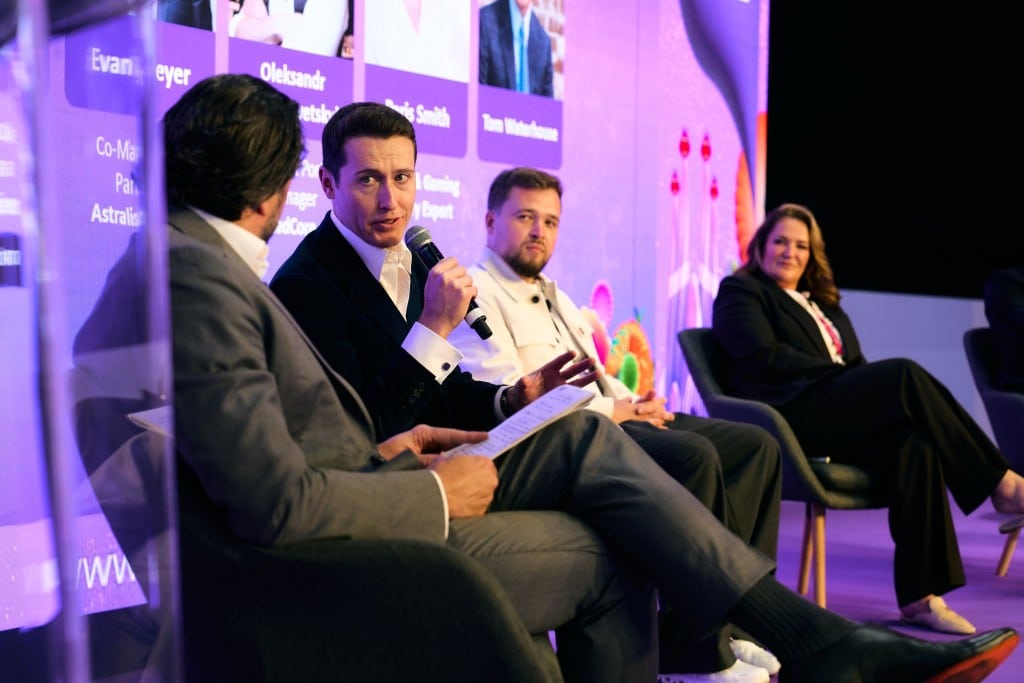
Tom Waterhouse, the former bookmaker some blame for the explosion in the promotion of gambling in Australia, believes the big wagering operators will benefit most from the tighter advertising regulations set to be introduced by the federal government.
Waterhouse, who now heads up a venture capital company, has not operated as a bookmaker for seven years, while it has been over a decade since he was the face of sports betting promotion.
But there are plenty who still attribute Waterhouse’s ubiquitous presence as the bookie of choice during sports broadcasts as the point where the promotion of sports betting in Australia reached a tipping point.
Waterhouse was out of the bookie game well before the flood of betting ads around live sports during the pandemic era led to significant political scrutiny around gambling advertising restrictions, and an eventual federal parliamentary inquiry, which handed down its report in 2023.
Prime Minister Anthony Albanese took over 1000 days before moving on any recommendations from the You Win Some, You Lose More report, but last week confirmed a range of restrictions around broadcast, radio, social media and online advertising as well as in-venue and on jersey sponsorship.
Waterhouse’s VC company focuses on investing in the global wagering industry, and he has specific expertise on likely future trends and market reactions to tighter regulation.
Speaking to ausbiz, he said his expectation is that the larger operators such as Sportsbet, Tabcorp and Entain are best placed to weather any downturn from decreased advertising.
“It’s probably the scale operators, (who are) the winners. So, the ones that already have the large customer bases, they probably see that they can spend maybe less on advertising and it goes to their bottom line,” Waterhouse said.
“And I think more broadly, what’s going to win is the suppliers to the industry, because rather than differentiating on advertising, that’s becoming more restricted. The channels where you can advertise are becoming less and less.”
Waterhouse said that the larger players are better placed to offer product differentiation, with sub-scale operators among the nearly 200 licensed Australian online bookmakers generally utilising “white-label” platforms, which don’t offer the same level of distinction.
“Operators are going to differentiate on products. So maybe the bet with mates product, cash out facilities, better CRM tools, better bonusing tools, and all this sort of stuff,” he said.
“As a fund, Waterhouse VC, we focus on that supply side. We don’t invest in the operators.”
“It’s really a tailwind for them because 10 years ago, you used to just put big ads on TV. Now you’ve got to differentiate with thousands of different markets and lots of different products, which service the customers and giving them a better product, which gives better retention, better lifetime, like value of the customer.”
The federal government’s own research, via the analysis of its Office of Impact and conducted by the Australian Gambling Research Centre, indicated an impact on wagering expenditure of around 0.8 per cent, or $62.7 million a year, with an added regulatory burden of $2.35 million a year.
The estimated cost to broadcasters is $192 million over 10 years, while sports bodies could be as much as $472 million worse off over the same period.
But Waterhouse also pointed to the threat posed by unlicensed overseas operators, who use the advertising bans in the regulated market to their advantage.
“One of the biggest things why a regulated onshore operator is onshore is because they can advertise. So, the more you restrict and regulate and make it tougher to advertise, they’re less inclined to be onshore,” he said.
“You’ve seen that there’s been massive growth in the unregulated market. H2 estimates that over a third of the gambling market now is offshore.
“They don’t pay any taxes. They don’t have any customer protections. And they advertise in ways that are very hard to monitor. They have influencers and they have streamers and they have ways that aren’t front and centre, which actually hits a much younger demographic.”
Waterhouse said that stronger action on payment gateways could be one way to curb the illegal markets.
“Once you’re outside the regulated market, into this unregulated sphere, it’s very hard to get back in. And the biggest issue is tax leakage, impact to Australian businesses and businesses that employ lots of people and pay high tax,” he said.
“If it’s a third of turnover and gambling loss going offshore, paying no tax, no harm minimisation measures, well, you’re losing a third of revenue that should be going back to the government, the state governments, the federal governments, the local sporting bodies, and obviously the racing industry. So, it’s a big issue.”
Author

Related Articles
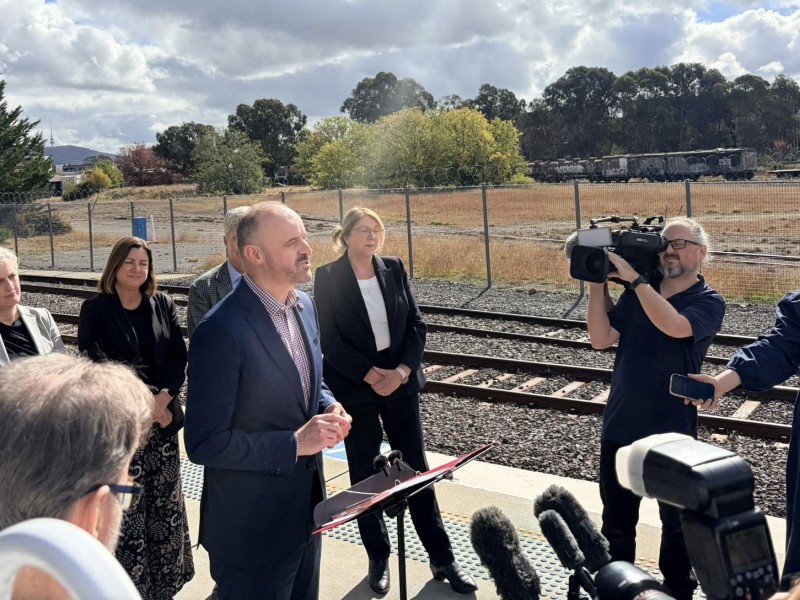
‘Price matters’- Wagering body slams POCT bungle as ACT government predicts revenue growth
The ACT government is banking on a 25 per cent surge in betting tax revenue despite clear signs that its record-high point-of-consumption tax rates have already dented the market.
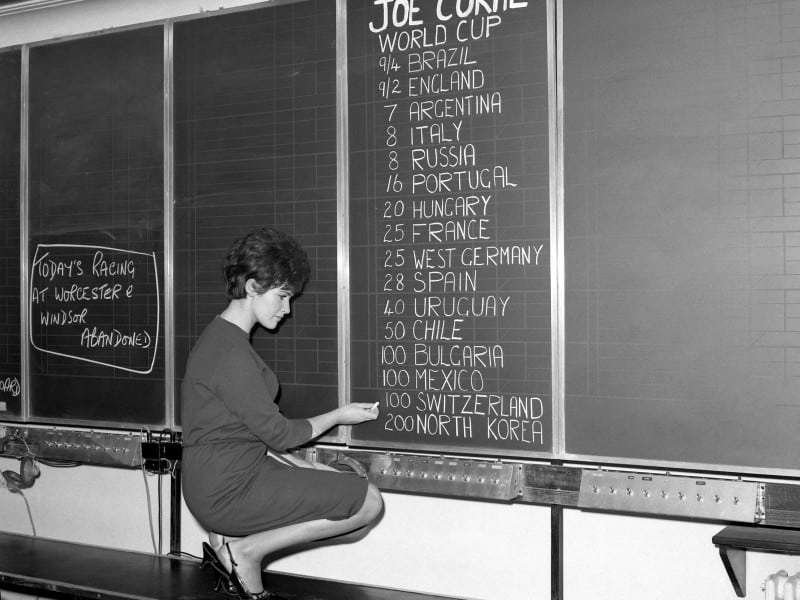
‘30 Super Bowls or 20 AFL grand finals’ – Why the World Cup is wagering’s most valuable sporting event
The 2026 FIFA World Cup is projected to generate a record $US60 billion in legal wagering, underscoring the tournament’s unrivalled value to bookmakers and regulators worldwide.
British industry demands stronger action on illegal gambling
In parallel with concerns expressed by the Australian wagering industry, the Betting and Gaming Council in the United Kingdom has outlined a five-point plan to stop British bettors from turning to black-market operators.
