
🔒 🔒 Marathon mindset – Mitch Freedman hits full stride in time for spring
Mitch Freedman has produced the finest season of his training career with fewer horses, proving a disciplined philosophy borrowed from an elite sporting team can deliver results on the eve of spring.
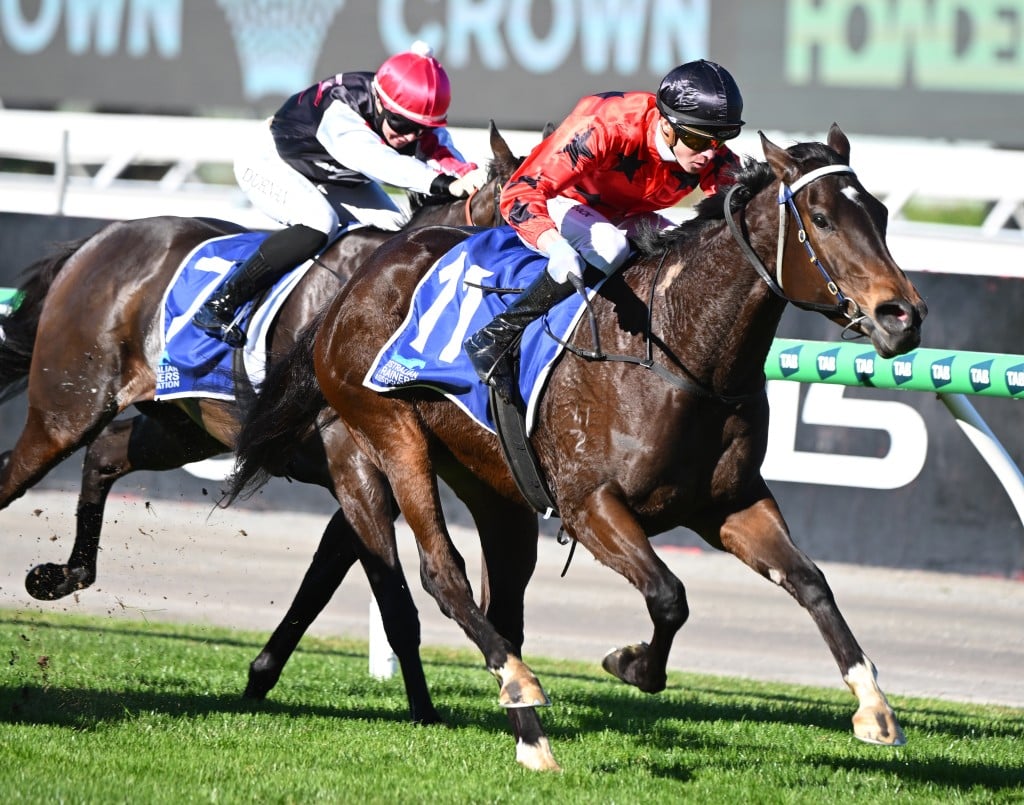
The best season of Mitch Freedman’s training career has been shaped as much by the horses he no longer has as the ones still on his books.
With fewer members of his Ballarat team in work than 12 months ago, Freedman has surpassed his previous benchmark for winners as an extraordinary 32 per cent strike-rate through July has established his stable among Victoria’s most productive.
A career-best four winners at Swan Hill on Tuesday among 10 for the month merely reinforced a trend that has been building during 2025/26.
Freedman reached 50 winners in a season for the first time and will carry that momentum into 2026/27 with two runners at Flemington on Saturday – a promising daughter of Zousain in Salizou and Jennyanydots, a mare admired for always giving her best.
Of the duo, it is Salizou, a three-time winner from four starts, who is more likely to stake a claim to join stable heavyweights Skybird, Attrition and the sparingly raced Asakura as a spring candidate.
It’s a worthy carnival team but the numbers behind Freedman’s recent run tell only part of the story because the stable has reached this point after consciously reducing its size.
Rather than chasing volume, Freedman has concentrated on raising the standard of the horses, even if it has meant leaving boxes empty while he tries to expand a client base.
His blueprint comes from an unlikely source.
“We’re trying to go by the Geelong Cats model, not rebuild but certainly keep the quality going and keep around the mark all the time,” he told The Straight.
The comparison is revealing.
For nearly two decades, AFL powerhouse Geelong has resisted the boom-and-bust cycle that often defines professional sport, refreshing its list before decline sets in rather than bottoming out and starting again.
Veterans have been replaced progressively, younger talent introduced steadily and standards maintained, allowing the club to remain competitive across multiple eras instead of enduring years in the wilderness.
Freedman sees the same principles applying to a racing stable.
Across all operations, good horses inevitably leave through retirement, injury or sale, making constant regeneration more important than wholesale change.
“We’ve actually decreased numbers this season,” he said.
“We’ve got plenty of empty boxes at the moment, so we’re looking to get our numbers back up again.”
That approach has left Freedman with a select group capable of carrying the stable through the coming months, headed by Group 1 winners Skybird and Attrition, alongside Group 3 placegetter Asakura and Sharaz, a winner of his only start that suggested he is destined for a career at a metropolitan level.
The same methodical thinking extends well beyond the stable.
Three years after completing the Melbourne Marathon, Freedman will again fit in a running schedule around the demands of training racehorses as he prepares for this year’s Melbourne Half Marathon.
Long runs are squeezed between morning trackwork and afternoon duties, with stable business continuing over the phone as he covers the kilometres.
“It’s doable if you want to make the effort, but not everyone wants to make the effort,” he says.
“A lot of people are quite happy to sit around and do not much, but if you want to get it done, it can be done.”
The target is to eventually run under 80 minutes for the half marathon, an ambition that reflects the same incremental mindset he applies to training horses.
He is equally pragmatic when it comes to the economics of racing.
Despite Sharaz emerging as one of the stable’s brightest young prospects, Freedman this week sold five per cent of his shareholding in the rising three-year-old to help defray expenses associated with this year’s sales purchases.
“We needed to pay off some of our yearlings from this year,” he said. “I’m in the business of training horses and not owning them.”
The decision also introduced new owners to the stable, another example of balancing immediate financial realities with longer-term growth.
Freedman acknowledges attracting fresh horses has become more challenging as economic pressures bite.
Even so, the stable’s recent form has provided its own advertisement.
“We’re obviously getting plenty of winners so there’s no reason not to send us a horse,” he said.
Related Articles
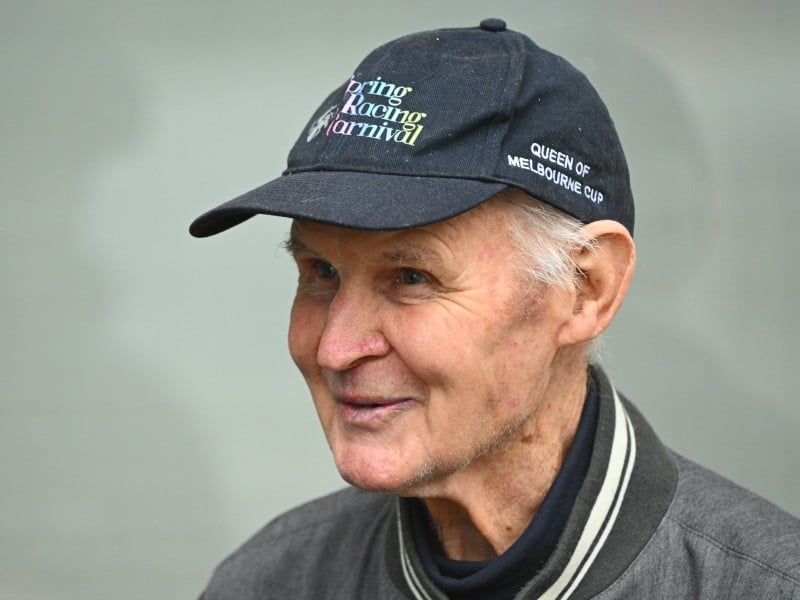
Tributes flow for Paddy Payne Snr after death at 90
The patriarch of the famous Payne family, Paddy Payne Snr, has died aged 90, prompting a wave of tributes.

Ian Edwards appointed Synergy CFO ahead of RWWA departure
Outgoing Racing and Wagering Western Australia chief executive Ian Edwards will return to a finance role when he joins the state-owned electricity corporation in November.
The greatest workforce challenge – Turning passions into professions
Every year passionate and capable professionals leave the racing, breeding and wagering industries because they cannot see a sustainable career ahead of them. Bren O’Brien says this remains one of the most important challenges for these industries to confront.
