
Where NSW is losing trainers: the numbers behind a 15 per cent fall in country stables in two years
Country stables accounted for 38 of the 46 trainer licences lost in NSW in 2025/26, according to Racing NSW’s annual report, which links the fall to tougher business conditions and increased welfare expectations.
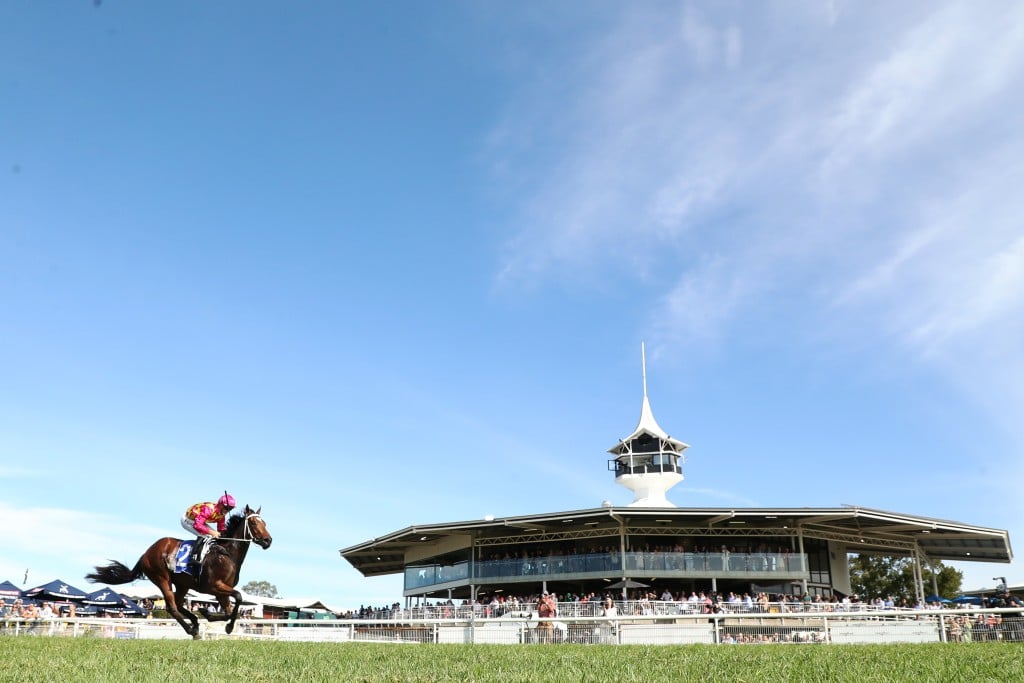
NSW’s country training ranks have fallen by 7.6 per cent in the past year, accounting for more than 80 per cent of the statewide decline in trainer licences, according to Racing NSW’s latest annual report.
Racing NSW records 635 licensed trainers for 2025/26, down from 681. Country licences fell from 503 to 465, a drop of 38, or 7.6 per cent, and the sector made up 38 of the 46 licences lost statewide.
Provincial licences fell by six to 115, while metropolitan licences slipped from 57 to 55.
The pattern holds over two seasons. The regulator’s 2024/25 report listed 545 country trainers in 2023/24.
Since then the sector has lost 80 licences, or 14.7 per cent, which is 82.5 per cent of the statewide net decline of 97. Provincial licences have fallen from 131 to 115 over the same period, while the metropolitan count of 55 is one short of where it stood two years ago.
Country trainers account for a greater share of the licences lost than of all trainer licences. The country sector held 74.5 per cent of all trainer licences in 2023/24 and 73.2 per cent in 2025/26.
In its annual report, Racing NSW offers one explanation for the trend. “The percentage decreases over the past few seasons have likely been influenced by the increased focus on the business and welfare expectations for Trainers,” it said.
In its 2024/25 report, the regulator was more direct about the decline.
“In an effort to increase industry professionalism, higher standards were introduced over the past twelve months when assessing the financial component of Trainer licence applicants. As such, this decline, while slightly above the average experienced in previous years, is not unexpected,” it said.
Those higher standards arrived with the 2025 renewal round. A letter dated May 1, 2025 from operations manager – integrity Michael Cleaver required trainers to lodge personal and business ATO Notices of Assessment, along with a statutory declaration that they could meet creditor and staff obligations, including superannuation.
“It will also allow for earlier intervention where a trainer may not be meeting their obligations and provide a greater opportunity to avoid training businesses from failing,” Cleaver wrote.
In August that year an email exposed the names of more than 115 trainers who had still to satisfy the requirements. Racing NSW has said that the financial vulnerability of trainers also threatened animal welfare standards.
The annual report does not separate trainers refused renewal from those who chose not to reapply, retired or let their licence lapse.
It also says nothing about how many businesses were flagged early and kept afloat, the outcome Cleaver’s letter set out to achieve.
With 18 new trainer licences approved in each of the past two years, more trainers have left than the net figures show. The Licensing Committee refused eight of the 27 applications referred to it in 2025/26, but those figures cover every licence category.
A broader question is a possible impact on race fields from fewer trainers. Country TAB starters fell by 949, or 3.8 per cent, even though three more races were run, and the average field fell from 9.80 to 9.42. Country non-TAB fields fell from 7.79 to 7.12.
Racing NSW attributed part of the statewide fall to wet weather, which hit provincial racing and the North Coast hardest.
Victoria provides a different picture, although its figures cover the earlier 2024/25 year and measure participation rather than licence holdings.
Racing Victoria’s 2025 annual report recorded 877 training stables with a race starter, down from 884, or 0.8 per cent, while stables with a winner fell from 486 to 473, or 2.7 per cent. Neither measure is directly comparable with NSW’s trainer-licence totals.
At Victorian country meetings in 2024/25, horse starts rose by 1.6 per cent to 31,214 and average starters per race increased by 0.5 per cent to 9.9. Those meeting classifications also differ from NSW’s, but the figures show that Victoria’s country racing activity was growing in that reporting year. Racing Victoria’s 2025/26 annual report is expected to be published later this month.
QRIC manages licensing for Queensland-based trainers but did not publish specific data in its latest annual report.
Costs are also weighing on the industry: Racing NSW’s 2024 strategic plan put the annual expense of a country horse at $47,452, against $70,023 in the metropolitan sector.
“This issue is impacting the appetite of owners to continue to participate in the industry, notwithstanding the benefits of increased prizemoney and a broader distribution of prizemoney paid,” the plan said.
Racing NSW’s 2026/27 renewal papers now ask trainers to agree to supply financial documents on request.
Debbie Prest, a country trainer licensed for more than 35 years, asked the Racing NSW board in an open letter what that agreement adds to existing powers and how the information would be protected.
“This raises a legitimate question as to whether the agreement is genuinely voluntary when refusal prevents licence renewal,” Prest wrote at the time.
Author

Related Articles
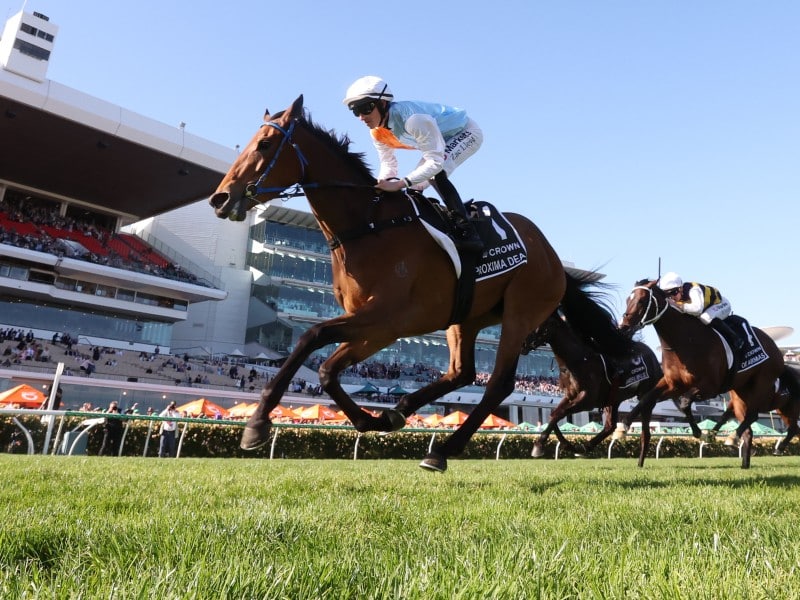
Payne daring to dream after Proxima Dea’s ‘special’ Oaks win
Proxima Dea had every right to falter at the 2500m staying distance of the VRC Oaks but her superior staying qualities have her veteran trainer David Payne pondering a Melbourne Cup.
🔒 🔒 Dragged down by legal bills, ATC posts $4.8 million loss
The Australian Turf Club’s annual report has revealed the exact cost of its failed court challenge to Racing NSW: $4.1 million of its $4.8 million deficit in 2025/26 is attributable to its fight to prevent the appointment of an administrator.
🔒 🔒 From Elite to liquidation – Syndication company collapses
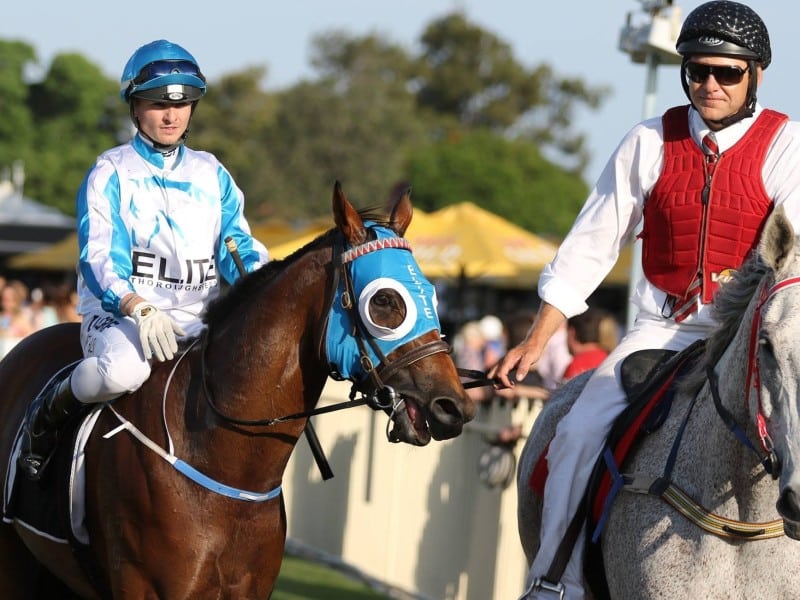
NSW syndicator Elite Thoroughbreds has gone into liquidation, with documentation showing unsecured creditors, including Inglis and Magic Millions, are owed over $400,000 and owners potentially left out of pocket.
