
🔒 🔒 Racing NSW maintains surplus as fresh challenges remain for new leadership
Racing NSW recorded a $13.63 million operating surplus for 2025/26, but as Peter V’landys bids farewell, flat wagering figures point to ongoing regulatory and market challenges in the wagering industry that fuel racing’s commercial strength.
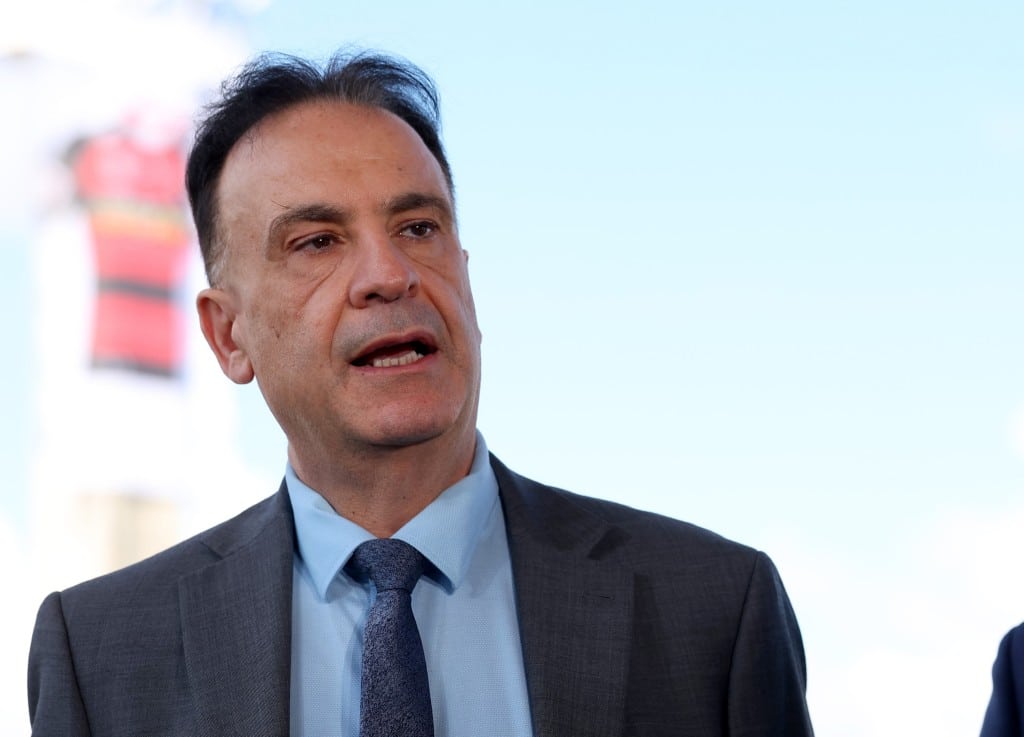
Racing NSW has increased its operating surplus to $13.63 million in the 2025/26 financial year, the last of Peter V’landys’ 22 years as chief executive.
Despite softer wagering conditions, the regulator of the New South Wales racing industry said it had paid record sums to NSW race clubs.
The $13.63 million result, set out in the 30th annual report submitted to Minister for Gaming and Racing David Harris, compares with $12.96 million in FY25 and $12.6 million in FY24.
It follows a year when Racing NSW stayed in surplus, while its wagering revenue fell 4.1 per cent to $302.8 million. Wagering revenue in 2025/26 was down slightly to $302.76 million.
For Racing NSW, wagering revenue includes race fields fees, tax parity revenue, point-of-consumption tax revenue, Everest slot revenue, revenue from Kosciuszko ticket sales and prize money subsidies.
Overall revenue fell from $410.4 million to $408.7 million, while total expenses also dropped, from $398.2 million to $395.6 million.
The annual report said the FY26 surplus was “achieved despite the downturn in wagering and the tough economic climate”.
Racing NSW revealed its first charge, which is paid out of TAB distributions towards the running costs of the principal racing authority, fell to $4.2 million from $5.6 million in FY25. It said the lower figure, along with other efficiencies, allowed it to provide more than $30.75 million in direct support to clubs during the year.
Total distributions to NSW thoroughbred clubs reached $488.5 million, beating the record set in 2025. Returns to owners and participants came in at $402.6 million.
Racing NSW held the number of meetings and prize money levels at the previous season’s levels and attributed the slight fall in returns to more wet-weather-affected races.
The same weather shows up in the participation figures. NSW ran 5386 races from 746 meetings, compared with 5417 races in 2024/25. Race starters fell from 50,667 to 48,817, and the average field size across all sectors fell from 9.35 to 9.06, its lowest point in the seven seasons the report tabulates.
Individual horses to start fell to 9968, down 2.09 per cent. Licensed trainers fell from 681 to 635, a decrease the regulator said was likely influenced by a deeper focus on business and welfare expectations.
Racing NSW has imposed mandatory financial viability proof and documentation requirements for trainer licence renewals.
This includes statutory declarations confirming financial solvency, the ability to pay creditors, and proper handling of staff entitlements and superannuation.
The annual report also said catastrophic horse injuries fell by 20 per cent on 2025, while new workers compensation claims dropped from 560 to 462, and the in-house fund recorded a $0.5 million excess of claims revenue over costs.
V’landys described the document as his “23rd and final chief executive’s report”. His contract expires on November 30, and Racing NSW announced his departure on September 24, following his appointment as executive chair of the Australian Rugby League Commission.
Graeme Hinton, who has been acting chief executive since July after serving as chief operating officer, takes over on December 1 after a unanimous board decision.
Racing NSW credits initiatives introduced since 2004 with more than $3.5 billion in new revenue and $375 million a year in recurring income. The race fields scheme accounts for more than $2 billion of that, with $154 million a year in recurring revenue.
V’landys said wagering tax parity has delivered more than $600 million, worth $61 million annually, and the industry’s share of the Point Of Consumption Tax has delivered $400 million, worth $72 million annually.
At June 30, 2026, Racing NSW had net assets including provisions of $401 million. That figure includes a $260 million Future Fund held in provisions for prize money, club sustainment, race fields, capital expenditure and equine welfare.
In her report, chair Dr Saranne Cooke said V’landys had steered the industry through Equine Influenza and COVID-19, and that NSW had moved from trailing Victoria on key financial measures to leading the country.
“This brings to a close an extraordinary period of leadership for which the industry owes Peter a huge debt of gratitude,” Cooke wrote.
When his departure was announced, V’landys said in Racing NSW’s statement: “Naturally, this is a very sad day for me. I have put my heart and soul into racing for 22 years.”
Hinton, who has been acting as CEO since mid-July, authored the report’s operations section, which highlighted both the Commonwealth gambling reforms and Racing NSW’s agreement with Tabcorp.
It acknowledges that the federal reforms “will have some impact on future wagering activity”.
It also flags two further tasks for Racing NSW: advocacy as the NSW government introduces its own gaming reform package, and the continuing threat to industry revenue from illegal offshore wagering.
Author

Related Articles
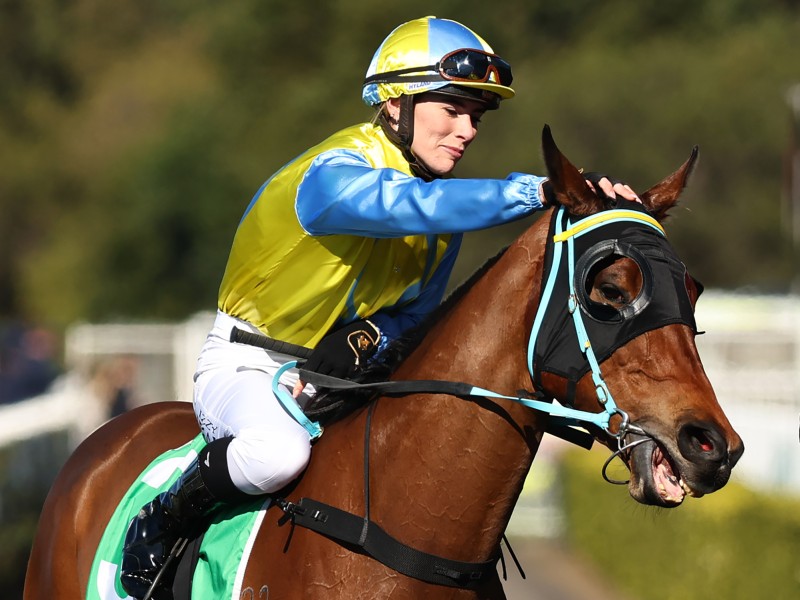
Izzy Neale dies two days after Warren race fall
The family of jockey Izzy Neale has confirmed her death at age 22, two days after a race fall at Warren on Sunday.

🔒 🔒 Post-spring power struggle looms as Kanga upends the VRC’s best-laid plans
The Victoria Racing Club’s plans for a smooth board transition have been upended by John Kanga’s entry into its member election, but is the pending political drama at Flemington a sign of a broader struggle for influence in the Victorian industry?
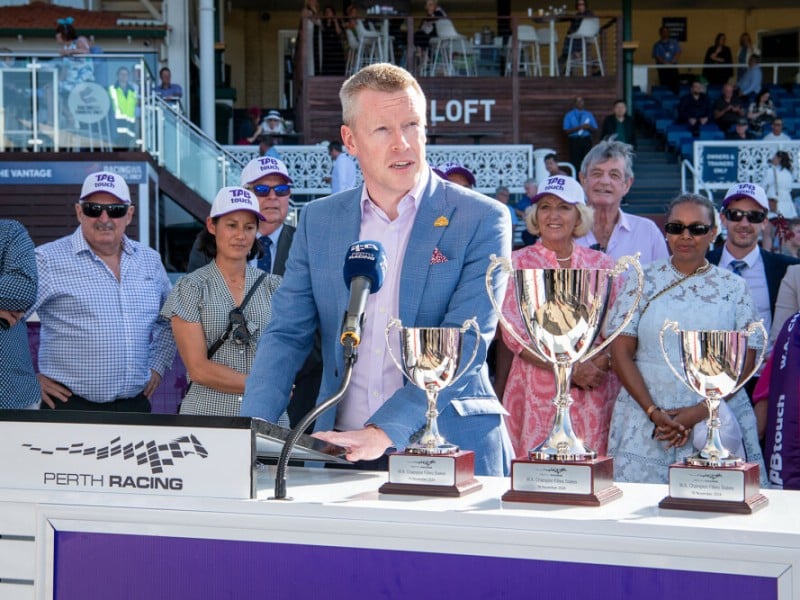
🔒 🔒 RWWA warns racing funding model faces 2027/28 test
Racing and Wagering WA says that maintaining current industry funding levels will become increasingly difficult from 2027/28, with departing chief executive Ian Edwards acknowledging the financial windfall from prior wagering booms cannot provide an indefinite source of support.
