
Opinion: The Rosehill toxicity and the path forward
The argument over the future of Rosehill may have been settled, but the way forward for racing in Australia’s biggest city is far from clear. Bren O’Brien wonders if the toxicity of the debate will continue to cloud real progress.
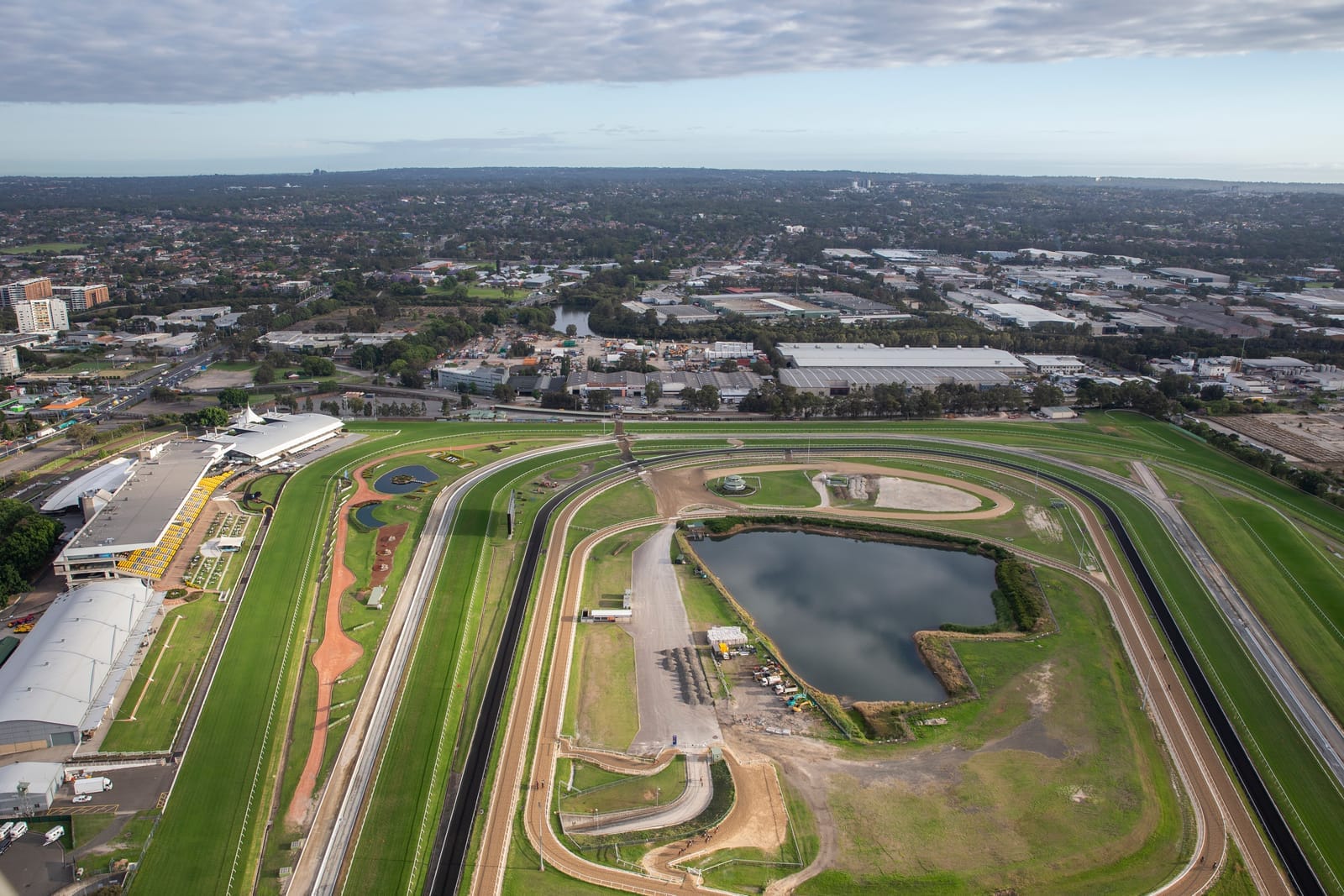
Having achieved their aim, albeit by a narrower margin than many expected, those forces which aligned to oppose the Australian Turf Club’s $5 billion proposal to sell Rosehill are unlikely to rest on their laurels when it comes to reform of racing in the state.
For most of those involved in the Save Rosehill campaign, this was about much more than being against a hastily compiled and not particularly well-thought-through plan to try to secure a $5 billion windfall which may underpin the ATC’s bottom line for generations to come.
It was about the difference in opinion on what the future of racing should look like in Australia as the 21st century evolves. They saw proposals like Rosehill as an example of racing retreating to margins and that the sale of the racecourse would only further concentrate power, particularly in NSW.
As one person put it to us, perhaps slightly idealistically in the aftermath of the vote, “maybe this was about a group of passionate sporting people with a respect for history, maybe that when they go racing they’re in a place of joy where they can see their friends and they can have a good time”.
But the result of this Rosehill debate has been the polar opposite of a place of joy. The differences of opinions over the proposal, which failed 56.1 per cent to 43.9 per cent, have become toxic.
Professional and personal relationships have irrevocably broken down. Campaigns were run through mainstream media pitted against major figures in racing, which sought to discredit and humiliate them. Politics can be ugly, but racing politics is seemingly much uglier.
Accusations of self-interest have flown on both sides of the argument. Racing NSW CEO Peter V’landys, who technically had no official role to play in the decision but became inevitably drawn to its centre, put a name on his enemies in the Rosehill parliamentary inquiry.
‘Wealthy breeders’ became his target, using words like “cheats”, “liars”, “undesirables” and “cowards”. It tore a huge hole in the fabric of the thoroughbred industry.
Also in his sights was independent MP Mark Latham, who ATC chairman Peter McGauran described on Tuesday was “a blight on the political landscape, let alone on the racing landscape”.
Latham became the “yes” case’s ‘boogie man’ as much as V’landys and McGauran were for the “no” case.
 Warwick Barr
There are elements of both sides of the Rosehill debate which have thrived in this toxicity. But the net outcome has been a huge black eye for racing.
In the aftermath of the vote, nearly every person spoken to The Straight, did so on the proviso they were to remain unnamed.
The capacity for civil debate has been diminished. Racing’s dirty laundry hung in the halls of parliament and in the arena of public debate and the industry has proved itself incapable of respectful agreement.
McGauran, the man who stood in the middle of the Rosehill proposal told SEN Track’s Straight Talking segment on Wednesday that he had never endured such vitriol and vindictiveness on a personal level in his long time in public life.
He also said after the vote result “he didn’t think there will be personal enmities going forward”. Not for the first time in his time as ATC chairman, he appears to have misread the room on that aspect.
For those who claim Tuesday’s “No” vote as a victory, who toasted the success with champagne, the challenge is now down to them to show this was never personal.
The next logical target of their campaign is V’landys and his Racing NSW regime.
Racing Minister David Harris is currently reviewing the Racing Act to determine if that is fit for purpose, 25 years after it came into existence. That process, although political, is not personal.
It is designed to determine if the systemic issues which many say have allowed V’landys to garner so much power and influence, need to be addressed. It is what good legislation does and it is a window of opportunity to put the personal reprisals to one side.
However, it is hard to see Harris wilfully wading headfirst into racing politics given the environment is as toxic as an old western suburban asbestos factory.
As several of those opposed to the Rosehill proposal told us on Tuesday night, V’landys should be the next target. They feel an extra push would send him to rugby league, and achieve their aim of “regime change”.
 Bren O’Brien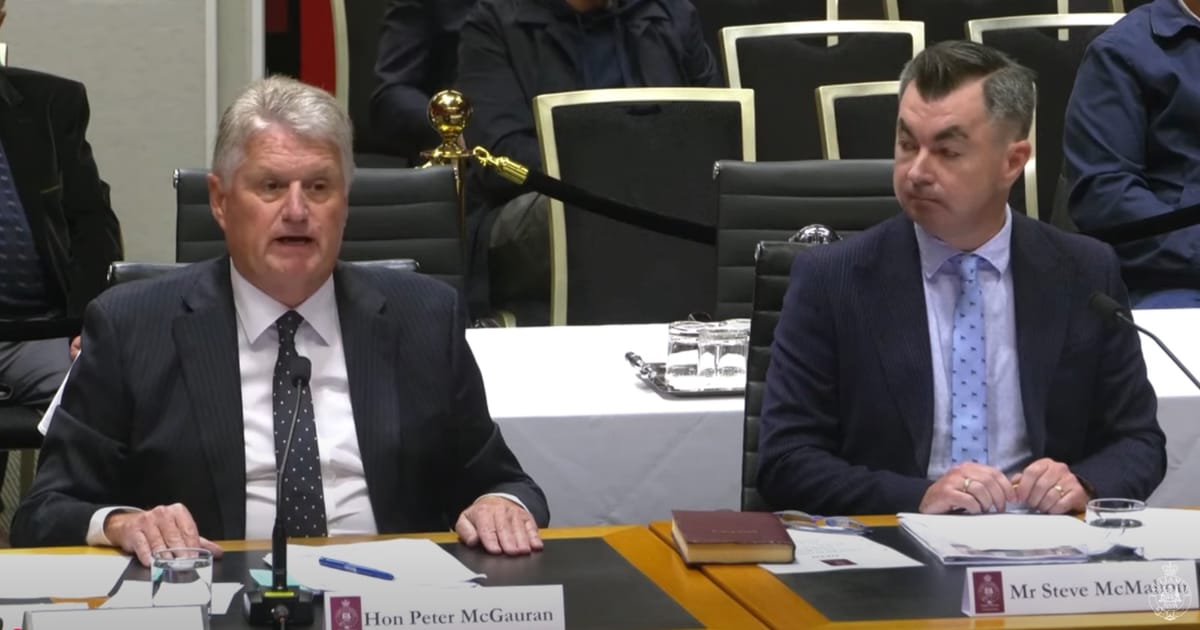
But the ATC regime remains in place, at least for now. Three of the seven ATC board members were explicitly against the Rosehill sale, and it is their persistence which has achieved a result for those who opposed the path which McGauran and key members of the ATC executive put them on.
McGauran, a director appointed by the minister, seems determined to stay the course, despite the view that he drove the Rosehill proposal, and should be ultimately accountable for its failure. His board can depose him, while members can bring a spill motion. Both will only add to the toxic nature of the situation.

The public nature of the Rosehill debate led many within the industry to choose sides. As one ‘Yes’ voter told The Straight “within a few years there will be prize money cuts, but hey, we’ll still have Rosehill and no money to maintain it”.
Regardless if you agree with the tone, it raises an important point. Racing has solved nothing through 18 months of rancorous debate. The time for pointing fingers is over and the time for crafting solutions which have the broader racing industry’s interest at heart is past due.
Author

Related Articles

Celebrations and setbacks – Chris Munce on racing’s fickle fortunes
Having experienced enormous highs and lows of racing as a jockey and a trainer, Chris Munce knows he can rebound from the injury setback to his star colt Cool Archie this week. The feeling is slightly different this time, shared with his children Corey and Caitlin, who are key parts of his training business.

Straight Talk – Racing NSW vs ATC, the battle over the Pattern, plus developments in the breeding and wagering industries
This week’s Straight Talk breaks down a big week in racing news, with Racing NSW’s move to place the ATC into administration, plus the Asian Racing Federation stepping in to control the black‑type pattern.

What will be the five biggest stories in wagering in 2026?
As the calendar turns into another year, it’s time to turn our focus to the crystal ball to see what might shape the wagering industry headlines of 2026, and there is a certain familiarity to our predictions.