
Queensland government unveils terms, appointments for racing industry review
Governance and financial sustainability will be central issues of an independent review into the Queensland racing industry.

Under the terms of reference announced for the Queensland Racing Review 2025, the Crisafulli government has promised an extensive assessment of the current operations within the structure of all three racing codes – thoroughbreds, harness and greyhounds – in the state.
The review, headed by former Australian Turf Club chairman Matthew McGrath, has been given a charter to identify systemic challenges or inefficiencies and provide strategies for the long-term health of the industry.
McGrath will be joined on the four-person steering committee by barrister Scott Neaves, racing integrity specialist Kym Daly and media and communications professional Lynette Keep.
Neaves is highly experienced in the field of racing litigation while Daly has stood down from his role as a steward with the Queensland Racing Integrity Commission (QRIC) to join the committee.
Keep has a strong working background in all three racing codes and holds a greyhound trainer’s licence.
In a media statement announcing the appointments, Queensland’s Minister for Racing Tim Mander said the review would address key areas such as the effectiveness of existing governance arrangements, a need for a fit-for-purpose infrastructure that supports all three racing codes and the prioritisation of care and welfare of racing animals.
“This is the most comprehensive review across all three codes to be carried out in Queensland, and it is imperative that we have a variety of experience and viewpoints involved,” Mander said.
“The all-Queensland steering committee have been chosen for both their unique knowledge of the racing codes and broad spectrum of professional expertise.”
More than 1200 submissions were received during the review’s discussion process which closed recently.
“The contributions have helped shape the terms of reference and will guide more targeted discussions,” Mander said.
“Labor spent too much time in the marquee and not enough time working with the industry that employs around 16,000 hard-working Queenslanders to keep it on track.
“It’s important that we get this right, so racing will continue to flourish and grow for decades to come.”

The scope of the review will also cover integrity, infrastructure, regional racing and animal welfare.
Costs involved in providing integrity services under the QRIC funding model will also be scrutinised.
An interim report will be delivered to the Queensland Department of Sport, Racing and Olympic and Paralympic Games within four months of commencing the review.
A final report is to be provided within six months and it will be made available to the public when it is finalised.
Under the terms of reference, the committee will consult with key stakeholders in Queensland.

Its recommendations are expected to call on the expertise and experience of Queensland’s racing counterparts on a national and international level.
According to the terms of reference, the racing industry in Queensland has been the subject of numerous reviews and inquiries over the past decade.
They include the treatment of retired thoroughbreds, the regulation of the Queensland greyhound racing industry, the review of the Racing Integrity Act 2016, the establishment of the Racing Appeals Panel, and, most recently, the “best practice review” into the operations of the QRIC.
During that time, the racing industry’s funding model changed with the introduction of the Betting Tax Act 2018 and further amendments to the Betting Tax Act in 2022.
This moved Racing Queensland’s funding for the industry from its commercial relationship with wagering firm Tabcorp to a point of consumption tax.
Related Articles
ATC wins court reprieve from administration until at least February
The Australian Turf Club will stay out of Racing NSW-imposed administration until at least February, after the Supreme Court of NSW issued a new order preventing any further action until the matter can go to a further hearing.
New blood at Racing NSW – Olympian and business veteran join board
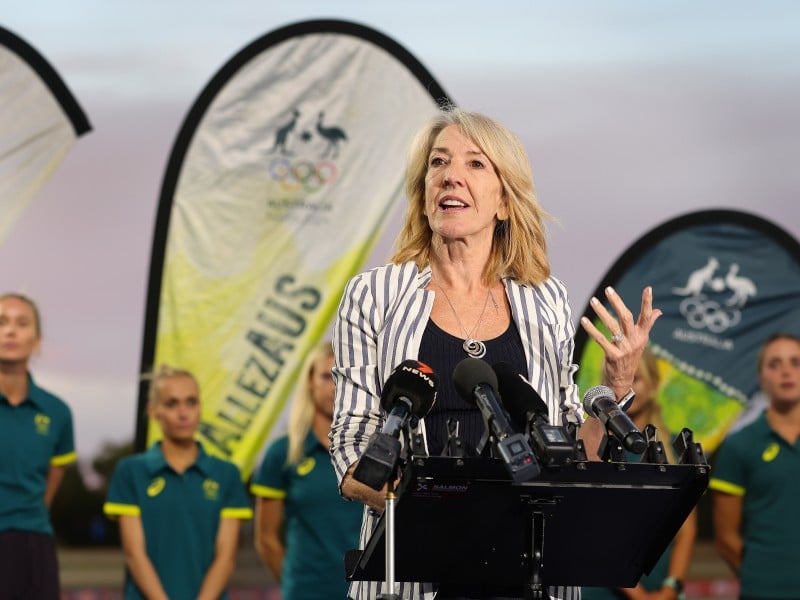
The NSW state government has announced replacements for Garry Charny and Tony Shepherd on the Racing NSW board, with an Olympian and a Venues NSW board member joining the thoroughbred industry regulator on four-year terms.
Mary Collier chosen to oversee sweeping reforms to Queensland racing
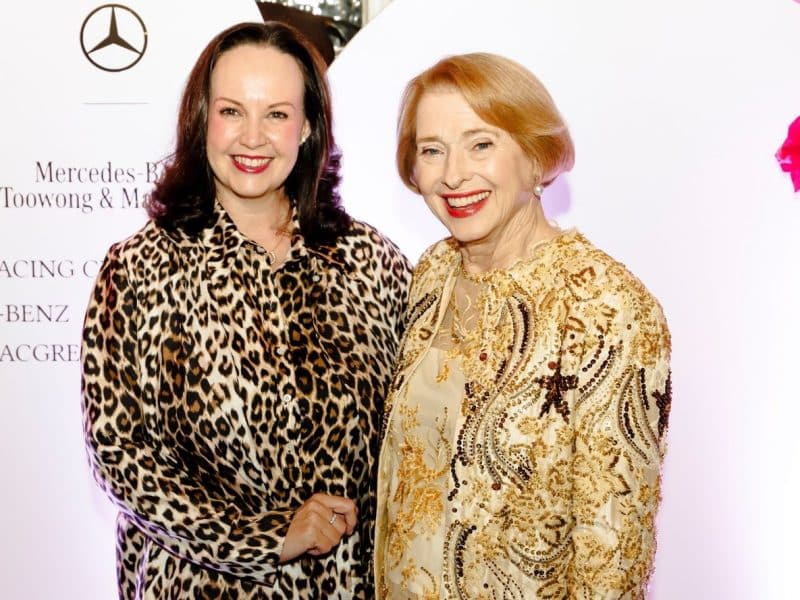
A generational reset of Queensland racing has moved into its implementation phase, with Racing Queensland appointing Mary Collier to oversee the rollout of the McGrath review’s sweeping, government-endorsed reforms.