
The mission to resuscitate The Pattern
Significant reform to The Pattern, the graded system for black-type racing in Australia which has remained unchanged since 2019, is set to be considered by Racing Australia at its May 22 board meeting.
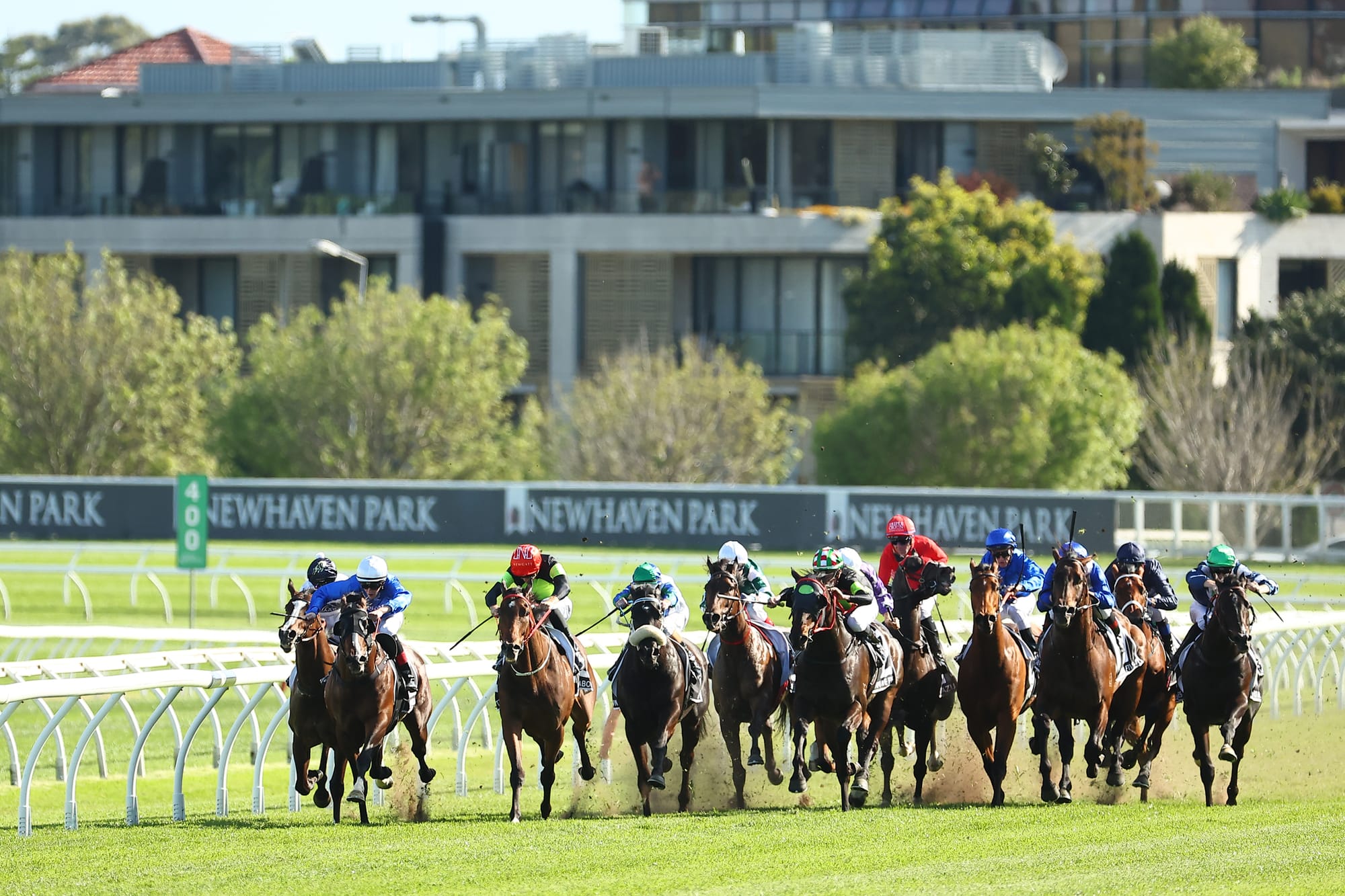
A working committee, put together in 2020, has compiled a report for consideration of Racing Australia, looking to end a stalemate which has prevented Racing Australia’s Pattern Committee from meeting.
The deadlock has been caused by an impasse between Racing Victoria and Racing NSW, both of which hold the right to veto Racing Australia’s decisions. This stand-off has been exacerbated by establishing rich races such as The Everest, the Golden Eagle, and the All-Star Mile, which sit outside of The Pattern.
While The Pattern has been discussed at Racing Australia board meetings over the past four years, this will be the first time there is any prospect of action on its future.
However, a key difference of opinion remains between states on whether races should be assessed purely on ratings or have further discretion built in to ensure the race fits within a pattern.
A strategic review was commissioned with a working party led by Racing Australia director Greg Nichols. The report was sent out for consultation among various stakeholders earlier this year.
The Straight understands that the committee guidelines made a host of recommendations, including:
– new standards for upgrading and downgrading races
– a defined pyramid structure for Australian black type, which ensures there are more Group 3 races than Group 2, and Group 1 etc
– regular re-assessment of races
– the encouragement of the integration of ‘innovation’ races into The Pattern
– protocols around the changing of conditions (date, distance etc) of established black-type races.
There are also recommendations regarding the composition of the members of the Australian Pattern and Development Committee and the frequency of meetings by the APDC.
On the final two points, it has been suggested that in addition to containing representatives of all the state-based PRAs, the APDC should also feature representatives from Thoroughbred Breeders Australia, Inglis, and Magic Millions and meet at least twice each racing season.
In the immediate aftermath of the recent Inglis Easter Yearling Sale, key members of the breeding and bloodstock industries met to rally support for re-invigorating The Pattern process.
Leading breeders, including Arrowfield chairman John Messara, have been vocal in their concern over the lack of action on The Pattern, which has become a victim of the political and legal fight between Racing NSW and Racing Victoria.
There are concerns that the impasse is compromising the international reputation of Australian racing, with high-profile and high-rating races such as The Everest still without black-type status.
However, for race clubs and principal racing authorities (PRAs), The Everest has proven that Group 1 status is not crucial to a race’s success. While a workable pattern remains a key priority for breeders, its dysfunction over recent years has arguably not significantly impacted race clubs or PRAs.
This raises the question of whether a Pattern exists at all. The Australian black-type calendar became unnecessarily bloated ahead of 2019, meaning it now represents a set schedule of events rather than a system for determining the best performers in each age, sex, and distance range for purposes of breeding selection.
 Warwick Barr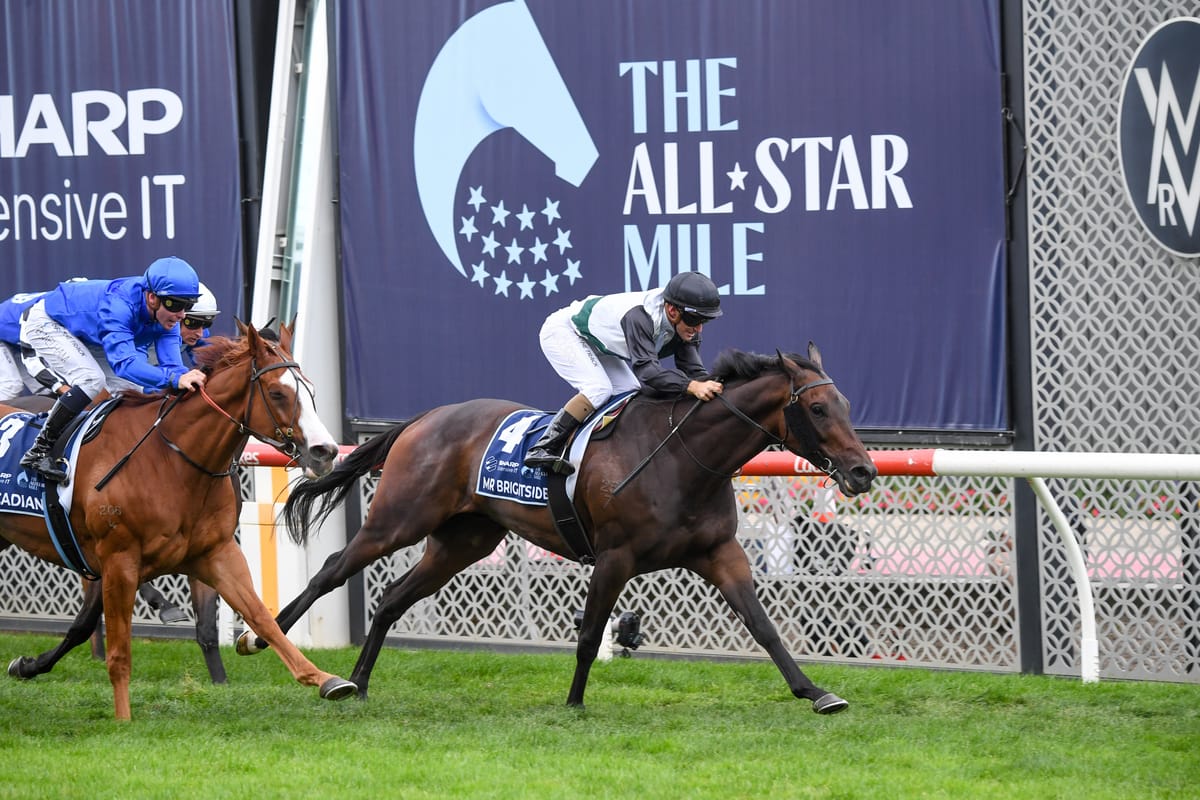
When the Australian Racing Board, Racing Australia’s predecessor, opted to commit to the Asian Pattern Guidelines in 2011, there was an enormous surge in races which were upgraded in black-type status, including 41 in 2013 alone.
Even before that, the volume of elite races grew. From establishing the Australian Pattern Committee in the early 1980s until 2019, 27 races were upgraded to Group 1 status, while only eight were downgraded from Group 1 to Group 2.
Australia now has 74 Group 1 races annually, the second most of any country in the world, something which has drawn international ridicule. It also has the second highest number of black-type races behind the United States.
In 2023, Longines rankings saw Australia have more Group 1 races ranked inside the Top 100 than any other country, with 24, but not one inside the Top 20.

The Straight believes that if the three-year international ratings guidelines were strictly applied, close to half of Group 1 races in Australia for horses aged three and over would be cut.
Those who favour Pattern reform have identified several Australian races as having questionable Group 1 status, including those that act as lead-ins to other Group 1 events.
A preferred number of Group 1 races is said to be around 60, but where to make that cut remains the challenge.
The belief is that Western Australia, South Australia, and Queensland still need to have a strong Group 1 presence. If downgrades were to be made, they would have to be centred in Victoria and NSW, which currently host 59 Group 1 races between them – 30 in Victoria and 29 in NSW.
Author

Related Articles

Straight Talk – Inglis Classic Review, RV board changes and Tabcorp looks to shift strategy
In this episode, Bren and Tim review the Inglis Classic Sale with Calvin McEvoy and Sebastian Hutch, look at the new additions to the Racing Victoria board and Tabcorp’s possible strategic shift.
A voice for all ages – how John Tapp became a podcast pioneer in Australian racing
The Australian thoroughbred industry has gradually found its voice in the digital age. But it is not an influencer or a Gen Z star who is leading the way. Instead, it’s one of the industry’s most recognisable and enduring personalities who is proving it’s never too late to learn something new.
Straight Talk – Classic Sale preview: Inglis and the Middle‑Market Test
In this episode, Bren and Tim preview the Inglis Classic sale with Sebastian Hutch, reflect on Magic Millions and Karaka, and examine the strength of the middle market for yearlings.