
‘A decisive intrusion into the affairs of a race club’ – Supreme Court ruling stops appointment of administrator to ATC
The Supreme Court of NSW has ruled the appointment of an administrator of the Australian Turf Club by Racing NSW was invalid.
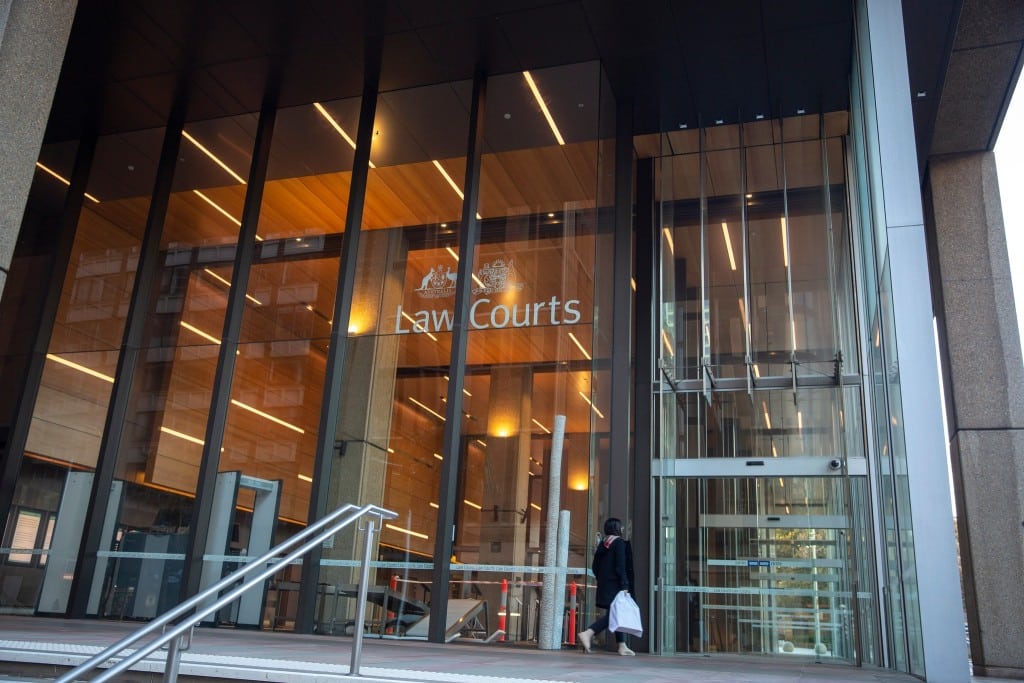
Racing NSW invalidly appointed an administrator to the Australian Turf Club, the Supreme Court of NSW has ruled.
Justice Francois Kunc found that Racing NSW did not have authority under the Thoroughbred Racing Act to designate Morgan Kelly on December 15 in the case brought by the Australian Turf Club.
He listed eight reasons for his decision, with the most significant being that while Racing NSW was empowered to control, supervise and regulate in NSW the racing of galloping horses as referred to in the Australian Rules of Racing, its reasons for the appointment were limited to concerns about the financial condition and corporate governance of the ATC.
Justice Kunc said that because they are matters which do not concern the racing of galloping horses as referred to in the Australian Rules of Racing, the appointment was not authorised by the Act and is invalid and of no effect.
He also determined that even if the appointment could have been authorised by the Act, it would also have been invalid because it was made based upon a “material misreading by Racing NSW of accounting information provided to Racing NSW by the ATC”, which was sufficient to constitute a jurisdictional error.
“This case has highlighted that Racing NSW’s power to appoint an administrator is a drastic one which can have a very real impact on hundreds if not thousands of people,” he said.
“It represents a decisive intrusion into the affairs of a race club, in this case a very substantial one, which is run by a board whose majority is democratically elected by its members and which otherwise operates in accordance with the well-developed body of law that applies to companies.”
Justice Kunc respectfully suggested that section 14.2 of the Thoroughbred Racing Act “merit careful attention on the part of all of those involved in this important industry and including, if thought necessary, amendment of the Act.”
Racing NSW was ordered to pay the ATC’s costs.
The regulator’s legal counsel indicated the possibility of an appeal. He had initially sought to continue two undertakings made by the ATC ahead of this hearing: not to enter into contracts other than in the ordinary course of business and not to make material changes to management.
The ATC objected to this but agreed to try to find a path forward before the Justice’s orders come into effect. It wmade an undertaking not to undertake any major changes to contracts and staff until 11am Friday.
The parties will meet again at a directions hearing on March 20.
In his opening remarks, Justice Kunc said he was aware of the broader industry interest in the case.
“The issues for the court concern whether Racing NSW validly appointed Mr Kelly. Did it have the legal power and, if so, did it make the appointment in the way the law says that kind of power must be exercised?” he said.
“This case is not about whether Racing NSW should have appointed Mr Kelly. That would require the court to consider the merits of Racing NSW’s decision.”
“Were Racing NSW’s reasons for appointing Mr Kelly right or wrong? The court expresses no view on that question and leaves it to be debated among the many people in this State who are interested in horse racing.”
The decision is a massive win for the ATC, whose four directors, chairman Tim Hale, vice chair Caroline Searcy, Annette English and David McGrath, faced being replaced by the administrator should Racing NSW’s action have been ruled valid by the court.
“The Australian Turf Club has always been committed to the highest standards of governance and the long-term health of the racing industry in New South Wales,” Hale said in a statement.
“Today’s win in the Supreme Court is very much a vindication of the ATC’s position and its view on the proper relationship between Racing NSW, as regulator, and the Australian Turf Club, and all other race clubs in NSW.”
“This has been an unfortunate episode. It is not in the interests of racing for Racing NSW and race clubs to be in conflict. We should be working together.”
Hale said the ATC looks forward to engaging with Racing NSW.
“Today’s outcome affirms that commitment and allows us to focus fully on what matters most – delivering outstanding racing and experiences for our Members, participants and the wider community, as ATC this Saturday launches and hosts the $46.2 million Sydney Autumn Racing Carnival,” he said.
The court decision comes as former NSW Health Minister Brad Hazzard is undertaking a review of the NSW Thoroughbred Racing Act.
Advocacy group the Racing Reform Group (RRG), which was formed to campaign for change through the Hazzard review, said it welcomed the ruling from Justice Kunc.
“It is a momentous moment for the club. But as Justice Kunc states in his judgement, there are wider issues in horseracing that must be resolved,” it said.
“As a result of today’s decision, it is vital the NSW government responds to the urgent need for change.”
“The Minister for Racing, David Harris, and the state government must recognise the overarching need to reform the NSW racing legislation, to make Racing NSW accountable to both the industry and to the NSW Government, and to set clear boundaries on its powers.
“The review of the Thoroughbred Racing Act being conducted by Brad Hazzard must address the structural power imbalances between participants and the regulator.”
The RRG has ruged the Hazzard’s review to include considerations of the funding model of racing and the relationship between Racing NSW and the state government.
“We look forward to the Racing Minister’s engagement with the industry and the public on the path ahead in the very near future,” it said.
Author

Related Articles
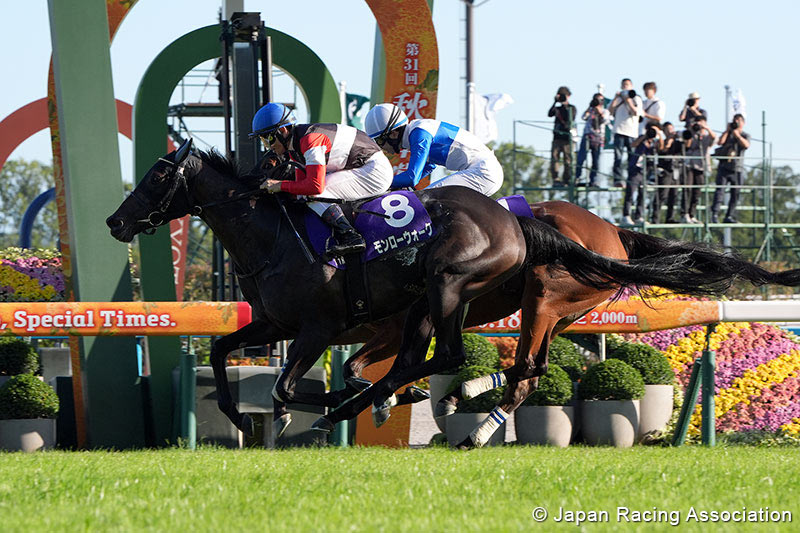
Monroe Walk becomes latest Japanese Group 1 winner out of an Australian mare
Monroe Walk, a Kizuna filly out of Thousand Guineas winner Amphitrite, remained unbeaten in the Shuka Sho at Kyoto, equalling the course record at her first Group 1 start.
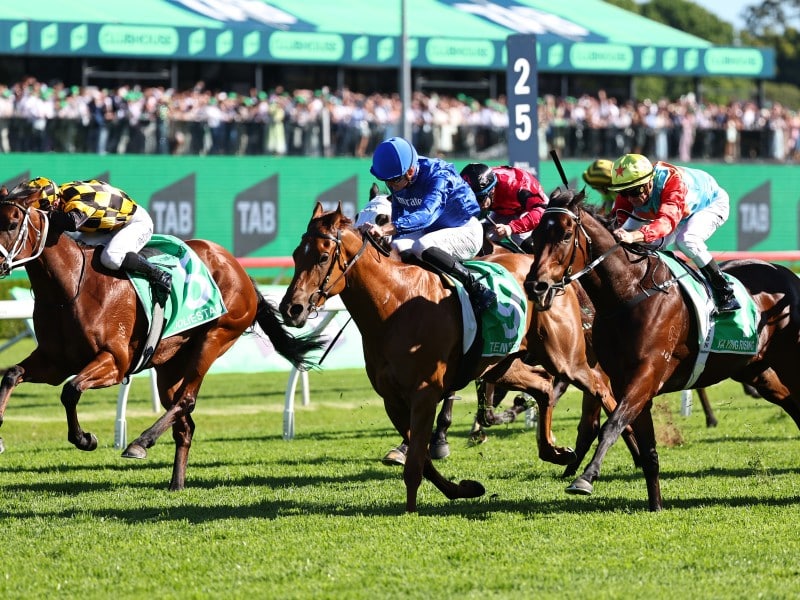
Tempted upsets Ka Ying Rising in epic Everest
Tempted has lowered Ka Ying Rising colours in an epic edition of Australia’s richest race, the $20 million The Everest, handing Godolphin one of its most significant Australian results.
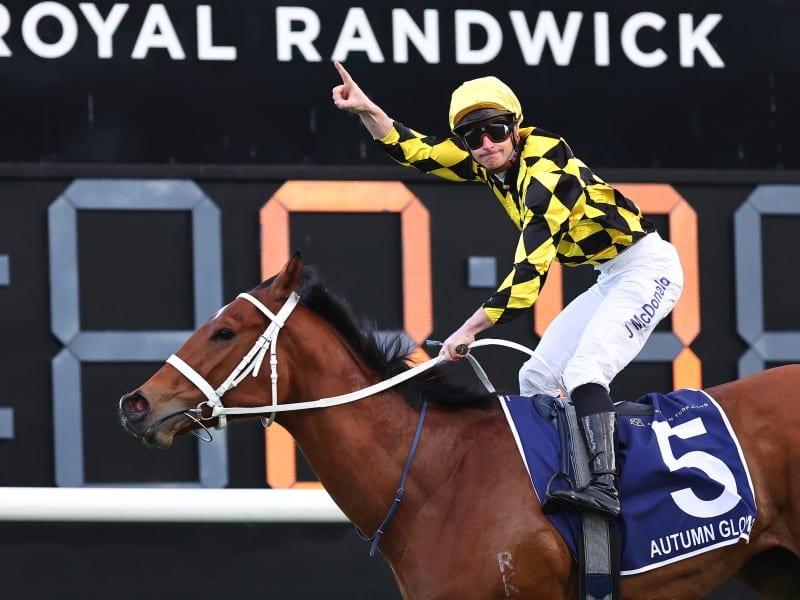
Autumn Glow beats Ceolwulf for fifth Group 1 with Royal Ascot in view
Autumn Glow claimed her 14th win from 15 starts as the Chris Waller-trained mare took the King Charles III Stakes, with a Royal Ascot trip in June still on the table.
