
🔒 🔒 Racing SA narrows loss to $1.66 million but budgets for third straight deficit
Racing SA recorded a $1.66 million deficit for 2025/26, narrower than the previous year but above budget, and has forecast a deficit of over $800,000 for 2026/27 rather than the return to surplus flagged a year ago.
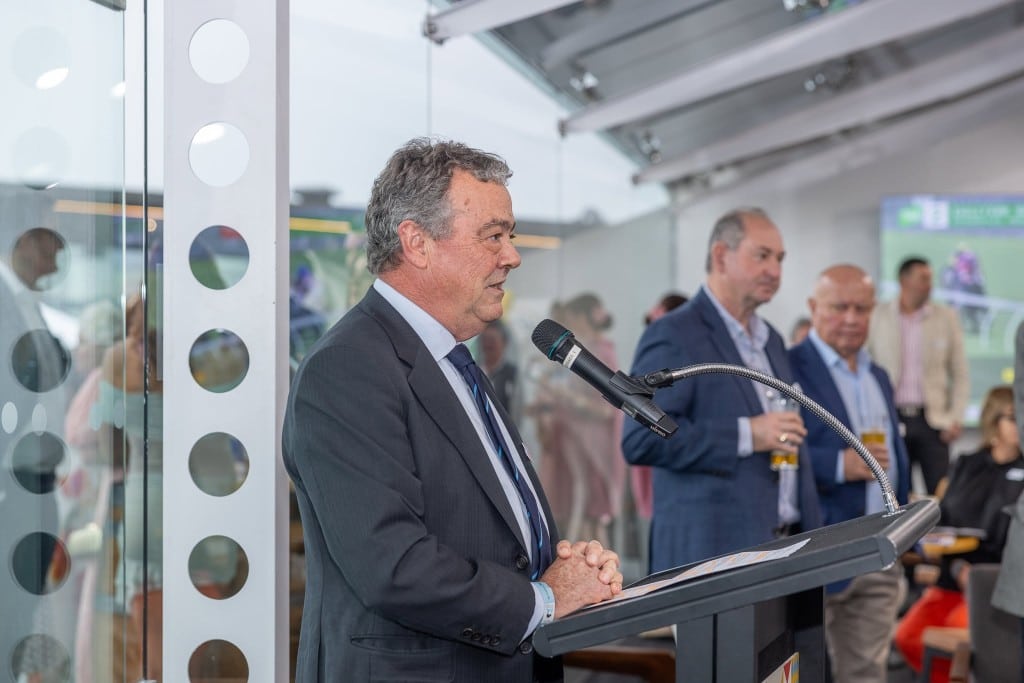
Racing SA has halved its annual loss to $1.66 million, with higher wagering revenue and lower spending improving the result, but it remains in deficit and has budgeted for a third consecutive loss in 2026/27.
The result for the year ended June 30 was almost $460,000 worse than budgeted, although it narrowed from the $3.26 million loss in 2024/25.
Chief executive Nick Bawden attributed the budget shortfall to the storm-forced abandonment of a Cox Plate day meeting, fuel relief subsidies paid to participants in April and May, and difficult market conditions in the second half of the year.
Club infrastructure grants accounted for most of the reported loss. Racing SA spent $1.51 million on club capital projects, leaving a deficit of about $153,000 before those grants.
“While most of these grants result in real asset growth at club level, the assets do not belong to Racing SA and as such are required to be expensed through our accounts,” chair Rob Rorrison explained.
“This is different to most other principal racing authorities reporting, particularly in the states, where Government directly supports country and regional clubs through direct funding.”
The same distinction shapes the outlook: Racing SA has budgeted for an $840,467 loss in 2026/27, including $1 million in club capital grants.
Excluding those grants, forecast revenue of $92.91 million and expenses of $92.75 million would produce a surplus of about $160,000.
“Despite these factors, the outcome was largely anticipated, and with strong cash reserves built up over previous profitable years, Racing SA remains in a fundamentally sound financial position,” Bawden wrote.
The improvement follows a five-year period in which expenses have grown faster than revenue.
Revenue rose from $82.12 million in 2021/22 to $88.74 million the following year, then reached a record $96.74 million in 2023/24 before falling to $90.72 million and recovering to $91.73 million in 2025/26.
Expenses followed a similar trajectory, climbing from $81.04 million to $95.33 million before easing to $93.97 million and then $93.38 million. Over the period, revenue grew 11.7 per cent while expenses grew 15.2 per cent, turning three years of surpluses into two successive losses.
Despite those losses, cash and investments rose from $16.11 million to $17.09 million over the past year, while settlement of land adjoining Strathalbyn Racecourse added $1.72 million to the balance sheet.
The new race field agreements helped Racing SA lift wagering revenue even as turnover per race fell 1.93 per cent.
Bawden reported a strong first half followed by weaker betting activity from January, a trend attributed to cost-of-living pressures.
Race field fees rose 2.6 per cent to $50.33 million, more than offsetting a small decline in net TAB product fees to $21.65 million. Together, the two streams generated $71.98 million, up 1.6 per cent.
“Despite the decline in turnover, the first year of the new race field agreements, which leverage the depth and competitiveness of South Australian race fields to achieve higher returns from wagering operators, helped deliver an increase in wagering revenue,” Bawden wrote.
South Australian fields averaged 10.4 starters across 181 meetings and 1427 races, compared with a national average of about 9.3.
Bawden previously linked larger fields to wagering resilience in an interview with The Straight.
The wagering gains and a 2.1 per cent increase in the government racing industry grant to $9.69 million helped offset a 30.8 per cent fall in finance income to $897,426.
“While we greatly appreciate the support we do get from the SA State Government, as I have previously noted, we continue to receive the lowest contribution to the racing industry in terms of the return of the direct and indirect taxes the State Treasury receives from the Point of Consumption Tax,” Rorrison said.
The South Australian racing industry’s share of Point of Consumption Tax revenue increased from 10 per cent to 20 per cent in 2023, but still lags behind other states, including Queensland and Tasmania, where the pass-through is 80 per cent.
Lower participant payments and club capital grants helped reduce overall spending, although several operating costs rose.
Prize money, unplaced subsidies and Racing Rewards SA bonuses totalled $60.72 million, accounting for 66.2 per cent of revenue. Prize money and subsidies fell by $887,121 to $57.52 million, partly offset by a $232,427 rise in bonuses to $3.2 million.
Industry payments fell 0.7 per cent to $18.69 million as club capital grants declined from $2.48 million to $1.51 million.
Excluding those grants, industry payments increased 5.1 per cent, driven largely by higher race day payments and jockey Workcover and insurance costs.
Employee benefits rose 6.7 per cent to $7.44 million, while the broader cost base outside prize money, bonuses and industry payments grew 1.4 per cent.
“The mantra remains that no cost saving is too small to pursue,” Bawden wrote.
Racing SA committed more than $1.5 million to 32 infrastructure projects in 2025/26, following $3 million over the previous two years. It has set aside $1 million for infrastructure in 2026/27.
“While we continue to navigate significant headwinds in the industry, not least of which is growing competition across sports and from other racing States, we look forward to the coming season with optimism as we continue to work together with all facets of our industry in the coming season and beyond,” Rorrison said.
Author

Related Articles
🔒 🔒 Cost-conscious Racing Victoria returns to surplus despite 2.8 per cent turnover drop
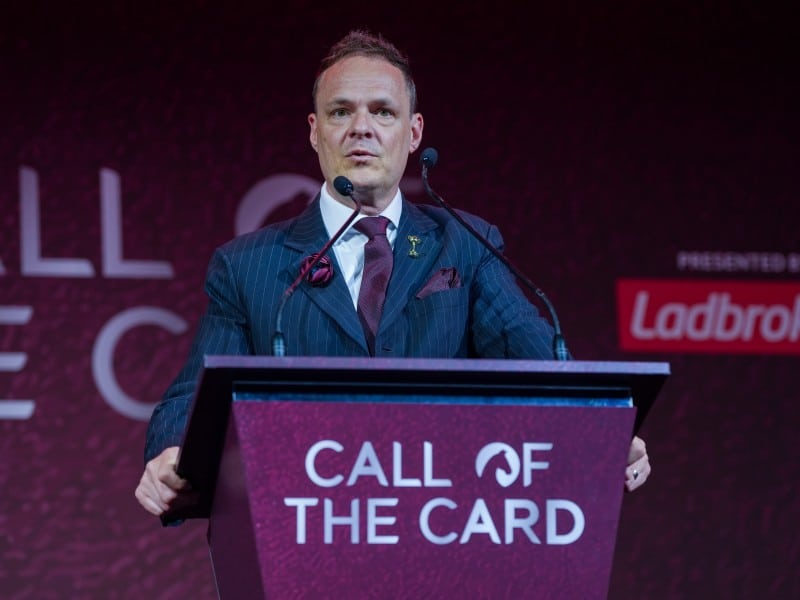
A $21.4 million reduction in costs over the past two years has seen Racing Victoria return to $773,000 surplus, the first positive financial result since Aaron Morrison assumed the role of chief executive in 2024.
Moonee Valley AGM welcomes McGrath to committee as club’s 2025/26 accounts go to members
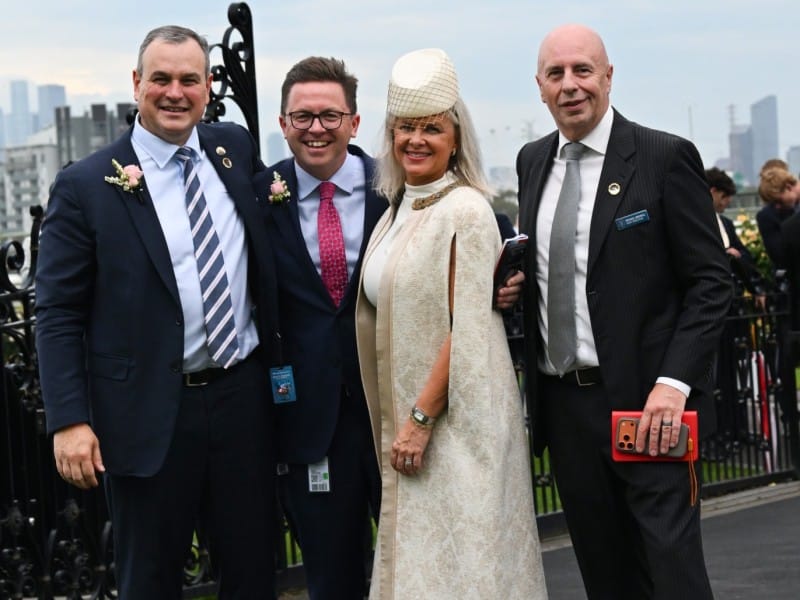
The confirmation of Michael McGrath’s appointment to the Moonee Valley Racing Club committee and the club’s 2025/26 annual report were on the agenda at this week’s annual general meeting.
Izzy Neale dies two days after Warren race fall
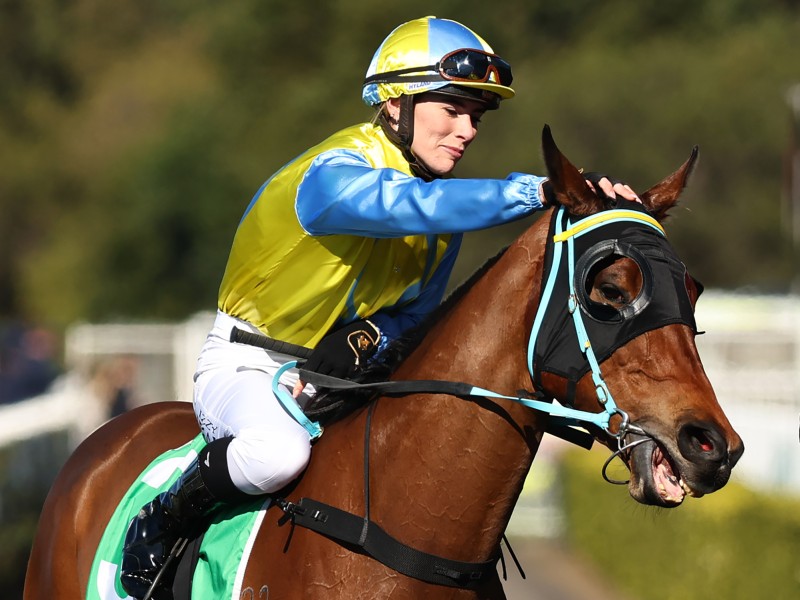
The family of jockey Izzy Neale has confirmed her death at age 22, two days after a race fall at Warren on Sunday.
