
Racing’s opportunity lies in its relationships – Julia Ritchie urges industry to go back to fuel the future
Former Australian Turf Club vice chair Julia Ritchie believes that racing needs to tap into its unique culture of family connections and lifelong friendships if the NSW industry is to move forward from the rancorous period caused by the fallout from the failed proposal to sell Rosehill racecourse.
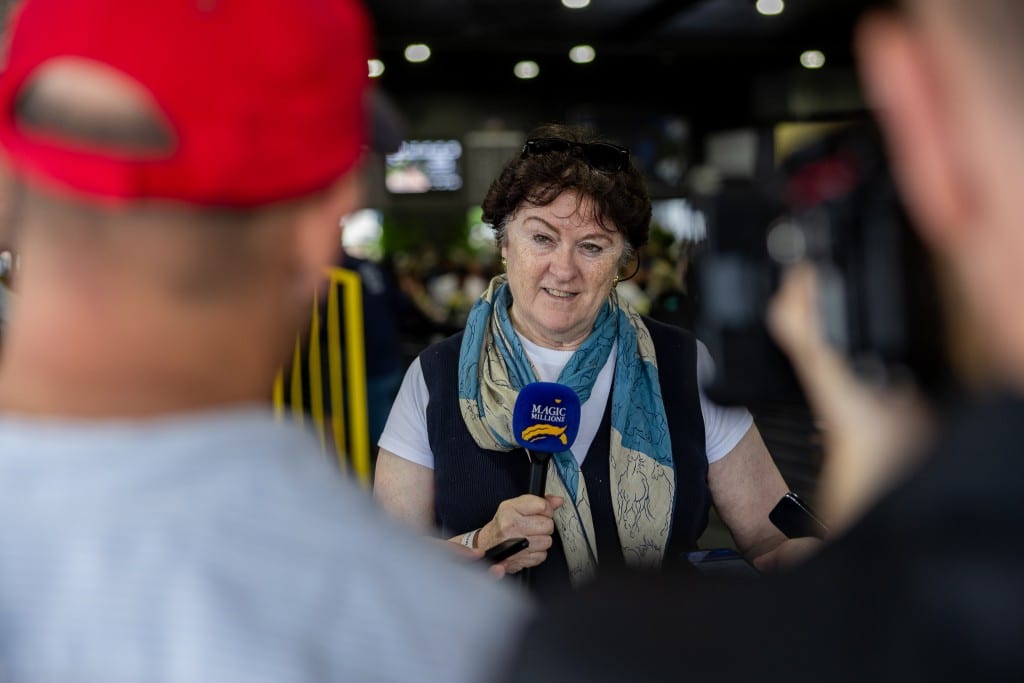
A year on from a divisive Rosehill members’ vote, and as the Australian Turf Club faces a crucial test of its right to independence in the NSW Court of Appeal, former long-serving board member Julia Ritchie believes relationships are key to getting the NSW industry moving forward.
Ritchie, who spent a total of 19 years on both the boards of the ATC and the Australian Jockey Club, was cast in a central role in the battle to preserve the future of Rosehill, leading a group that campaigned against the ATC’s $5 billion plans to sell off the industry asset.
This week marks the first anniversary of the historic vote by ATC members, which saw 56 per cent of those opt to retain the western Sydney racecourse and the Club’s biggest asset.
The fallout from that debate, which divided the NSW racing industry, led to a major split in the ATC board, the departure of the chairman and chief executive, and formed part of the reasoning behind Racing NSW’s decision to attempt to place the club into administration.
That process is still playing out, with the latest chapter set to go before the NSW Court of Appeal this week as the racing regulator challenges the Supreme Court’s ruling that Racing NSW had acted outside of its powers in attempting to appoint an administrator.
The failed Rosehill sale process also led to an explosive parliamentary inquiry, the consequence of which has been a review of the Thoroughbred Racing Act by former health minister Brad Hazzard.
Ritchie, who, as well as her former club roles, is actively involved in breeding and racing horses through her Bangaloe Stud interests, is on the steering committee of the Racing Reform Group, an industry body which has been campaigning for changes to the Act, and which has been lobbying Hazzard to expand the scope of his review.
All of the above circumstances, along with other ongoing issues, have created a febrile environment in the NSW industry.
But while she has been at the heart of the discussions calling for change and greater accountability, Ritchie wants the industry to work more closely together and rebuild relationships.
“It gets back to us getting back to basics in our relationships. And this industry is about relationships,” she told The Straight Talk podcast.
“I grew up in an industry that was closely based on relationships. And I hate to say it, the old gentleman’s agreement thing did work. It may sound fuddy-duddy, but it did work.”
“And I do think we’ve got the opportunity right now to actually start to rebuild a lot of those relationships between all the stakeholders, which I think are breeders, owners, punters, members of clubs, general public.
“We should be actually reconnecting with each other.”
Ritchie, who was busy investing in her broodmare band at the Gold Coast this week, making several major buyers and playing underbidder on several others, described the Hazzard review as a possible watershed moment for the industry in NSW.
Ritchie said she believes the investment in prize money, facilitated by PRAs like Racing NSW, has been a huge fillip for the industry, but there has also been a rise in horse prices and the cost of ownership.
That has led many people to opt for smaller stakes in horses, which has meant fewer people see a genuine upside from their ownership investment.
“It is still having that buy-in level, which people want to continue on with and end up having, not to sound overly greedy to get a bit of money out of it and participate in what is quite an amazing industry to be part of,” she said.
But she does believe there is a real opportunity for clubs and PRAs to engage more with younger audiences, who are looking for more than just a fleeting entertainment experience and to make social connections.
“Looking at younger generations, they are actually looking for somewhere where they can re-engage and participate, because they don’t actually have a lot of choices. And they do like coming to the races,” she said.
“It is the old tribal thing. But I think as race clubs, we need to develop them outside the carnivals to understand and come to lesser days and have just as much fun as you might on an Everest day or a Derby day or a Doncaster day.
“I mean, that’s where all our generation found that connection and we’re all friends now, years later.”
Ritchie said that connection and that feeling of being part of something were one of racing’s greatest assets. That is only enhanced by racing’s unique feature of having readily recognisable and relatable figures, often connected by family ties.
“We all look at the relationships of families and what their contribution is to the experience of breeding. We go through the breeding lines of who the first, second, third dams are, what they were brought to. That’s what we’ll do as participants in the industry generationally,” she said.
“You have Gai (Waterhouse) and Tommy (Smith). You have the Cummings crew, the Begg crew. It’s great to see that.
”And (Chris) Waller who’s setting the next generation. So I do think that’s where we’ll see and fill a big gap in the market in the community as well.”
She does have concerns that the breeding industry is becoming more polarised and that smaller- to medium-sized breeders are being forced to either downscale or exit the sector.
“I know we welcome the big buyers because they create the market when you’re a breeder. But the other side of it is you want more breeders to be commercial and that also leads to buying, and more people looking to improve your mare band, it’s still being able to invest in that,” she said.
“We’ve always relied on healthy competition. But, you know, with the advent of the big five (breeders), so to speak, which we do need, but we need to still be looking to develop that middle bandwidth and also the entry level.”
Author

Related Articles
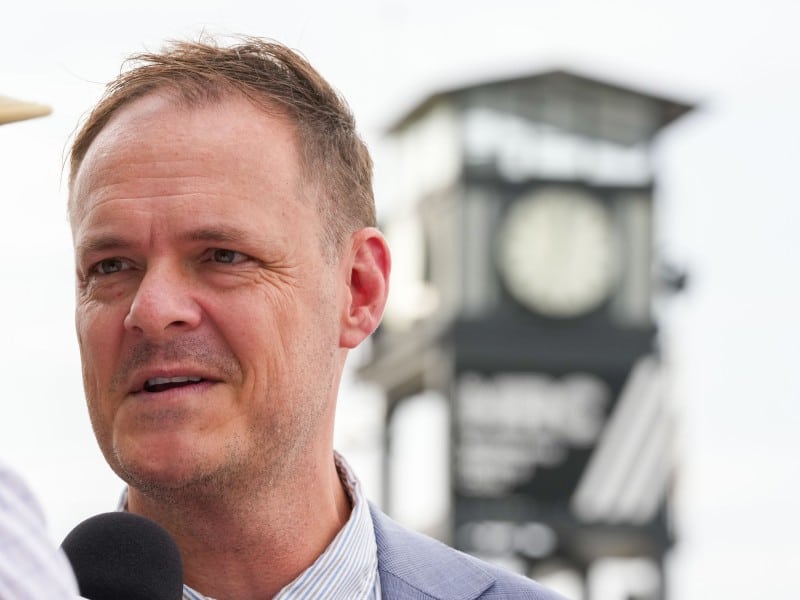
Powerful racing industry group heads to Canberra as wagering reform debate intensifies
The chief executives of Racing Australia, Racing Victoria, Racing NSW and Thoroughbred Breeders Australia will represent racing’s interests at a key Senate inquiry next week into the federal government’s proposed changes to wagering advertising laws.
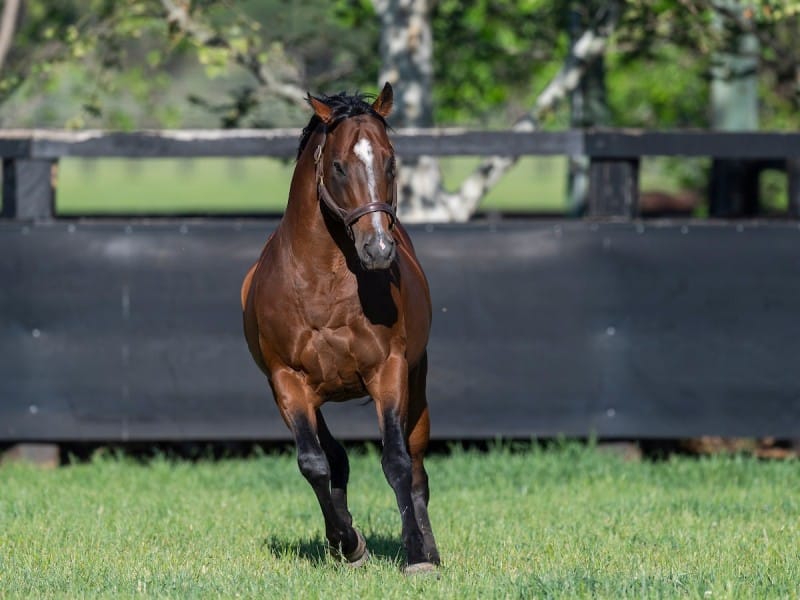
Snitzel reclaims sires’ title in posthumous premiership triumph
Champion sire Snitzel capped his final season in remarkable fashion, reclaiming Australia’s general sires’ title posthumously while Home Affairs, Bivouac and Proisir earned important recognition with their respective premierships.
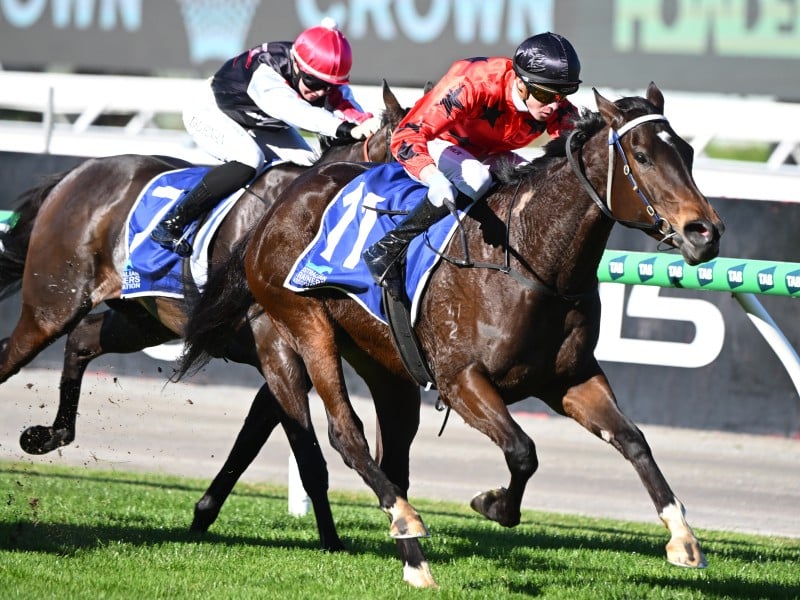
Member Exclusive Member Exclusive Marathon mindset – Mitch Freedman hits full stride in time for spring
Mitch Freedman has produced the finest season of his training career with fewer horses, proving a disciplined philosophy borrowed from an elite sporting team can deliver results on the eve of spring.
