
Rowe On Monday – Tariffs and the potential fallout, a widening gap in the US industry, Pattern priority for new TBA boss

In this week’s Rowe On Monday, Tim Rowe explores the effect of increased tariffs on global bloodstock, provides an insight into the state of play in the American industry and reveals the priorities for incoming Aushorse boss Andrew Hore-Lacy.
‘A massive step backwards’ – US tariff uncertainty
The world is in a state of flux, trillions of dollars have been wiped off global markets and there are claims America could be plunged into a recession as a result of President Donald Trump’s “Liberation Day” tariffs.
The President’s trade war, referred to by some as the “chart of death”, and the subsequent tit-for-tat particularly from China, has investors ducking for cover.
The Aussie dollar is at 61 US cents, its lowest since February 2020 at the onset of the pandemic, and the ASX 200 down 4.16 per cent on Monday at 12.30pm amid the global uncertainty.
Just what the tariffs – 10 per cent on imports from Australia and UK and 20 per cent for the European Union – means for the world’s bloodstock market isn’t clear, either.
The thoroughbred industry is being played on an increasingly global scale and the movement of horses, be it stallions, mares or indeed racehorses, is commonplace.
And America, as the largest breeder in the world, is a major part of the thoroughbred racing ecosystem.
Industry figures are still coming to terms with the potential ramifications of Trump’s economic iron fist.
Briton David Redvers, who operates stud farm Tweenhills in the UK and manages Sheikh Fahad’s Qatar Racing which has shares in stallions such as Widden’s Zoustar, has witnessed first-hand the impact of Brexit on the thoroughbred industry.
The added red tape caused by Brexit, when the UK voted to leave the European Union from early 2020, is onerous, to say the least.
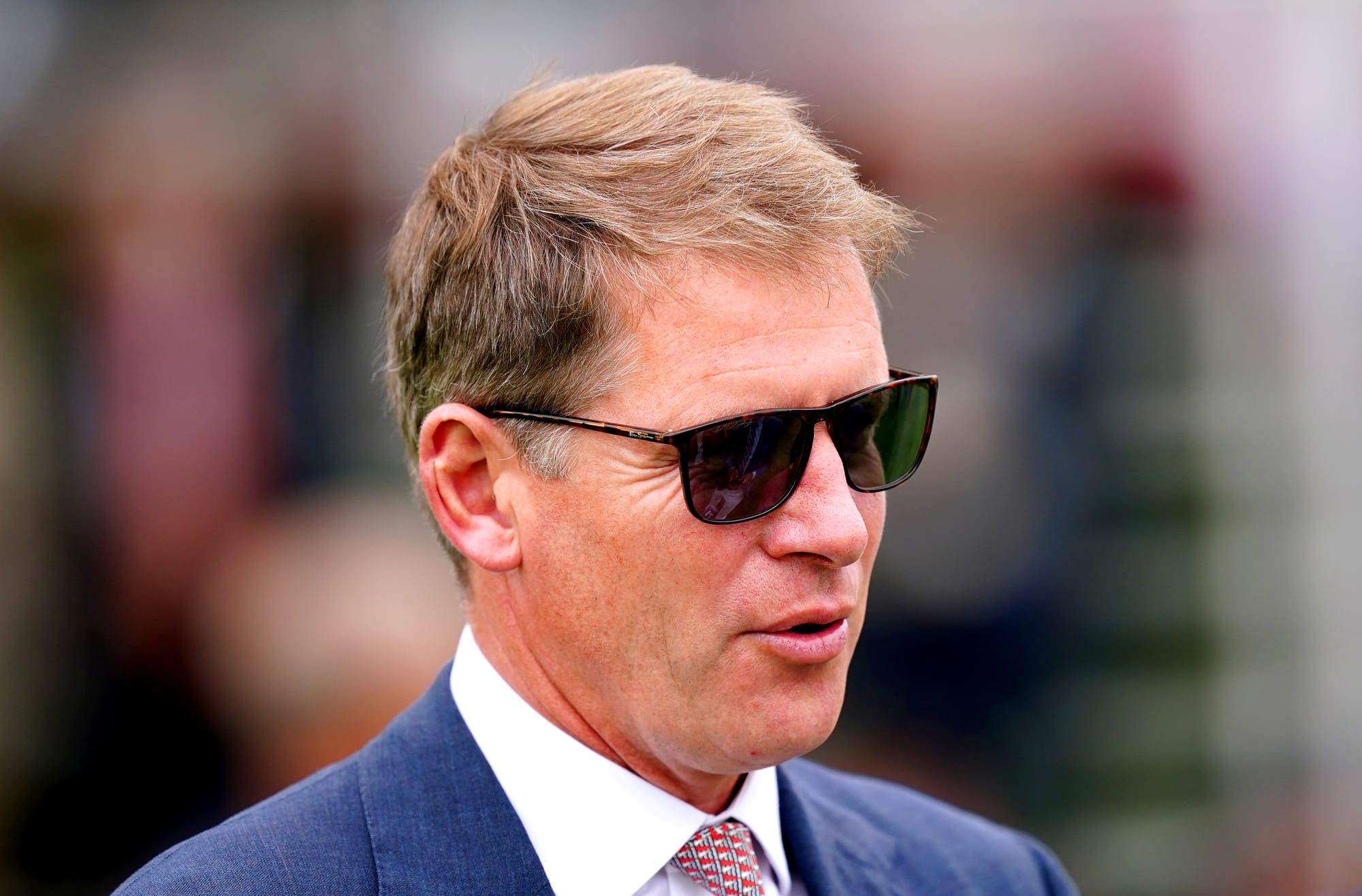
“It creates an awful lot of paperwork that wasn’t previously there. You wouldn’t call it seamless. And with that comes considerably more expense and the whole thing has become a great deal more clunky as a result,” Redvers told The Straight at the Inglis Easter sale this week.
“With regards to the American tariffs, we’re obviously all still feeling our way there. At the moment, it looks like the UK will be slightly better treated than Europe and they’re talking about 10 per cent versus a 20 per cent tariff.”
Redvers described the possible fallout from the tariffs as “a shocking thing for world trade” in the thoroughbred industry.
“It’s an industry that relies on movement of horses for competition to be at its strongest,” he said after buying a Pierro colt for Sheikh Fahad in conjunction with trainer Ciaron Maher for $500,000 on Sunday.
“Anything that makes that more difficult is clearly a massive step backwards. So, we’re all watching the news with trepidation and worrying about what the next crazy policy is going to be. Whilst no doubt the American President has his reasons, there are always unseen consequences from these sorts of decisions.
“And, undoubtedly, we as an industry are going to suffer.”
According to the Australian Stud Book, there were six mares imported to America last year – and others which were sent to Kentucky to be covered by sires such as Justify before returning Down Under.

Among them was the Gary Barber-owned Let’sbefrankbaby, a Group 3 winner in Australia for Robbie Griffiths and then-training partner Mathew de Kock.
Barber imported her to America and was sold for US$700,000 to Yulong’s Willingham Stud.
Presumably, Barber would have been hit with a 10 per cent tariff upon her landing in the US under the new regime.
Thoroughbred Daily News reported last week that around 10 per cent of trade through both France-based Arqana and English-based Tattersalls originates from the United States.
The US trade tariffs are set to come into place on April 9.
Polarised market at play the world over
Still on America’s industry, WinStar Farm’s Liam O’Rourke has been in Sydney over the past week as part of Widden’s promotional push of its new shuttle stallion, powerhouse sprinter Cogburn.
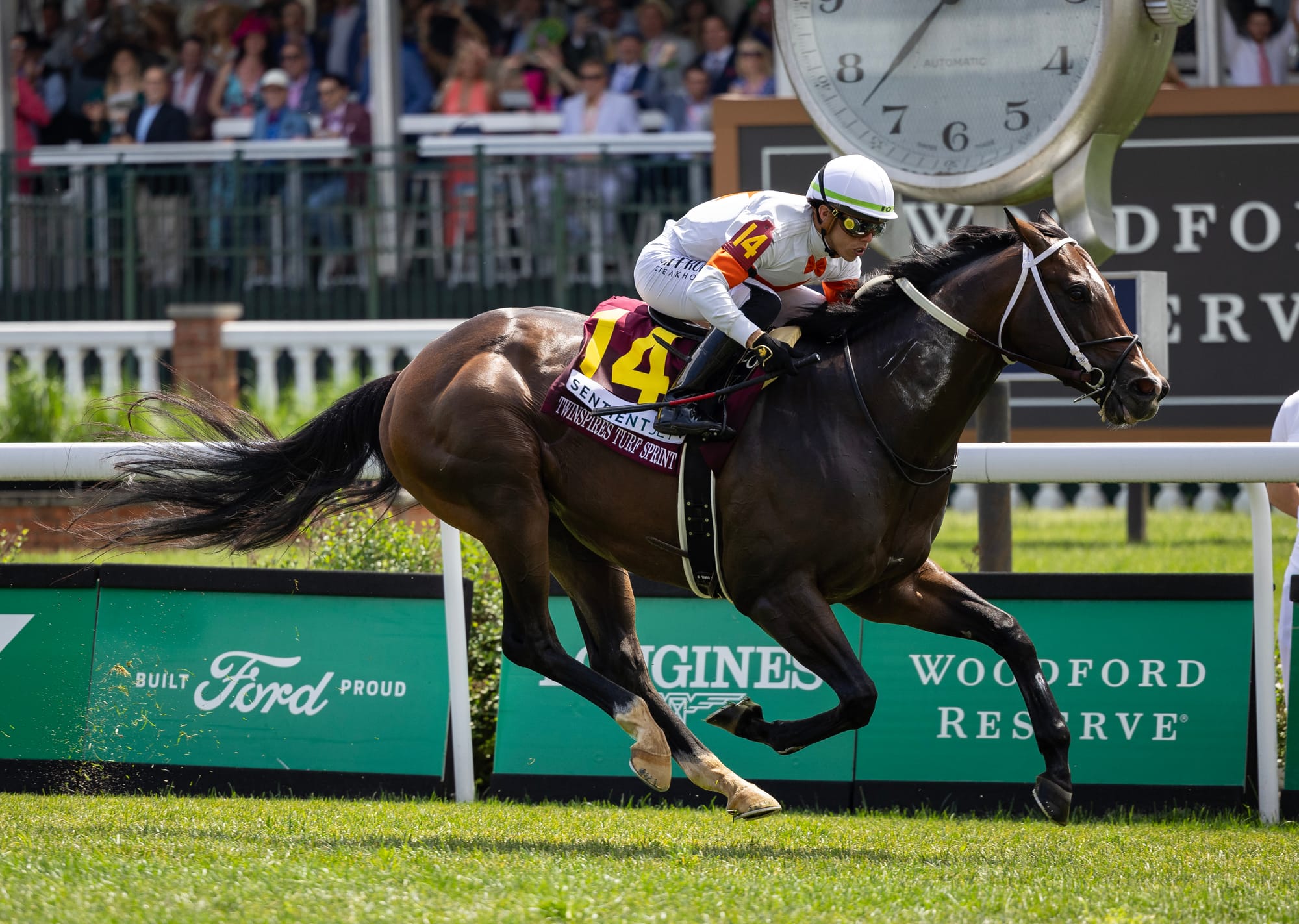
As conversation moved from the traits of Grade 1 winner Cogburn, who demonstrated exceptional speed on turf during his 16-start career over four seasons, the state of the American thoroughbred industry came up.
Interestingly, but perhaps not surprisingly, O’Rourke saw many similarities between the US racing industry and what was occurring in Australia.
The states with haves and have-nots were widening, particularly in the thoroughbred heartland of Kentucky where maidens are run for US$170,000 whereas other jurisdictions are conducting races worth a relatively paltry $30,000.
And that differential is flowing through to the yearling market, which has been evident at the Easter sale this week in a market aimed at a greater proportion of Australia’s wealthiest owners.
“It’s a very polarised stallion market and it’s a very polarised yearling market. If you have what they want, the perceived quality, you really get rewarded,” O’Rourke told the Straight Talk podcast.
As for Cogburn, a son of Taylor Made’s Not This Time, O’Rourke is confident that he will make an impression on Australia’s breeders, as has been the case at WinStar Farm in Kentucky this year.
“We got absolutely overwhelmed with the interest in him, covering a high number of mares this year, and a high-quality group of mares (at that).”
Cogburn’s fee of $27,500 (inc GST) was announced by Widden Stud’s Antony Thompson last week.
Pattern problem for new Thoroughbred Breeders Australia CEO
There won’t be much time for incoming Thoroughbred Breeders Australia/Aushorse CEO Andrew Hore-Lacy to get his feet under the desk.
Of utmost importance for Hore-Lacy, according to Aushorse chairman Antony Thompson, is the former head of horse racing at the Seven Network endeavouring to end the impasse over Australia’s broken Pattern system.
“Certainly from the board, we’d like to take a bit of a reset and look at everything Aushorse is doing and how it is doing it and why it’s doing it and what it could do better,” Thompson said.
“I think TBA’s in the same boat. I said to Andrew his first job he’s got is to fix the pattern, and if he does that he’ll be right for a little while.”
Achieving the seemingly impossible would certainly buy Hore-Lacy sometime after being appointed to the job over arguably some more experienced candidates.
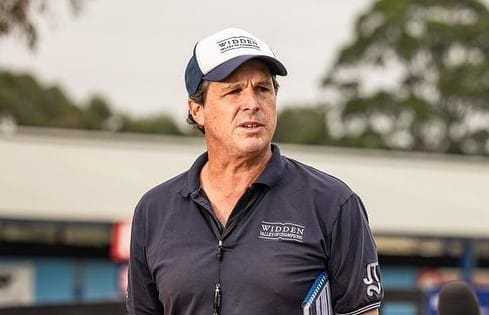
“First and foremost, Andrew is passionate and he loves racing and he’s passionate about the industry,” Thompson said.
“We interviewed some outstanding candidates; we had a really good list of applicants. But his passion and his energy was the one thing that really got me excited.
“There were probably candidates who could have been seen as a safer set of hands, guys who have probably been there, done that, and they’re at this stage of their life where they’ve been on big wages and big positions, and this was a bit of a step-down.
For Andrew, he’s done a lot in the media and television space, but this is a step up. But his energy and passion (won us over).”
Hore-Lacy, who will start in June, replaces Melbourne Racing Club CEO Tom Reilly.
Author

Related Articles
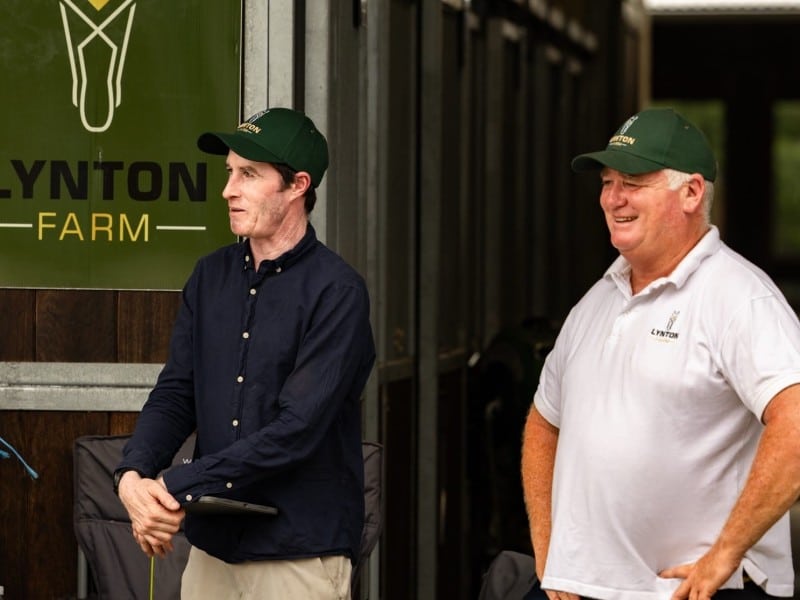
‘Darn buoyant’: Lynton Farm targets Classic impact with fledgling operation
Lynton Farm, the Southern Tablelands training base that produced Hellbent and Eckstein, has been reborn under new management, with Jonathan Scully and Jeremy Whale unveiling their second yearling draft at the Inglis Classic.
Written In the Stars – Gray Williamson, master of Mungrup, still
Amid the ups and downs of the thoroughbred breeding game, the coming, and going, of two champion stallions and personal upheaval, Gray Williamson remains content on the same Western Australian farm where he grew up. He tells Jessica Owers, there is much to be positive about.
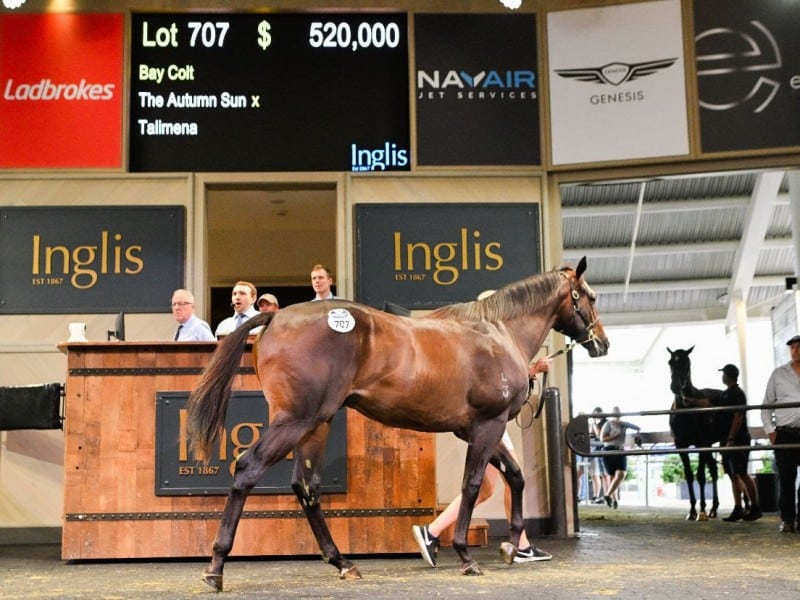
Clearance, broad engagement key factors for Inglis Classic Yearling Sale
Inglis heads into Sunday’s Classic Yearling Sale on the back of a steady start to the yearling season, with clearance rates and buyer engagement pointing to another competitive sale. Chief executive Sebastian Hutch says conditions feel much the same as last year.