
Run The Numbers – Dubawi’s influence prospers off limited opportunities
Broadsiding’s breakthrough Group 1 win for his sire Too Darn Hot puts the spotlight on Dubawi’s bloodlines in Australia. Run The Numbers breaks down the Australian influence of the Darley champion.
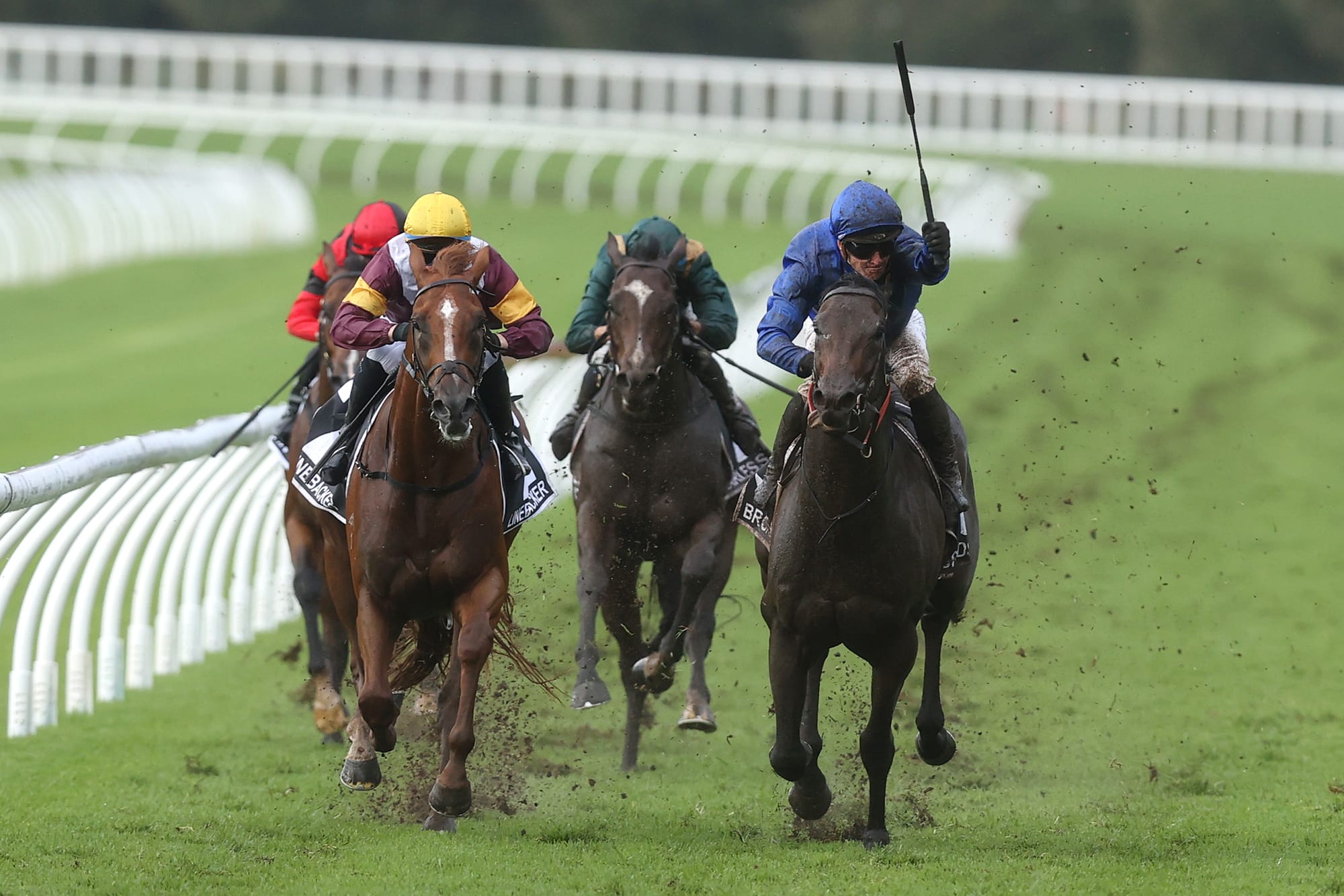
Dubawi’s time shuttling to Australia was restricted to just three seasons, 2006, 2008 and 2009, but his ongoing impact, both from those three trips Down Under and from his Northern Hemisphere base, continues to be felt, including in Saturday’s Champagne Stakes.
We say three trips to Australia, but it was actually four. He arrived in Australia on August 5, 2007, a couple of weeks before equine influenza hit Australia with such devastating effect on the Australian racing and breeding industries. He headed back to Darley’s UK base at Dalham Hall Stud two months later having not seen a mare.
The son of Dubai Millennium never proved hugely popular in his three seasons in Australia. He stood for just $16,500 in 2009 (having stood for twice that in his first two seasons), which when you consider his fee in the UK this year is £350,000 ($675,000), seems a huge opportunity missed for Australian breeders.
From his three Australian crops came 188 runners and 149 winners. Stakes success flowed at a rate higher than the 10 per cent considered to be elite, with 22 Australian-bred black-type winners and six Group 1 winners.
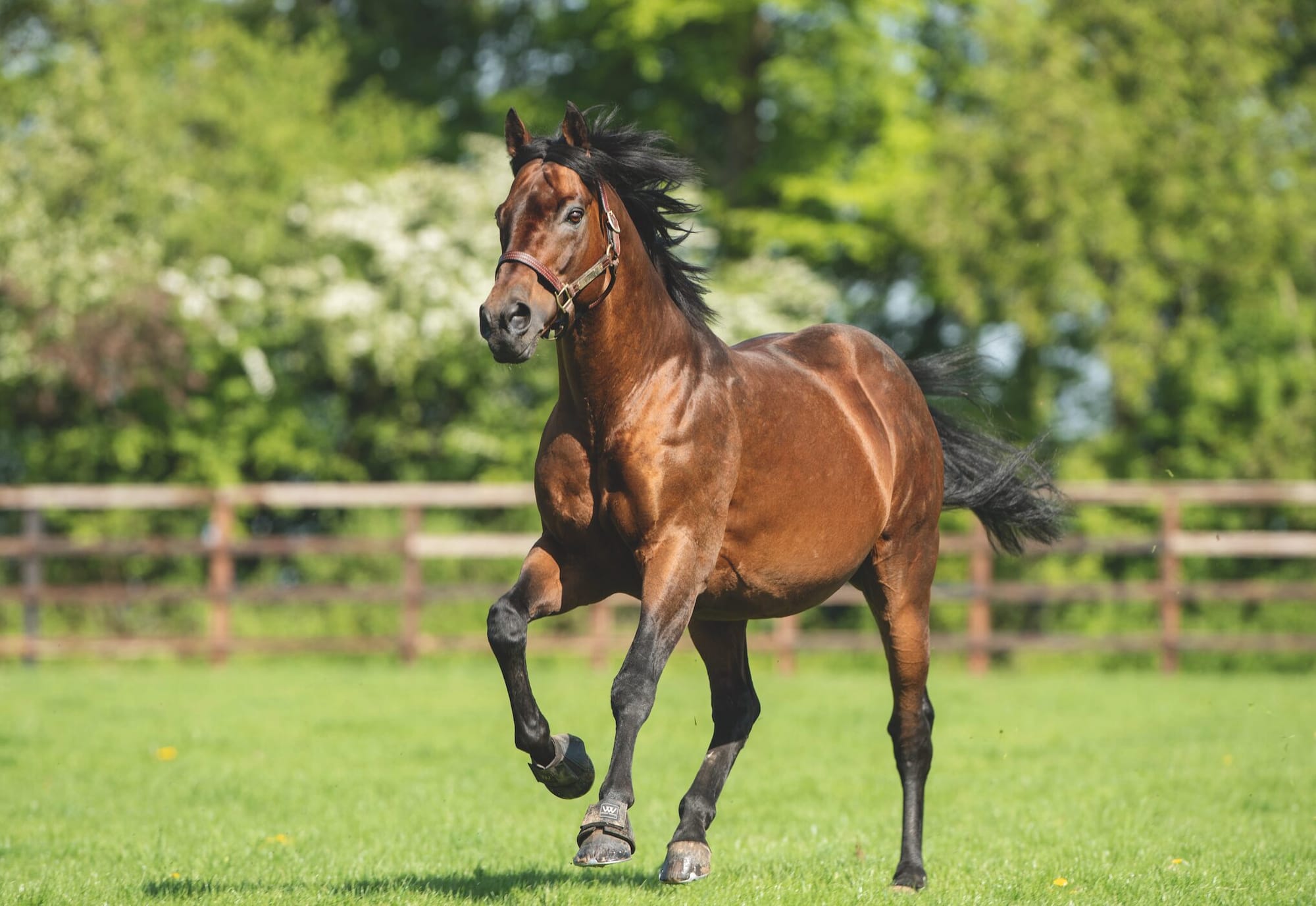
It is not unusual for a European shuttle sire to have his time travelling south truncated just as his first crops hit the track. Those who missed the Dubawi boat the first time around would have to console themselves with targeting some of his sire sons.
However, that has proven equally challenging.
Group 1 winners Night Of Thunder and Poet’s Voice both followed their sire to Darley in Australia and both were gone before they made an impression. Night of Thunder’s one Australian crop produced five stakes winners, including a Group 1 winner from 46 runners.
Poet’s Voice made five trips to Australia and produced five stakes winners, among them Group 1 winner Trap For Fools. Meanwhile, Makfi’s five seasons at Westbury Stud in New Zealand yielded 21 stakes winners from 256 horses, including three G1 victors, before he was sold to Japan.
Group 1-producing sons of Dubawi
After those relatively limited opportunities, the arrival of Dubawi’s triple Group 1-winning son Too Darn Hot at Darley’s New South Wales base at Kelvinside in 2020 was highly anticipated.
Carrying a moniker which pointed to the musical connection of his breeders Lord and Lady Lloyd Webber of Watership Down Stud, Too Darn Hot was a talking horse from the moment he hit the track. He won the Dewhurst Stakes at two and a deal was immediately struck for him to stand at Darley. He then won the Prix Jean Prat and the Sussex Stakes for John Gosden as a three-year-old.
Aside from being the son of one of the world’s best sires, Too Darn Hot also carried enormous appeal on his dam side. His grandam Darrara, bred by the Aga Khan, had been a foundation mare for the Lloyd-Webbers when they purchased her in 1994.
By the time they got her, she had already produced a future Australian Group 1 winner, Darazari, in 1993, while three more Group 1 winners would follow, River Dancer, Rewilding and Dar Re Mi. The latter of that trop is the dam of Too Darn Hot. In all, 11 stakes winners are descended on their dams’ sides from Darrara, while there are seven stallions.

On Saturday, Too Darn Hot became the first of Darrara’s descendants and the third son of Dubawi to sire a Group 1 winner in Australia when Broadsiding won the Champagne Stakes.
The James Cummings-trained colt, from Too Darn Hot’s first Australian crop, is out of a mare by another Darley shuttle sire of huge influence, Street Cry, who now has 11 Australian Group 1 winners in that role.
Broadsiding’s win sets up his own career as a Darley stallion as the only colt to have won a Group 1 two-year-old race in Australia so far this season. Every colt which has won the Champagne Stakes since 2009 has gone onto stud.
That is some long-term insurance against Too Darn Hot following his own sire’s footsteps and becoming too valuable to shuttle.
While he has made a formidable first impression in Australia with eight winners from his first crop, in the Northern Hemisphere, he has had 34 winners and five stakes winners, among them Group 1 winner Fallen Angel.
Too Darn Hot is expected to be among the names on Darley Australia’s 2024 roster when it is announced over the next week, although it was certainly a topic up for discussion at the recent Easter Yearling Sale.
Average Australian yearling prices over first two crops, Dubawi and his sons
His shuttling future is complicated by the fact that he is not a whole Darley owned stallion, meaning the Lloyd-Webbers have considerable influence over his itinerary.
A first-crop Group 1 winner will certainly help in terms of attracting a strong Australian book at what is expected to be a boosted Australian service fee from the $44,000 he has stood for in his four seasons so far.
Commercially, his progeny have also done well at the sales with an average of $233,000 for his second Australian crop higher than that achieved from his first crop, which was $184,361. His top-priced colt this year sold for $1.9 million.
Comparatively, his sire Dubawi never hit the jackpot commercially in Australia. His first local crop averaged $49,724, while the market had to wait for his second, due to that missed year in 2007, and that crop averaged only $57,670 in 2011. It probably didn’t help that the yearling market had crashed post GFC.
WATCH: Broadsiding winning the Champagne Stakes
The market is more compelling, and more immediate, than racetrack success in determining the future of shuttle sires but Broadsiding’s win certainly makes an argument for Too Darn Hot continuing to travel.
There are other avenues for Dubawi’s bloodlines in Australia. Darley’s Ghaiyyath’s first crop are yearlings and will be closely watched when they hit the track next season. Dubawi’s other sons Akeed Mofeed and Wilful Default both serve small numbers, as does Scorpz, who has him as a damsire.
In New Zealand, Dubawi’s son Time Test has made strong progress with his early crops, while Makfi’s Savile Row is active at Mapperley Stud.
The 2024 season sees Woodside Park bring Dubawi’s Group 1-winning son Benbatl to Australia, while multiple Group 1 winner Militarize, whose dam is a daughter of Dubawi, will likely debut at Newgate.
Dubawi’s only Australian-bred Group 1 winning colt, Willow Magic, stands at Blue Sky Thoroughbreds in South Africa, and has been a Grade 1 producer.
All data courtesy of Arion.co.nz
Author

Related Articles
Le Metayer looks to repeat Mr Monaco formula with latest Tatts purchase
Cambridgeshire winner Pierre Royal is the latest European import set to head to Ciaron Maher, with Astute Bloodstock paying 375,000 guineas for him at the Tattersalls Autumn Horses in Training Sale.
Rowe on Monday – Farnan flying in Hong Kong, Rebel’s improving cause and Moroney seeks Defining moment
In this week’s Rowe On Monday, James Cummings gets things going for both himself and an Australian sire in Hong Kong, Rebel Dane on the up and Paul Moroney on the hunt for European talent.
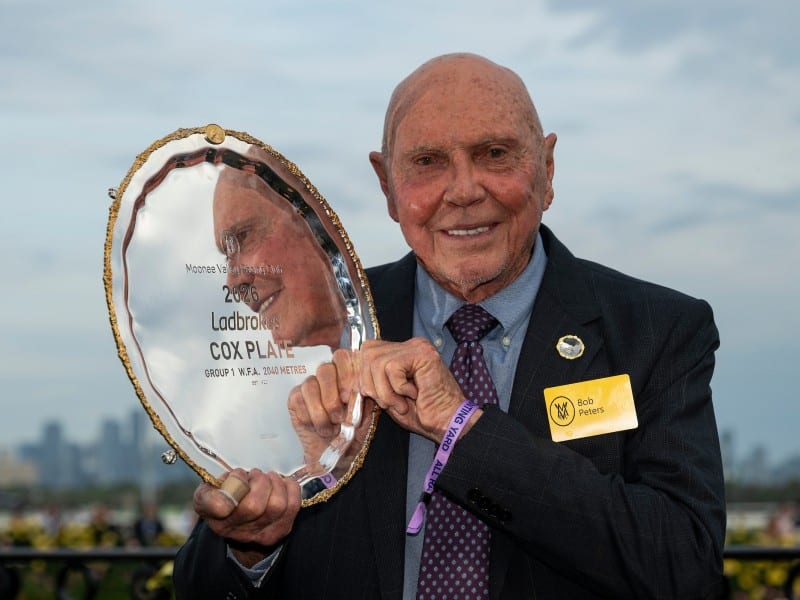
A Cox Plate-winning Cosmic cocktail – A Japanese sire, a Kentucky Derby-winning damsire, a French phenomenon and 19 generations of Australian mares
Bob Peters’ will be rightly credited for the breeding inspiration behind Cox Plate winner Cosmic Crusader, but there is complex and fascinating backstory which lies in the pedigree of the latest star in the cerise and white silks.
