
RWWA’s sustainability front and centre in major industry review
The future financial sustainability and governance of Racing And Wagering Western Australia are firmly in the sights of a key review by the Roger Cook-led state government, which has released its terms of reference for the inquiry.
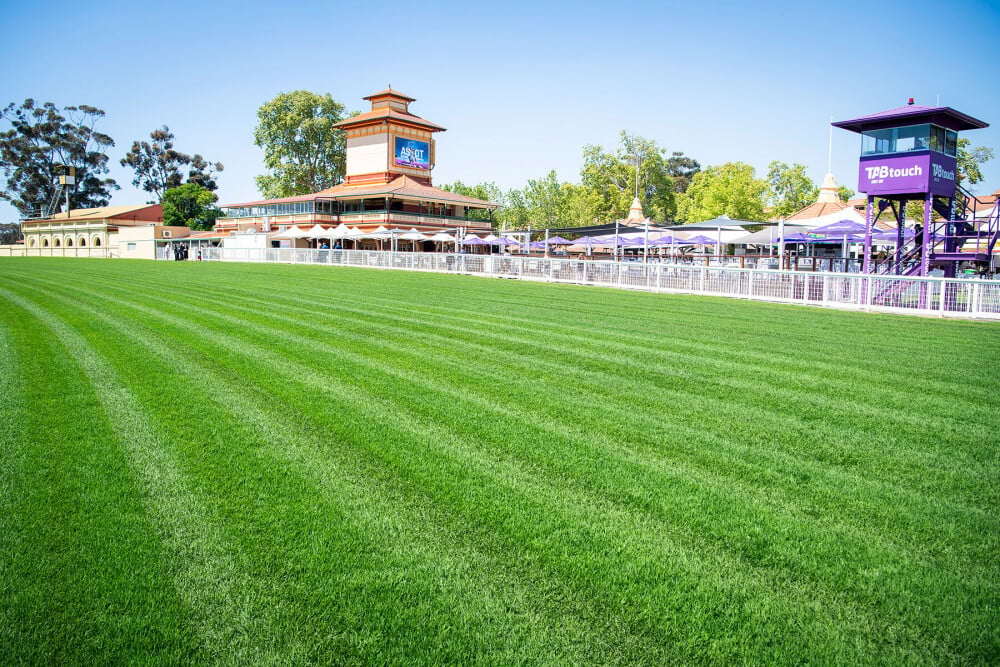
Racing and Wagering Western Australia (RWWA) will undergo a detailed review of its finances, governance, and long-term sustainability as part of a state government review that invites key industry stakeholders and the public to provide input.
The Cook government has opened public consultation and released a discussion paper outlining the key issues under scrutiny, including RWWA’s revenue streams, operational costs, asset management, and regulatory performance.
Most of the terms focus on RWWA and the financial sustainability of its operating model, as well as how it is governed and regulated amid structural changes in wagering, racing participation, and revenue generation.
In addition to the review’s terms of reference, the paper outlines what will be investigated, how submissions can be made, and the issues stakeholders are being asked to address.
Its primary objective is to identify options to improve RWWA’s long-term financial position while assessing the impact of potential reforms across metropolitan and regional racing.
The review was commissioned in December in response to monetary pressures facing RWWA.
Racing Minister Paul Papalia announced the review as months of industry unrest came to a head that included a meeting between RWWA officials and a group of WA’s most prominent trainers.
Its scope includes a detailed examination of RWWA’s revenue base, which has come under pressure from declining returns from traditional wagering and increased competition from online and interstate betting operators.
The review will analyse key revenue sources, including WA TAB wagering, the Point of Consumption Betting Tax and the Racing Bets Levy.
It will be led by the former Labor MP David Templeman, along with Professor Warren Harding, who have been directed to explore RWWA revenue diversification beyond traditional wagering, including digital initiatives and commercial partnerships.
Expenditure is explicitly in scope, with the review examining RWWA’s operational and capital costs to determine whether spending levels are sustainable and sufficiently flexible to respond to revenue volatility.
This includes scrutiny of funding allocations across racing codes, infrastructure, integrity functions, administration and prize money.
RWWA’s balance sheet will be assessed, including the extent to which its physical and financial assets support industry and government objectives.
Governance is also a major pillar of the review, with the terms of reference calling for an assessment of RWWA’s board structure, accountability arrangements and strategic direction.
A specific issue for examination is whether the Racing and Wagering Western Australia Act 2003 should be aligned with the Government Trading Enterprises Act 2023.
Such alignment could change RWWA’s regulatory framework, reporting obligations and accountability to government.
The review will also assess RWWA’s ability to meet legislative and regulatory obligations, including those relating to integrity, gambling regulation and anti-money laundering.
Beyond RWWA itself, the terms of reference require assessment of how financial or governance reforms would affect racing participants, clubs, regional communities and employment.
“This review matters,” the discussion paper says.
“The racing sector contributes $1.3-1.4bn to WA’s economy each year and is estimated to support more than 10,000 jobs, with significant flow on effects to country towns and regional communities.
“The review will focus on the long-term financial sustainability as well as fair, ethical and transparent racing and wagering, digital platforms and strong governance and compliance of processes across the thoroughbred, harness and greyhound codes across the state.”
Among the questions the discussion paper asks participants to consider is for them to identify the most significant financial pressures facing the industry and propose options to improve sustainability.
The paper also seeks views on whether RWWA and racing clubs are positioned to innovate digitally, particularly in media, broadcasting and customer engagement.
On governance, contributors are asked whether RWWA’s current structure supports fairness, transparency, accountability and industry confidence.
The questions extend to board capability, organisational culture and the effectiveness of current decision-making arrangements.
Infrastructure planning and utilisation are also raised, including whether existing facilities align with future industry needs.
Prize money, participation levels, workforce sustainability and barriers to growth in metropolitan and regional racing are also on the agenda
The sustainability review will not address operational issues, such as workplace health and safety and animal welfare.
Written submissions must be lodged by midnight (AWST) on Sunday, March 8.
In addition to written submissions, the independent reviewers will consult directly with stakeholders through meetings and targeted engagement.
Related Articles
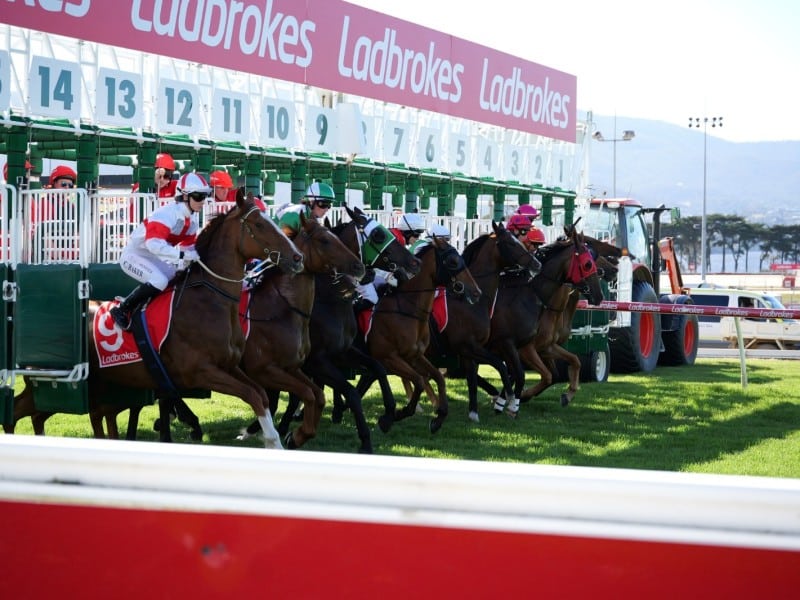
Caught short – Investigations launched over Hobart Cup distance bungle
Multiple investigations have been launched into a blunder which saw one of Tasmania’s biggest races, the Hobart Cup, run short of its advertised distance on Sunday.
A voice for all ages – how John Tapp became a podcast pioneer in Australian racing
The Australian thoroughbred industry has gradually found its voice in the digital age. But it is not an influencer or a Gen Z star who is leading the way. Instead, it’s one of the industry’s most recognisable and enduring personalities who is proving it’s never too late to learn something new.
Ex-greyhounds chair, prominent businessman fill vacancies on Racing Victoria board
Two vacancies on the Racing Victoria board have been filled by the state’s racing minister, with Jonathan Hardwick and Peita Duncan appointed to the Tim Eddy-led body.