Straight Up – Group 1 revamp puts a spring in Sydney’s quest

The unabashed ambition of New South Wales racing authorities when they announced The Everest in February 2017 was to confirm Sydney as the racing capital of Australia.
Seven-and-a-half-years later, this ambition is, by at least one major measure, set to become a reality, with New South Wales to surpass Victoria when it comes to Group 1 races staged.
While we await final details from Racing Australia, based on media reports Sydney will get five new Group 1 races, while Melbourne will get one extra. It will mean that New South Wales will feature 34 elite races each year, surpassing Victoria with 31. It’s just one metric, but an important one, nonetheless.
What is also significant is the timing of these Group 1s. The scheduling battle between the states has been over key spring slot. Assuming this new calendar comes to fruition, Sydney will get all five of its Group 1 races in the spring, while Melbourne will get one in the autumn.
In Australian racing’s great rapprochement, Racing NSW seems to have got an astonishingly good deal.

There was substantial risk taken by Racing NSW is formulating The Everest concept, and its reward for that risk is a suite of sprint races, four in all, set to be given Group 1 status.
It is a concept that has spawned a host of slot race imitators across all codes around Australasia, the likes of The Quokka, The Eureka, The Phoenix and The Archer.
Matt Stewart has delved into the slot race concept and pointed out the race that The Everest was based on, The Pegasus, has been far from the success that its imitators have been.
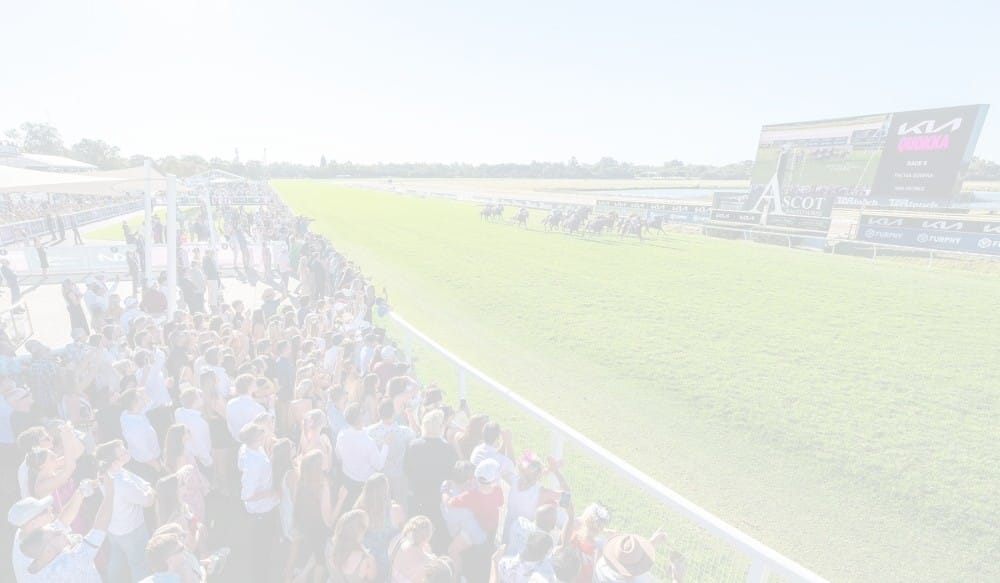
With Australia likely to move to 80 Group 1 in a season, it remains in second when it comes to elite races staged per country around the world, behind the United States on 108, and with twice as many as the third placed country, Argentina.
This week’s Run The Numbers looks at the spilt of Group 1 racing across countries by a few differing measures to see whether the Australian Pattern is out of step with what happens globally.
Our recently appointed senior journalist Tim Rowe will be delivering a weekly column called Rowe on Monday, which will examine the major trends and news stories from the bloodstock and breeding industries, through the prism of the week’s racing.
This week, the success of shuttle stallions is in the spotlight as well as the conundrum facing those who decide to keep or sell a promising horse.
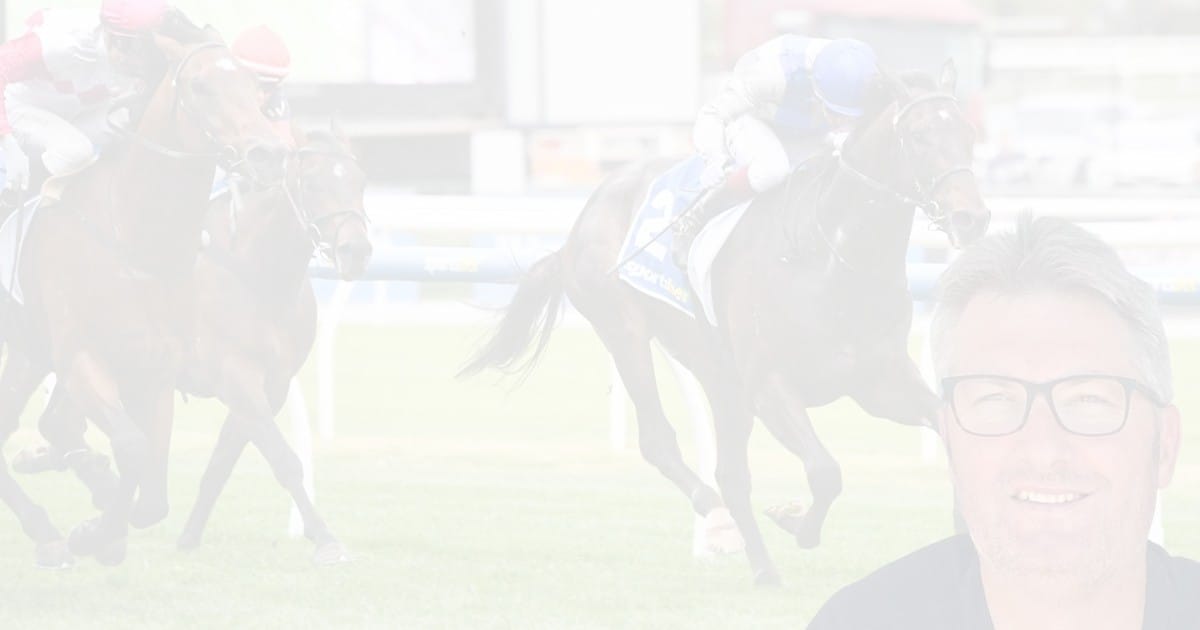
Monday saw the running of the first major set of two-year-old trials for the season, and it proved a successful one for two stallions with their first crop juveniles stepping out for the first time.
For at least one of those sires, Vinery-based Ole Kirk, it led to a rush of nominations.
In racing politics, a written submission to the Rosehill parliamentary inquiry by Racing NSW has raised some concerns from the Select Committee, who want it referred onwards for ‘possible contempt’.
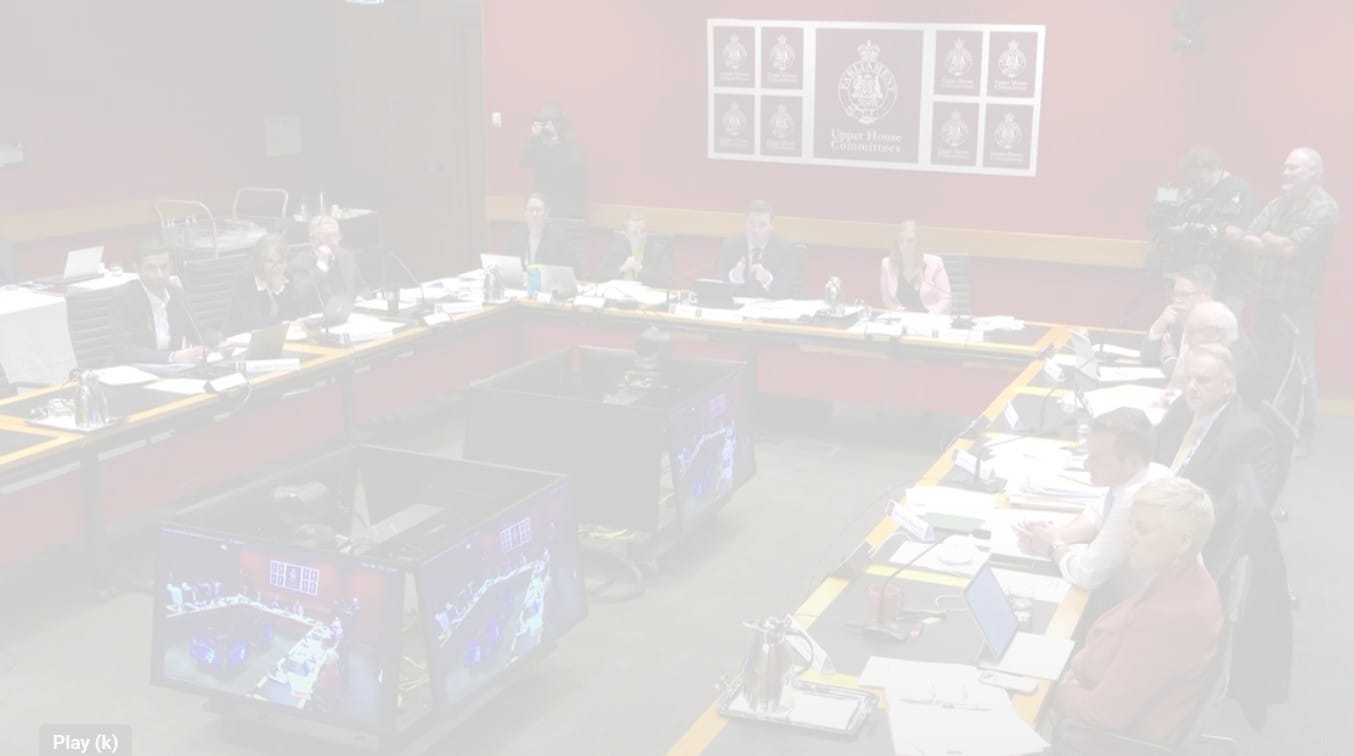
‘Utmost seriousness’
Special Report recommends Racing NSW submission be referred for ‘possible contempt’
Meanwhile, with the possibility of two vacancies opening up on the Racing NSW board later this year, Racing Minister David Harris has called for expressions of interest for new members.
And in Canberra, a move by the Greens to stop a key funding source for racing in the national capital has come unstuck ahead of next month’s ACT election.

Thank you for your continuing support of The Straight. We hope you are continuing to enjoy our coverage of the racing, wagering and breeding industries. If you have a story which you think we should be pursuing, please contact editor@thestraight.com.au.
Regards
Bren O’Brien
Managing Editor and Founder
The Straight
Author