Straight Up – Is politics failing the racing industry?

There is, rightly, plenty of scrutiny on the major decision-makers in the racing, wagering and breeding industries.
Those empowered and entrusted to plot the future direction of thoroughbred racing in this country must consider all aspects of their actions and accountability is very important.
But what about the accountability of those from ‘outside the bubble’, those who make major decisions that impact the broader racing industry – our state and federal politicians?
It is easy to make a case that currently, across Australia, politics is failing the racing industry.
The re-appointments to the Racing Victoria board by the Victorian racing minister Anthony Carbines is a shining example.
Since the departure of previous chairman Brian Kruger last June, there has been a long period of leadership uncertainty at board level, compounded by the departure of chief executive Andrew Jones.
The pursuit of Gillon McLachlan as a potential chairman was an embarrassment. Carbines wanted Gill, but the former AFL chief executive played hard-to-get, and left RV at the altar.
Meanwhile, the world knew three months ago the identities of the two men chosen to fill vacant spots on the board: Mark Player and Tim Rourke. Carbines only confirmed that publicly on Friday.
 Warwick Barr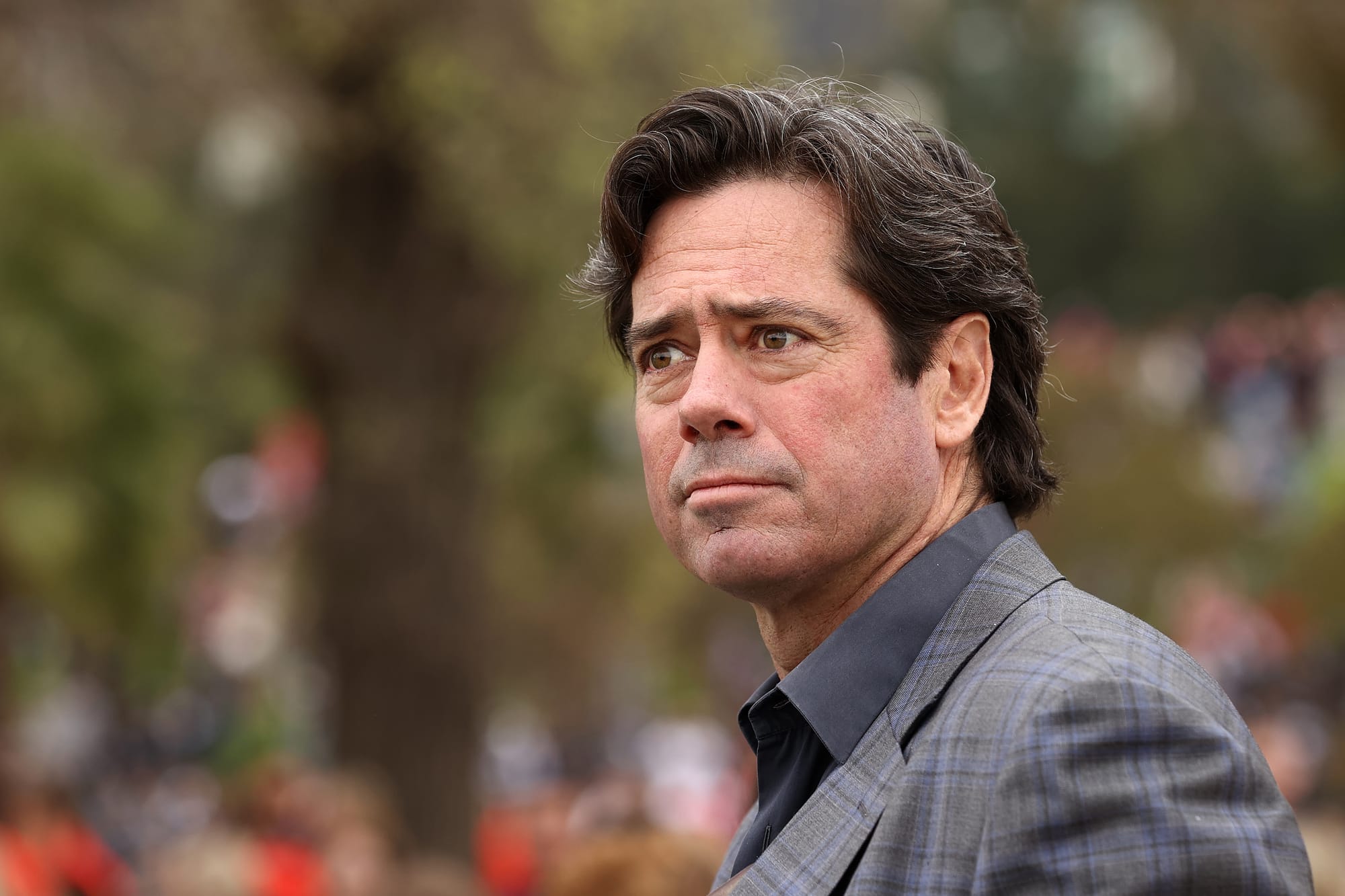
The board has been operating a couple of cylinders short at a time when the industry is confronting a funding crisis.
As for the identity of the chairman, well, we’ll know that in a couple of weeks, but it is very likely that Carbines and his department have spent 12 months looking for someone who was already on the board. What a palaver!

In Queensland, this week’s budget projections that wagering taxes will exceed last year’s expectations have raised eyebrows from wagering and racing insiders.
While the rest of the states have been downgrading their Point of Consumption Tax projections, Queensland Treasury has backed in extra growth, despite the fact it is more exposed to a wagering downturn given it has a higher Point Of Consumption Tax than elsewhere.
Bren O’Brien
We’ve asked the Treasury how they got to those numbers – no reply as yet – but the suggestion from those inside wagering companies is that the projections can not be based on wagering data and they do not reflect reality. It is a not insignificant $182 million difference of opinion.
Keep an eye on The Straight for further coverage of this story. It is another example of the disconnect between governments and the racing and wagering industry.
It is little wonder then that there are plenty of questions to arise out of the other big story of the day, the decision by the NSW government to review the deal it has with Tabcorp.
NSW treasurer Daniel Mookhey confirmed that Tabcorp has approached him to discuss what it would take to get out of its current exclusivity deal, which runs until 2033.
Bren O’Brien
This is a major decision by any government, reportedly around $700 million.
The funding model and the poor financial state of race clubs has been put under the spotlight because of the Rosehill sale saga, while the likelihood of a further POCT increase will have massive ramifications.
One would hope it is a responsibility that the Minns government would take seriously, but the way it has handled itself over the Rosehill issue doesn’t exactly fill you with confidence.
Back to Victoria, and the future of Sandown is also part of a current state government consultation process, while another tier of government, the local council, has raised concerns about flooding if the course is redeveloped.
Warwick Barr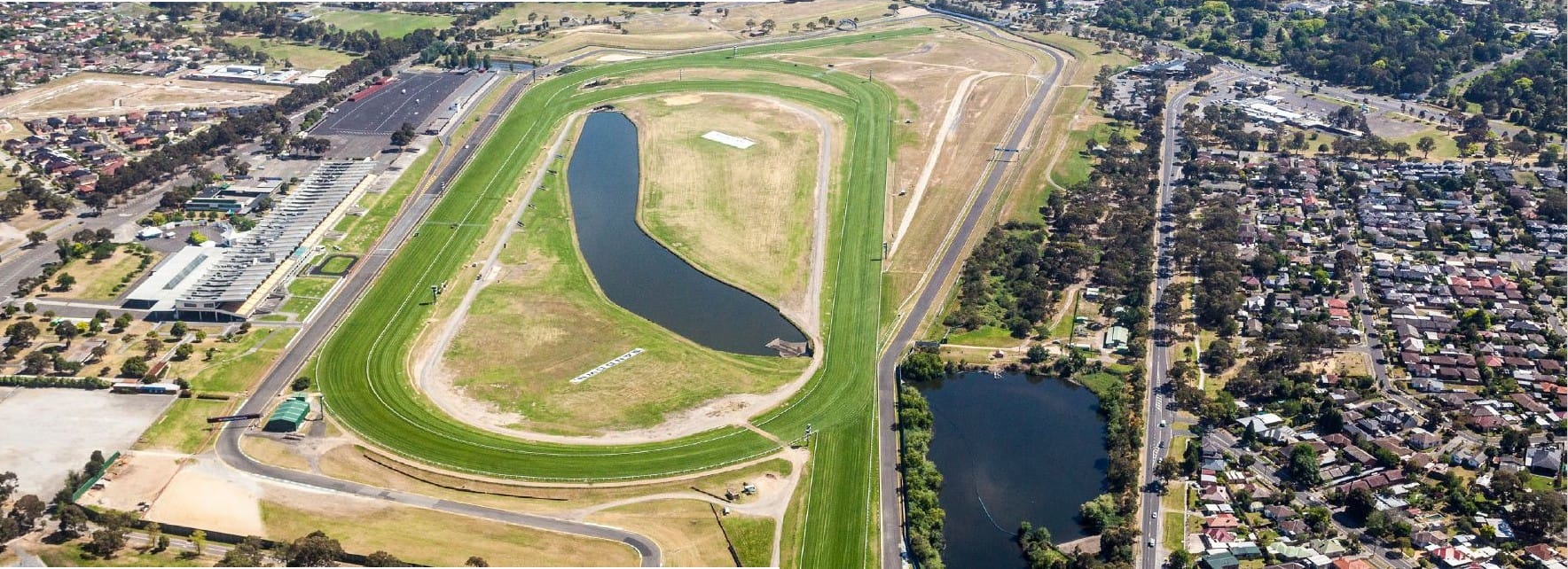
It been quite the week for Tabcorp, still without a CEO and having received a $370,000 hit over charges of allowing a minor to gamble in Victoria.
On the track, the Stradbroke Handicap takes centre stage and Stefi Magnetica is looking to emulate her dam, Mid Summer Music, in winning what is arguably Queensland’s most famous race.
Warwick Barr caught up Mitch Cunningham about plans for the filly and the ambitions of Cunningham Thoroughbreds and its Ridgmont breeding arm.
Warwick Barr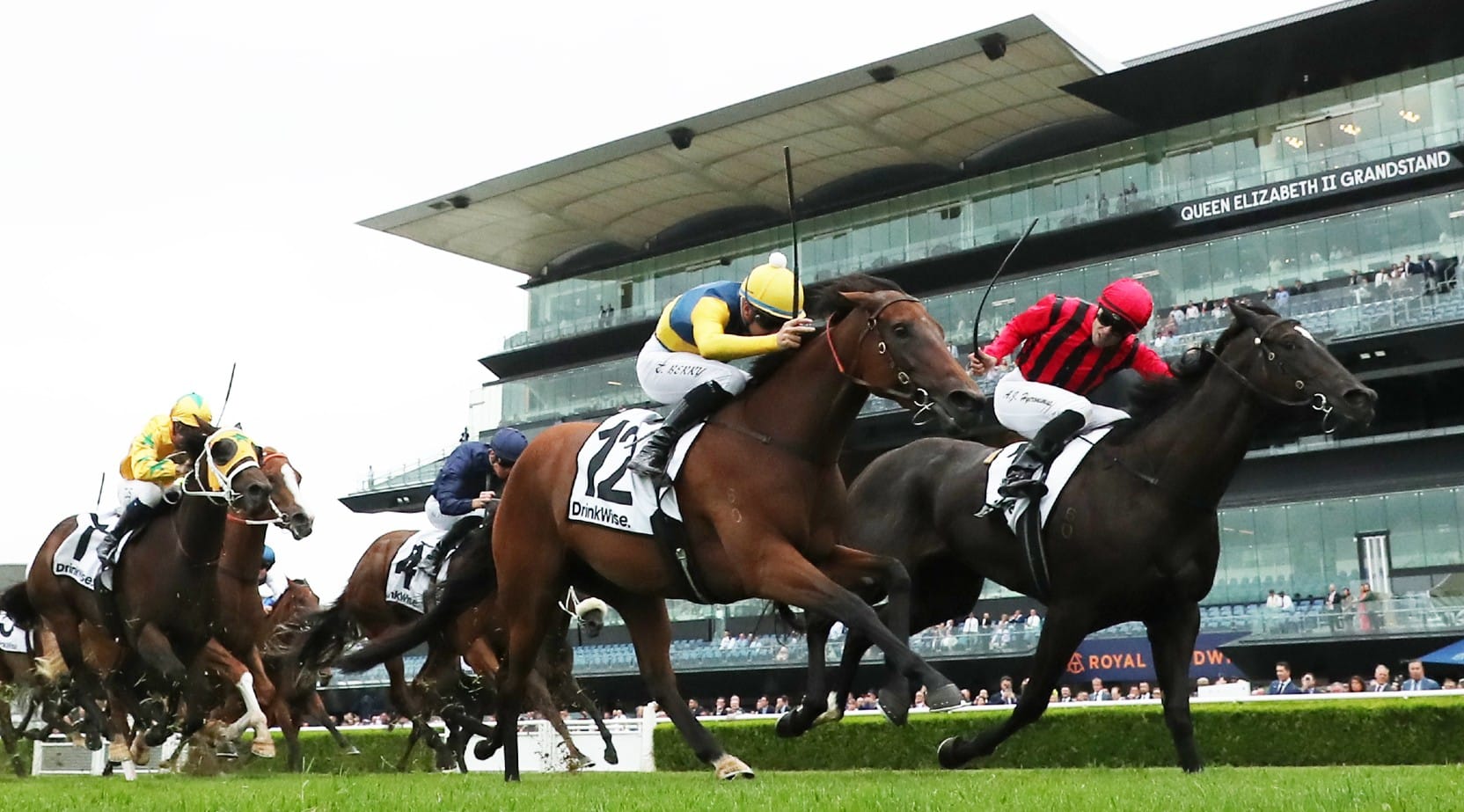
Speaking of the bloodstock game, it’s been a record-breaking week for Widden Stud’s Zoustar, with a share sale through Inglis Digital valuing him at $78 million.
Julia Ritchie paid $1.3 million for a 1/60th share in the champion stallion.
Warwick Barr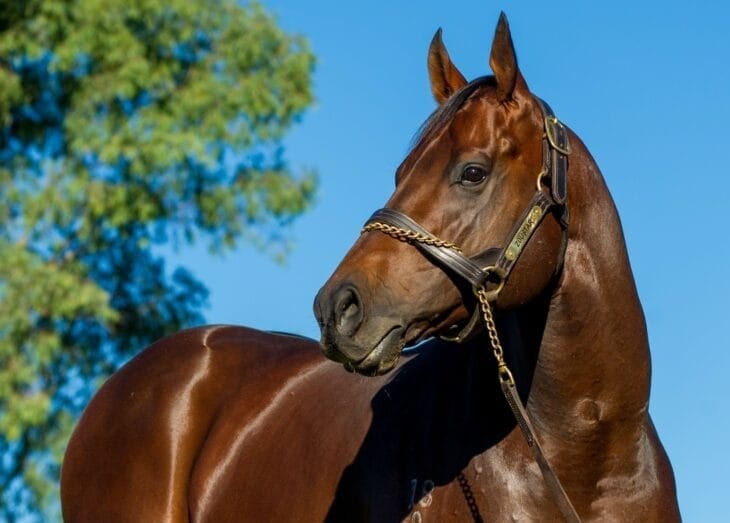
Meanwhile, a $525,000 filly by Frankel highlighted the first day of the Inglis Great Southern Sale in Melbourne, which rounds off the public auctions for the current racing season.
It’s been a busy week. Enjoy your racing weekend.
Regards
Bren O’Brien
Managing Editor and Founder
The Straight
Author