
Suffixation – Are European imports taking the air out of Australian racing?
Over the past seven years, the number of thoroughbreds imported annually to Australia from Europe has more than doubled.
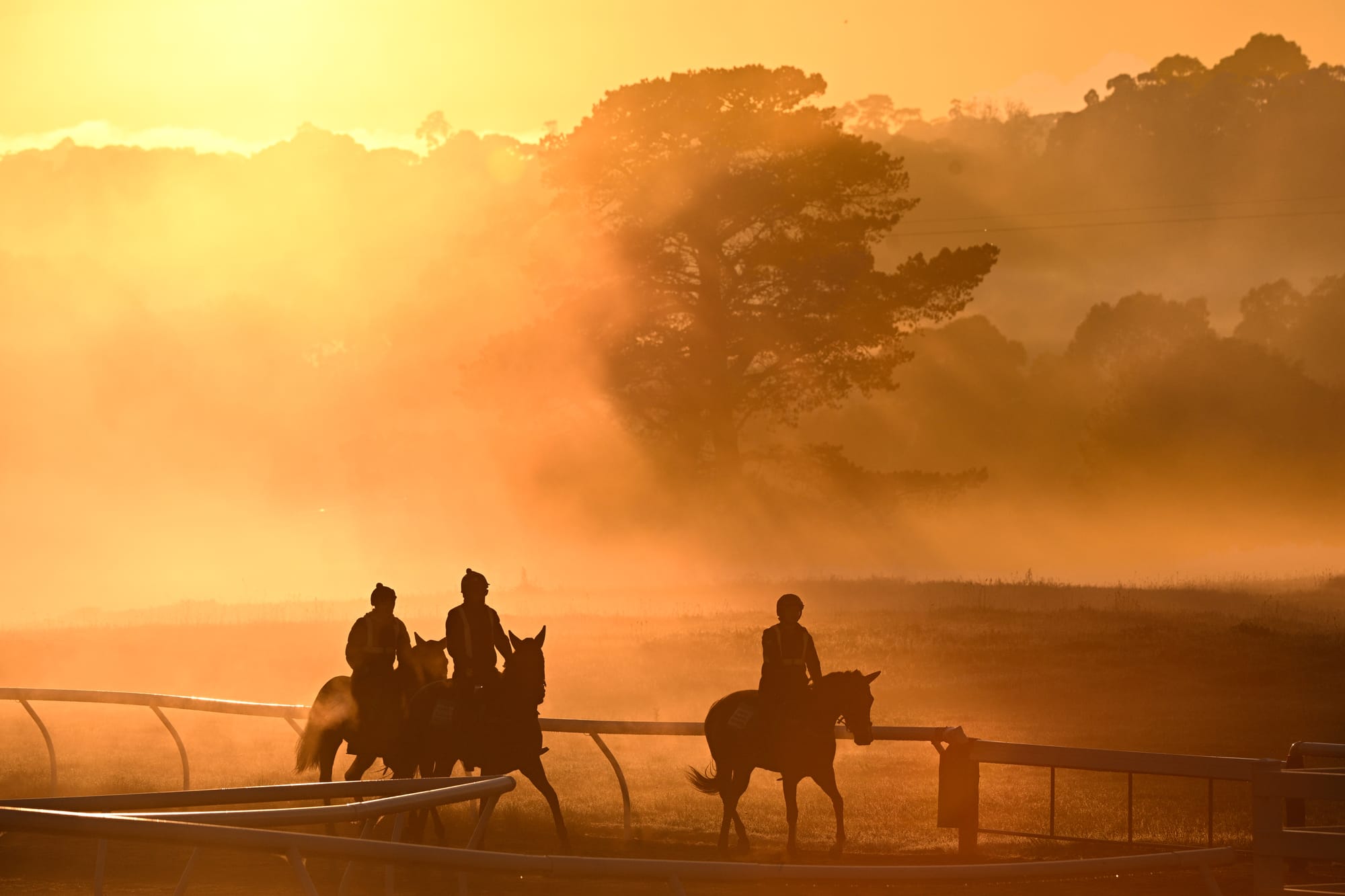
In 2015/16, there were 237 horses sent to Australia from Great Britain, Ireland or continental Europe. In the most recent Racing Australia figures from 2022/23, this jumped to 736, by far the highest since records of this nature were kept.
Anecdotal information indicates that the flood of imports has continued over the past six months.
Usually purchased either publicly or privately as tried horses, they add depth to the racing ranks, especially at metropolitan level and in middle to staying distances. This Saturday at Rosehill and Caulfield, they make up 12 per cent of runners.
However, suggestions from breeders and vendors are that the tried horse market is having an adverse impact on yearling markets. They contend that demand for young, untried Australian stock is falling at the expense of ‘ready-to-go’ imports which offer quicker returns for owners.
At last year’s Tattersalls Horses In Training Sale in Newmarket, Australian connections purchased 41 individual horses spending around $AU11 million. Many more millions have been spent in private sales over the past 12 months.
Given $60 million dropped out of the Australian yearling market last year, albeit off historic highs, you can see why breeders and vendors may be thinking that one market is impacting the other.
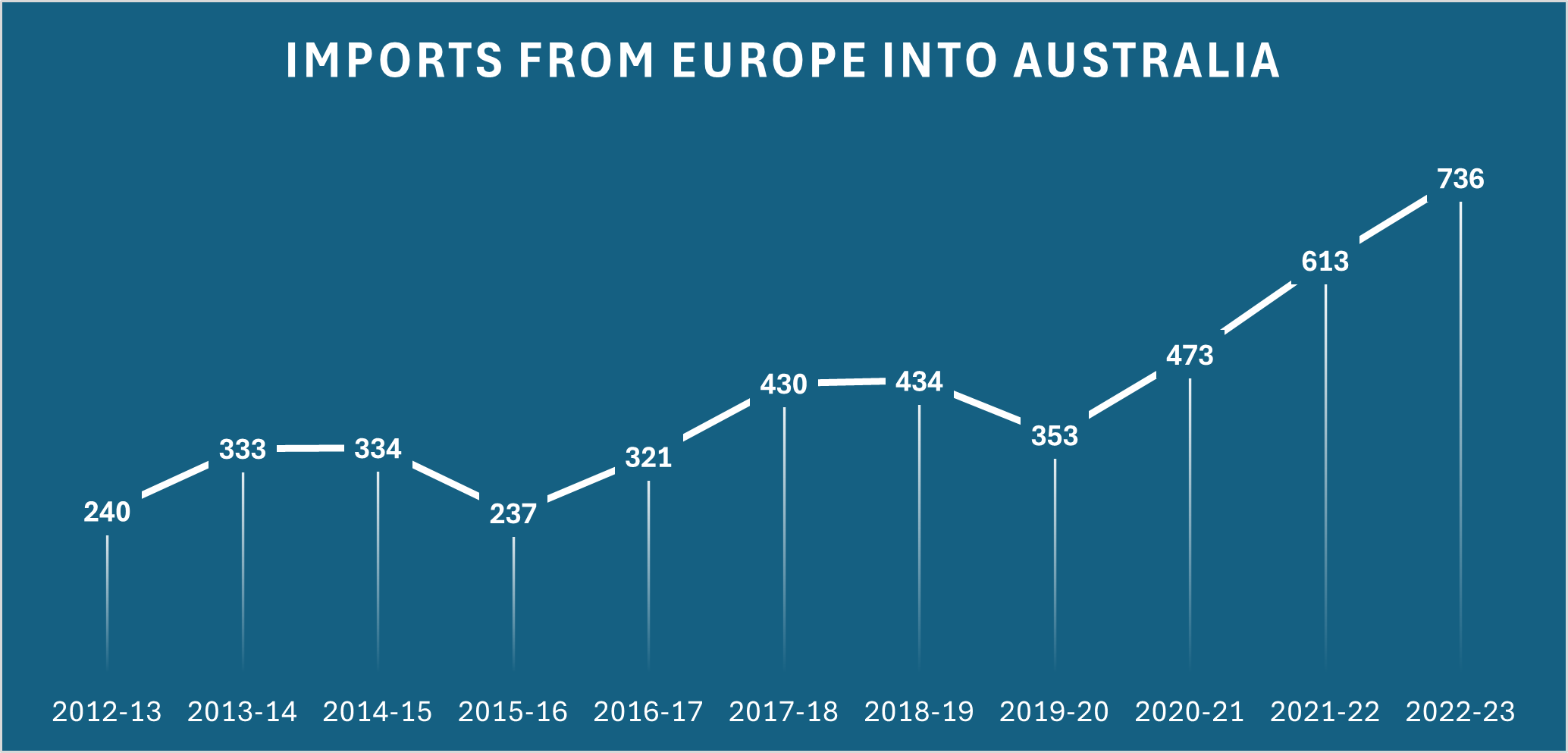
What is also at a record high is the rate of success by European horses in Australian stakes races.
While in 2011/12, 20 Australian stakes races – 3.5 per cent of the total – were won by European imports, in 2022/23, that number of stakes successes had grown to 68, or 11.3 per cent of races.
That success has been sustained again this season with 42 of 267 black-type races contested in Australia – 11.2 per cent – won by horses with either an (Ire), (GB) or (Fr) suffix.
The trend is particularly pronounced as these feature races increase in distance.
Of the 68 stakes races won by European imports last racing season, 56 of those were over 1600 metres or further. There were 237 stakes races contested over that distance range, meaning European horses won 23.6 per cent.
Extended that filter out to 2000 metres or further and we see an even more pronounced domination. Of the 126 stakes races contested in that distance range, 38, or 30.2 per cent, were won by European-bred horses.
That trend should be no surprise to anyone who has paid even cursory attention to Australian and European pedigrees over the past 20 years.
Australia’s reputation has been for breeding the world’s best sprinters, yet with 21 per cent of stakes races staged at 2000 metres or beyond, there is an opportunity there for horses bred with a stamina-oriented pedigree to prosper.
Adding further to this is that four of the top six prize money races in Australia last season were over 2000 metres or further.
Some of the most high-profile and successful owners, syndicators and trainers have identified this opportunity and imported horses to target these staying contests.
Chris Waller, Australia’s top trainer of the past decade, built his success on this model, and while he has become less focussed on imports in recent years, he still has 65 Europeans in his stable (as per Racing NSW).
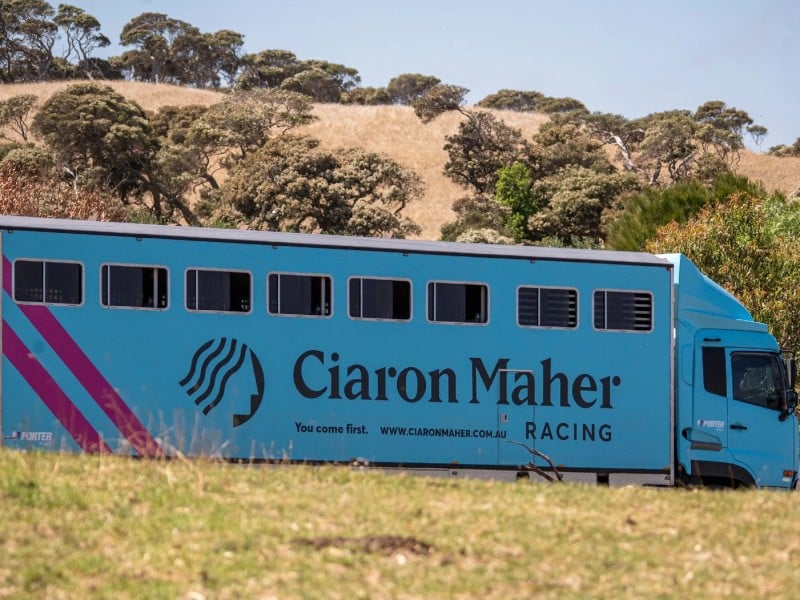
That is 13.3 per cent of his total stable population of 489. Chief rival Ciaron Maher has 64 Euro imports in a stable of 545, a ratio of 11.7 per cent.
However, the stable with the highest number of European imports is Annabel Neasham’s, with 66. The English-born trainer has 408 horses under her name in Australia, meaning 16.2 per cent of her stable is European-bred.
Of the top 10 stables in Australia, Kris Lees is next in terms of percentage of European imports, with 8.9 per cent (20 of 225), while Gai Waterhouse and Adrian Bott have 8.2 per cent (27 of 331).
A fascinating fact in this study is that James Cummings, who operates the Australian-based operations of global powerhouse Godolphin, has just one European import in his stable from 273 horses. That horse is the multiple Group 1 winner, British-bred Cascadian.
Leading stables ranked by number of European imports
 Jessica Owers
Author

Related Articles
Supreme consequence – Court to rule on ATC’s bid to stay out of administration
A Supreme Court ruling defining the likely path forward for the Australian Turf Club promises to be a crucial moment for the NSW racing industry when it is handed down on Wednesday.
Run The Numbers – Kings of the road – Australia’s most travelled trainers
In a nation of 354 racetracks, there is no shortage of options for where to take your horse for a race if you are willing to do the miles. But which trainers do more miles than any other? Run The Numbers investigates.

Vouris: Compliance a key capability in fight against the black market
Andrew Vouris, the Entain executive responsible for guiding the company through one of the sternest examinations of compliance culture in Australian wagering history, has urged the industry to focus on “winning the right way”.