
‘This is kind of normal for us’ – Extreme weather a reality of remote Queensland racing
Monsoonal rains have turned Queensland’s outback racetracks into mud as an extended wet season continues to impact community clubs across the state.
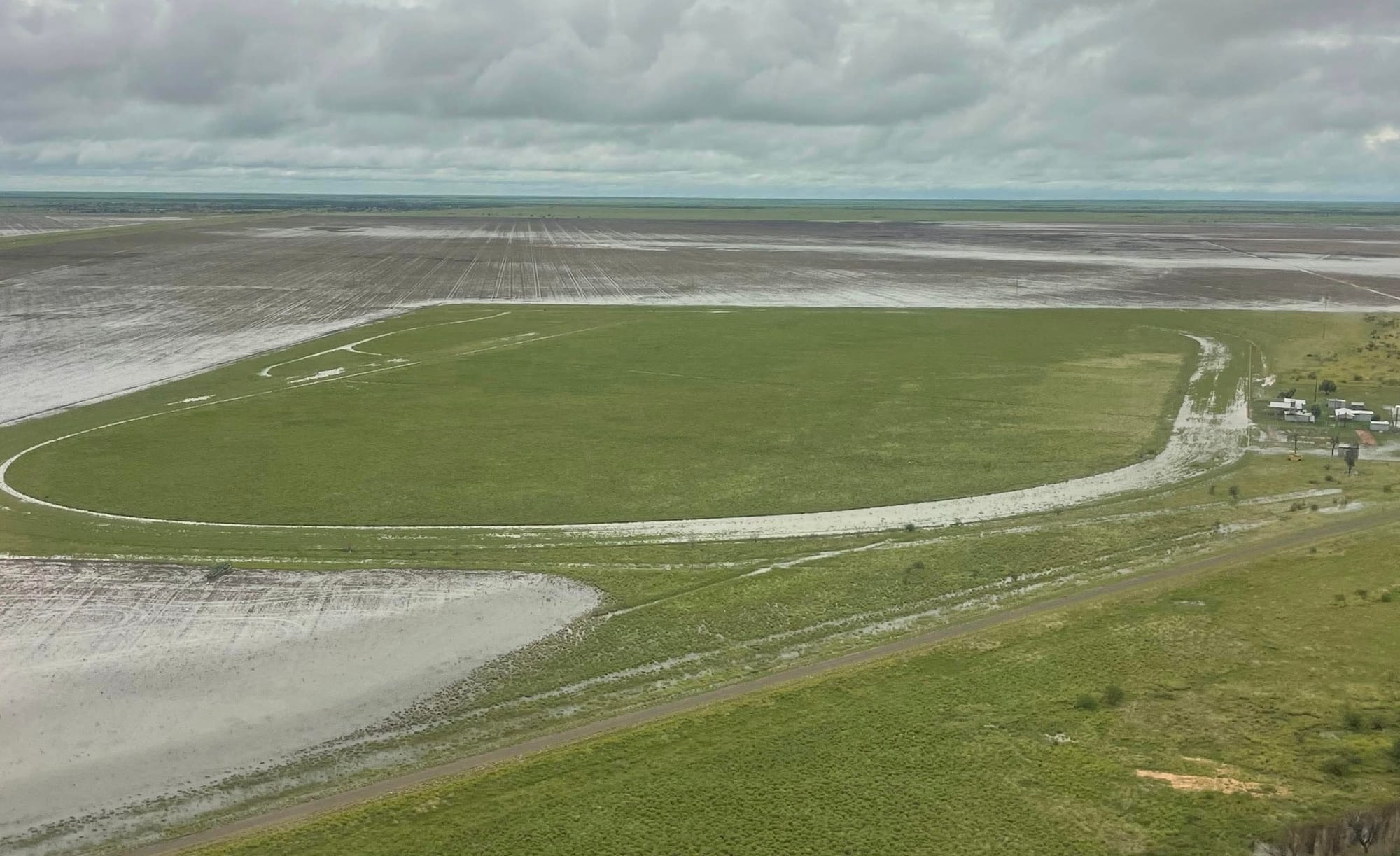
As major flooding causes road closures between towns and leaves a vast majority of the northwest region’s cattle stations cut off from civilisation, racing in outback Queensland has also been disrupted.
Mount Isa, a mining city about a 20-hour drive northwest of Brisbane, has been a saviour.
Because Mount Isa’s racetrack is sand-based, it has been able to shoulder much of the load created by the abandonment or postponement of a string of meetings in the region since early March.
Among those lost is the Maxwelton Race Club’s once-a-year Cup fixture that provides a much-needed social outlet for a crowd of around 400 racegoers.
Maxwelton is one of those blink-and-you-miss-it destinations on the map. It’s a one-street town and the shops are long gone.
Yet somehow, as with most far-flung places in Australia, the race club lives on thanks to a lot of bush community spirit, the dedication of volunteers and trainers and jockeys who spend most weekends driving long distances in search of their next winner.
The Cup was supposed to be run this Saturday but it has been replaced by a Mount Isa meeting – about 350km west – the following day.
With roads closed, many regular faces at the annual meeting won’t be able to travel.
Maxwelton, with a population of 32 recorded at the latest national census in 2021, is one of more than 10 townships with racetracks in the state’s northwest and southwest that have been impacted, according to Racing Queensland.
“In a number of cases, however, club personnel are yet to be able to access the tracks to assess whether there is any damage,” Racing Queensland’s corporate affairs manager Andrew Andermann told The Straight.
“It’s been a bit tricky trying to get a definitive answer but the most accurate information we can provide is that we’re across 11 towns which have been affected by severe flooding.
“Jundah and Julia Creek are the two we know for certain that have received flood damage to the track and facilities.”
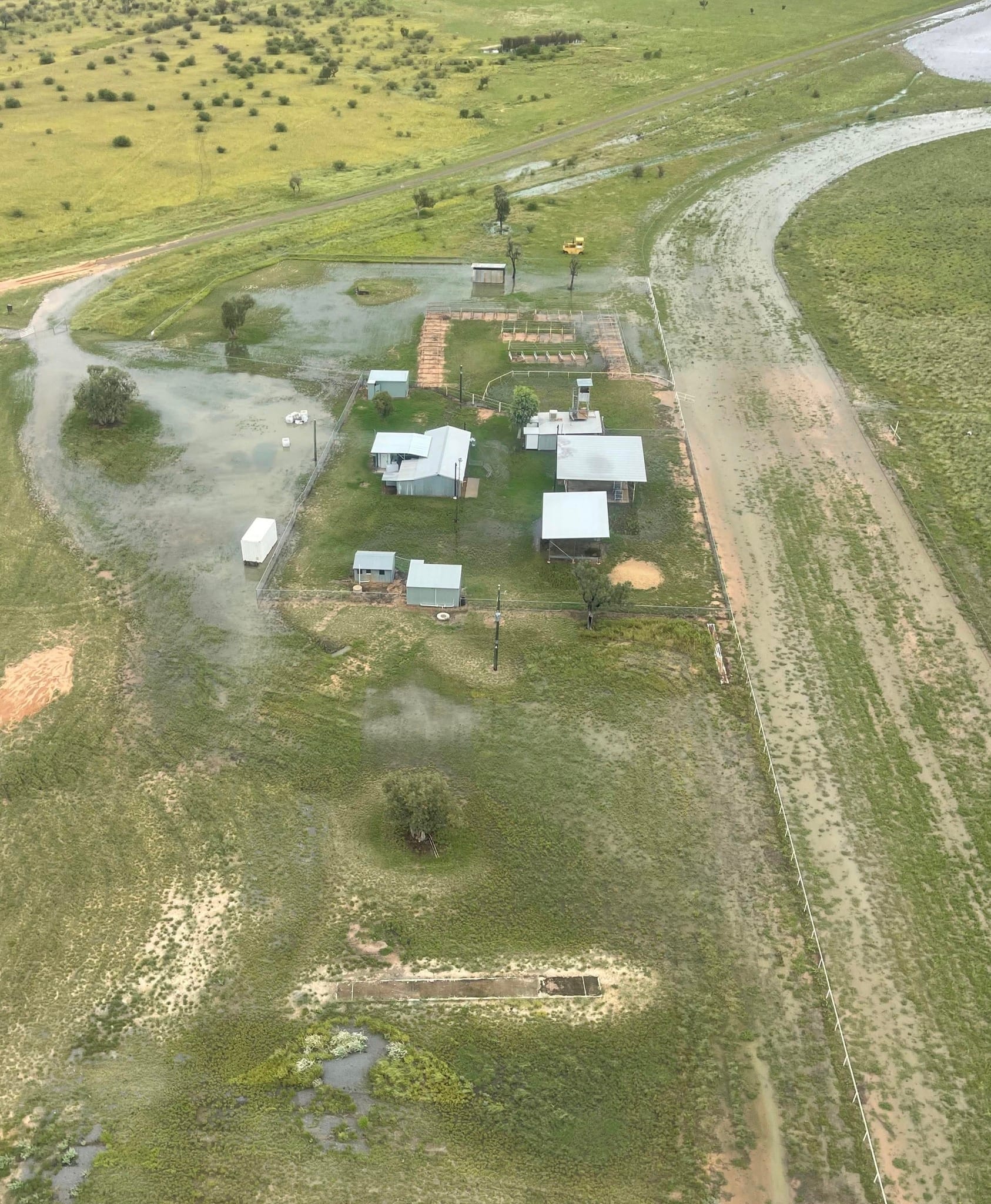
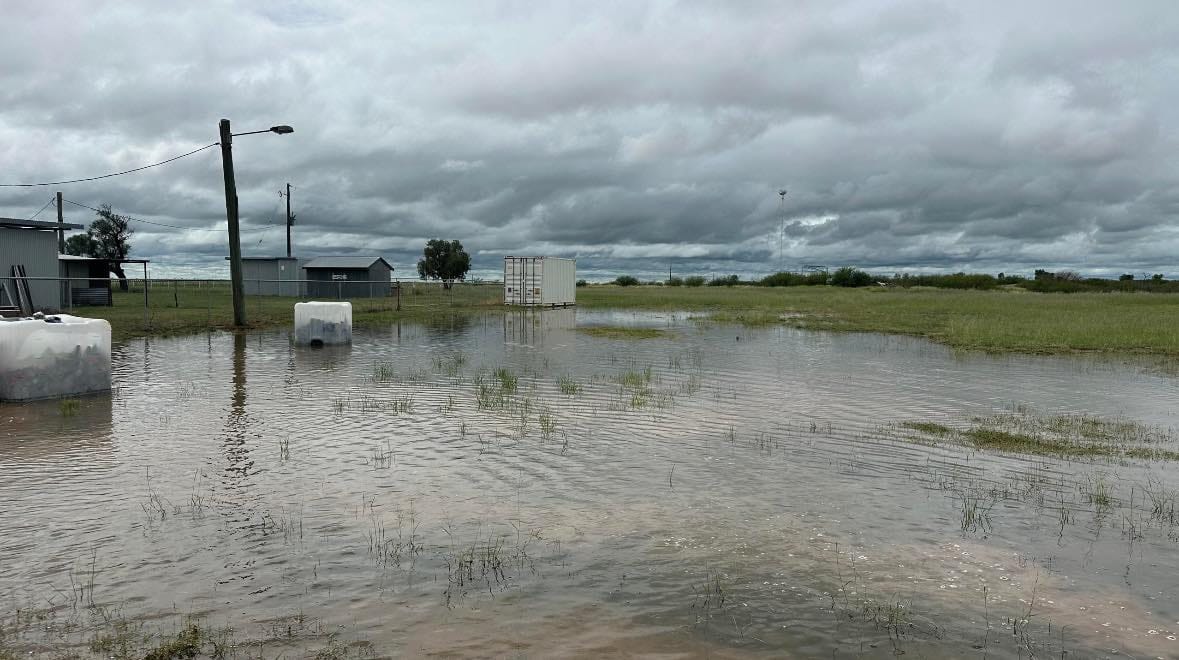
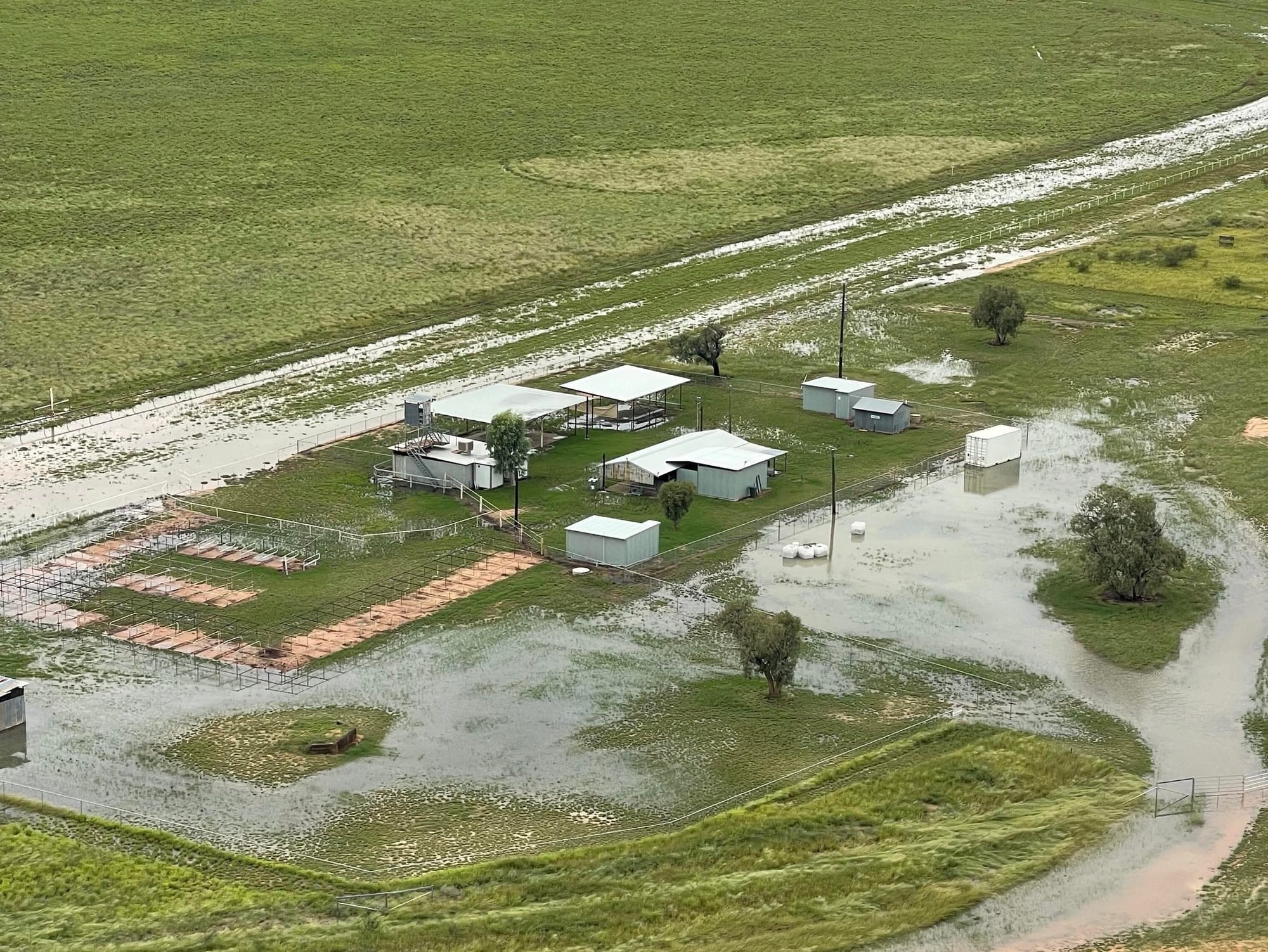
For the second time in seven years, Maxwelton racecourse is under water. (Photo: Ben Hughes/Maxi Races)
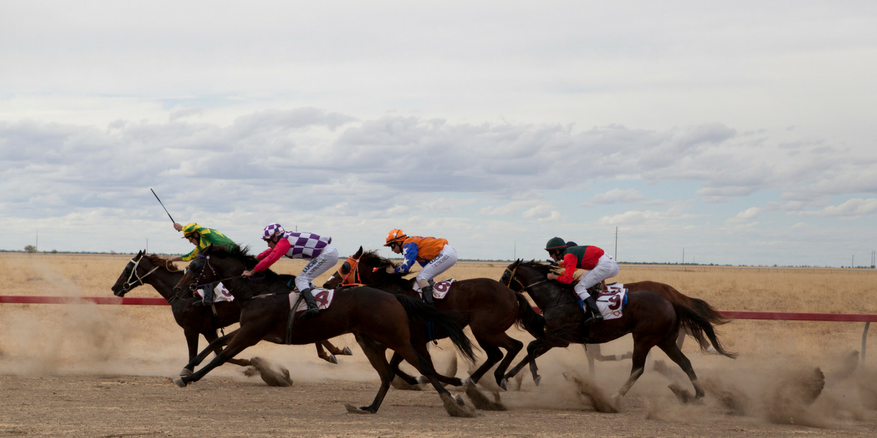
Much of Queensland outback racing is staged on tracks prepared with black soil surfaces that lend themselves to iconic images of the sport’s grassroots existence.
But they are vulnerable after heavy rain.
And even when they do dry out, a crust forms on the top and it can often remain wet and too slippery to race on for weeks after the rain has gone.
Megan Easton is the president of the Maxwelton Race Club and she says residing in the tropical part of Australia comes with an acceptance and resilience for major weather events – wet and dry.
“We have lots of properties that have been cut off for about three weeks but this is kind of normal for us and that’s the reality of it,” she said.
At this time of year, stations such as the 27,000-acre Cameray Downs where Easton’s family graze cattle, are home to a transient workforce.
Those who muster livestock for a living make their way to the region and a day at the races is an annual highlight on the district’s social calendar.
“A lot of people have come back to work in the north. Here we are quite seasonal with mustering … and they have been working for a couple of months,” Easton said.
“But when the rain comes they are all most likely isolated. Lots of the black soil roads have been cut.
“We were trying to hang on to have a family fun day, thinking if we didn’t have the horses it would allow the young people to catch up with old friends.
“Then once we realised that our roads were going to more than likely be cut we called that off and so everyone is a bit devastated.”
The “Maxi races”, as they are colloquially known to the locals, have been around officially since 1951 and the club is hoping to have its rich history – one that includes having an all-female executive a few years ago – put into print for release to coincide with 75th anniversary celebrations.
Meantime, Easton, who is also a councillor on the Richmond Shire Council, says it’s a matter of waiting for floodwaters to recede while memories of the area’s 2019 devastation still linger.
“The rivers are just sitting just below the major flood warning level, so nothing’s catastrophic, but we definitely have to be aware,” she said.
“We were well below our average rainfall in the north for the wet season … and we are very pleased for the extra rain.
“But we all experienced 2019, which was very similar to what’s going on now in the southwest, so I think now that we’re all getting quite wet, we’re all getting a bit nervous.”
Related Articles
What we learned from Doncaster day – Sheza star, Star a queen and King creates history
James McDonald and Chris Waller’s Group 1 double was completely overshadowed by a brilliant filly, a mare who is now Australia’s best sprinter and Rachel King’s piece of Australian racing history.
Racing’s burning questions as PM moves on wagering advertising reform
Racing has long expected a carve out from any federal gambling advertising restrictions, but even with an exemption, a significant shift in how bookmakers market to customers will have a commercial impact on the thoroughbred industry, writes Bren O’Brien.
Across hemispheres – The Piggott-Pilkington link behind Inglis Sires’ bid
There are no borders in racing anymore, and Am I Dreaming’s shot at the $1 million Inglis Sires’ sits squarely in that space, shaped by trainer Jack Pilkington and bloodstock agent Jamie Piggott’s international footprint.