
Timing the pace of change – Kylie Rogers on balancing tradition with Flemington’s need for reinvention
Victoria Racing Club chief executive Kylie Rogers feels the momentum is with her team, but a vocal membership group, the fickle nature of racing politics, and the need to balance tradition and innovation pose ongoing challenges to her plans to transform Flemington.
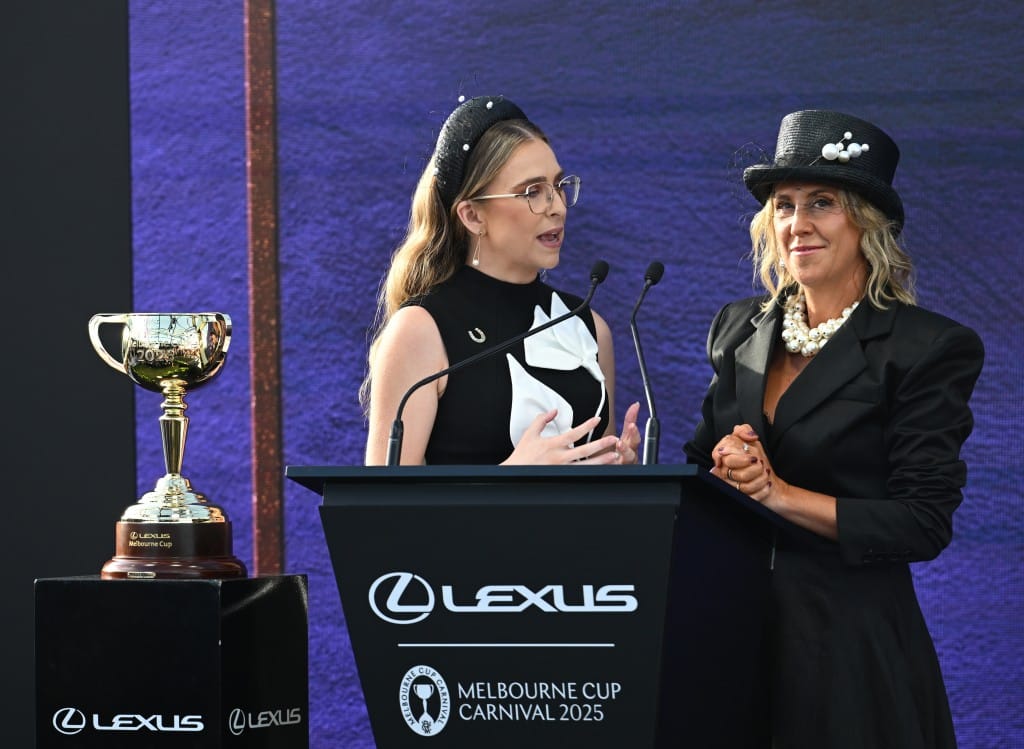
In her 21 months in the role of Victoria Racing Club chief executive, Kylie Rogers has had a crash course in the complexity of managing the tradition of Australia’s most famous racecourse with the need of the 21st-century race club to innovate.
The VRC is far from the only race club in Australia to face existential dread in recent years, seeking to reinvent a model overburdened by infrastructure and undercut by commercial sluggishness.
When Rogers walked into the job in September 2024, the VRC had posted its fifth straight deficit and was facing questions about its long-term sustainability.
While her first full year saw a $17.4 million turnaround, the books for 2024/25 were still in the red – a $7.2 million comprehensive loss – making it an eye-watering $94 million over a six-year period.
Thanks to ongoing cost-cutting and additional revenue, 2025/26 looks likely to be the first year in net profit for the VRC since before the pandemic.
But the financial turnaround was just part of the three-year strategy that Rogers presented to the VRC board in late 2024. She was clear that the club needed to change, but she was aware of how member-run organisations can be easily left behind by their own politics.
Racing is particularly savage on those from the outside who think they can easily reshape the vision and forgo tradition for innovation. Rogers has been no exception.
The former AFL, Mamamia, and Network Ten executive is over halfway through the initial three-year plan, and she is considering a renewed Flemington in the years to come.
“I think physically, you’re going to see a very different Flemington by 2030,” she tells The Straight.
“What that looks like, I can’t articulate today, but it will be a precinct that Australians love and it will be a precinct that is known for its community programs and its sporting and entertainment options.”
The VRC’s vision is to bring to life a precinct that, for the better part of its long existence, has only really switched on for the 20-odd days a year it hosts race meetings, four of those at anywhere near capacity.
In Rogers’ eye, that vision turns Flemington from a famous racecourse to a community asset.
“I would like to think there are permanent restaurants. I would like to think we have pedestrian bridges connecting Footscray Park to Flemington,” she said.
“These are examples only, but it is bringing to life 127 hectares and having a thriving racing calendar amongst that.”
“We ask ourselves, how do we welcome local communities and Australians to engage with Flemington Green community initiatives and commercial initiatives?”
While the Melbourne Cup will always remain the centrepiece, Rogers says the strategy is no longer just built around four days in November.
“Flemington Green” – once a name given to high-rise development alongside the racecourse – has been extended to a broader concept of a community-first strategic master plan centred on activating the club’s land year-round.
“That allows us to diversify away from four days of the Melbourne Cup Carnival and generate commercial opportunity that goes directly back into powering racing.”
The VRC’s strategic tastes under Rogers may be a little rich for some of the club’s 35,000 members, who have urged the new CEO not to forgo tradition in favour of an uncertain future.
Changes made under her watch to the raceday experience, particularly in the hospitality and member-amenity space, have not been universally well received. In April, Rogers was forced to apologise after a higher-than-expected Anzac Day crowd exposed the VRC’s shortcomings in service standards.
Social media feedback on members’ pages has been particularly savage, while prominent racing figures have lamented the loss of arguably irretrievable days of huge off-season crowds, served by lines of on-course bookies.
While the delivery of the race-day experience remains at the core of the VRC’s strategy, Rogers concedes that pleasing every one of the 35,000 members is an impossible task.
“My job is to find that balance between celebrating and respecting tradition, history and heritage, and innovating to ensure we are sustainable for the next 168 years. And getting the pace of that change right,” she said.
“It is hard to make change. But as long as I am articulating to our members why we are making this change, making sure they understand our strategy, they may not like it, but they respect it.
“That is all I ask, because I’m never going to be able to please 35,000. But as long as they understand why we’re making these changes, and it’s for the benefit of the club, holistically, so we are thriving, then they will understand it.”
One of Rogers’ challenges is the need to convince those 35,000 members, and indeed the wider racing public, that a 365-day-a-year Flemington does not detract from the 21 days, including the one that really matters, when the thoroughbred is centre stage.
“There’s one thing I am learning as I’m spending more time here is the true power of the People’s Cup and what it means to Australians. And increasingly worldwide and how we capitalise on that,” she said.
“And that is our bread and butter and maximising the power of the four days of the Melbourne Cup Carnival.”
Rogers may not have been “raised in racing”, but she has quickly developed an understanding of its importance. The Crown Land lease, which Flemington sits on, one which the VRC is currently trying to extend, depends on it being a racecourse first and foremost.
She says a racing-driven “blockbuster” strategy is another pillar for future growth, with an immediate target of increasing the membership from 35,000 to 37,000 in a short time.
New Year’s racing has undergone a major change, with the meeting now moved to New Year’s Eve, resulting in an immediate uptick in engagement.
“We had 15,000 people on our first iteration … it was a very special night. Our wagering was up 16 per cent, and it showed the power of innovating in and around race days,” Rogers, who is targeting 30,000 for the December 31 meeting in the future, said.
Champions Day is another focus. Melbourne’s fickle spring weather threatened to ruin the re-invention last year, but Rogers hailed the integration of global DJ Fisher into the program as a bridge between traditional racing and a younger audience.
“We had 65,000 people … on the coldest day in November in 113 years,” she said. “We increased our young membership off the back of that day by 200 per cent. They learned more about our sport.”
The other changes at Flemington in recent months have been the appointment of Delaware North to run the Club’s hospitality operations and the decision to switch to Asahi as beer provider after a long partnership with Lion Nathan.
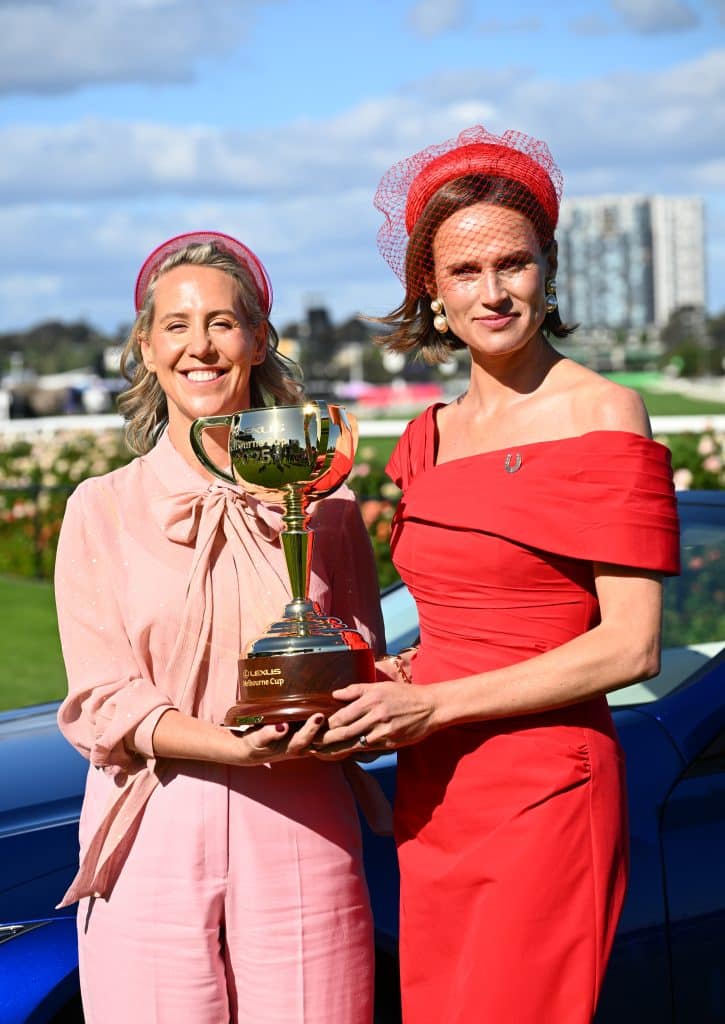
The first decision has met with some resistance from members, who had become accustomed to the service of the previous hospitality provider, Crown. But Rogers said Delaware North were crucial in the ambition to turn Flemington into a 365-day-a-year hospitality venue.
“They’re a world-class caterer. But they’re also going to help us accelerate this 365-day proposition,” she said.
The change in beer providers, while not universally praised, seems to be a vote-winner. Global giant Asahi produces countless beverages, but the return of Carlton Draught to the beer taps of Flemington has proven one of Rogers’ most popular achievements.
“I do want to shout out to Lion Nathan, who were an incredible partner for 24 years. But it was clear to me through talking to members and through how we’re engaging with members that they wanted a different beer proposition,” she said.
“The response from our members to the Carlton Draught announcement or Asahi, is an example of the majority, they were like, yes, now we like that, we get that, thank you.”
It may seem an Australian – and indeed Melbourne thing – but getting the beer strategy right may grant Rogers credits for the other changes she is seeking to spearhead.
They are tough credits to earn. Rogers arrived in her job at a similar time as another prominent racing club leader, John Kanga, was appointed chairman of the Melbourne Racing Club.
Kanga blitzed the media with his signature smile and a populist mantra of cutting food and beverage prices and expanding membership. A lifeline racing fan, he put himself forward as the voice of the members.
Such was the “Kanga Effect”, that he was touted as the man to unite Melbourne’s racing clubs.
In comparison, Rogers was tasked with making the tough calls to get the VRC back on track and sell the message to members, staff and the broader industry. Rogers does not want for charisma and charm, but her way didn’t have the razzle-dazzle of the new MRC chair.
But Kanga’s reign would sparkle then fade, and the MRC sideshow has subsided for now. Rogers and her new-look team have pressed on with the task demanded of them, knowing the spotlight that VRC occupies remains the envy of every other race club in the land.
That too comes with its challenges.
On those four carnival days, the world watches as the VRC puts on its best show for an industry fighting to validate its social licence.
The spate of injuries and fatalities in the Melbourne Cup may be, for now, of another era, but the importance of welfare is always at the forefront of mind.
“Our new purpose at the club is to celebrate that special connection between human and horse and to celebrate the horse,” she said.
“We want to ensure we have a social licence and that we work with our local community and the community around Australia to celebrate racing. It’s a big part of what we do. We invest heavily in that.”
Then there are the intra-industry challenges. The ugly side of racing politics has come knocking on Rogers’ door on several occasions.
If the grapevine were to be believed, Rogers would have left her job several times over already, but she remains motivated and insists that the political nature of her job won’t move her.
“That’s anywhere in life,” she says dismissively.

She says there is a cooperative relationship between the three metropolitan clubs and Racing Victoria, something that is especially important in 2026 as Moonee Valley undergoes its massive reconstruction, and Flemington takes on its marquee event, the Cox Plate in October.
It is an interesting situation for the VRC, opening up its gates for another club to host a race widely regarded as the best weight-for-age contest in the land.
“We are so privileged to host the Cox Plate for Moonee Valley Racing Club and we’re really thankful to the Moonee Valley Racing Club board directors for allowing our members to attend their day at our track,” she said. “I’m at pains to say that it is their race day.”
She expects further details about Cox Plate Day to be forthcoming when the MVRC is ready to announce them, and says the relationship with Michael Browell, the long-term Moonee Valley CEO with a reputation for running his club his own way, is strong.
“It is his day and we’re working really closely with him and really well with him to put on what will be an historic day,” she said.
“It’s just another party that we work closely with to ensure we deliver an unbelievable day for, I think, probably 50,000 people. So, we’re all thrilled and excited about the opportunity that exists there.”
Amid the many challenges, Rogers insists that the short-term and long-term plans show the VRC is a club with momentum.
But she is quick to note how fragile that can be.
“Momentum can work either way … right now, we have positive momentum and we’re going to work hard on that,” she said.
Author

Related Articles
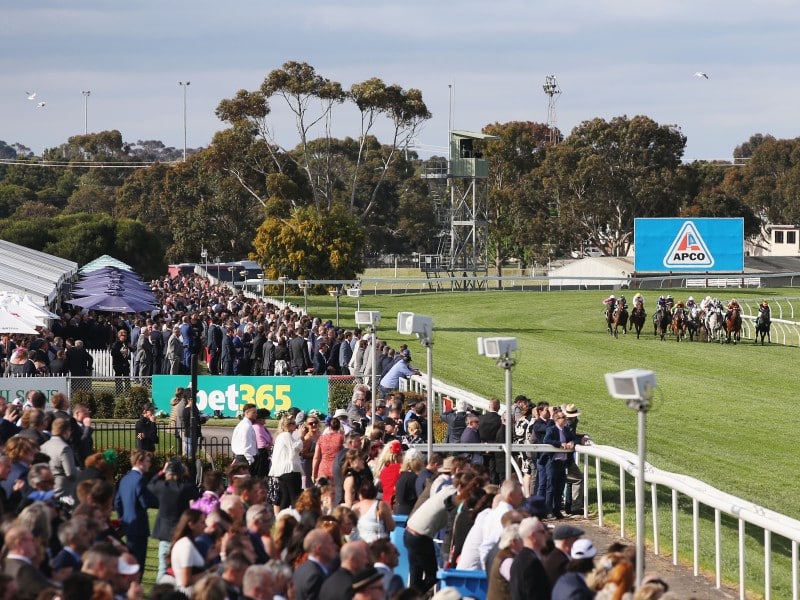
Premium venues to benefit as RV reshapes country racing calendar
Racing Victoria will overhaul the classification of country TAB meetings from next season, with six key venues to receive premium status as part of a strategy to strengthen wagering and engagement.

Russell Warwick to step down as NZTR chair
Upheaval continues in the upper echelons of New Zealand racing, with confirmation that Russell Warwick will step down as chair of New Zealand Thoroughbred Racing in the coming months.
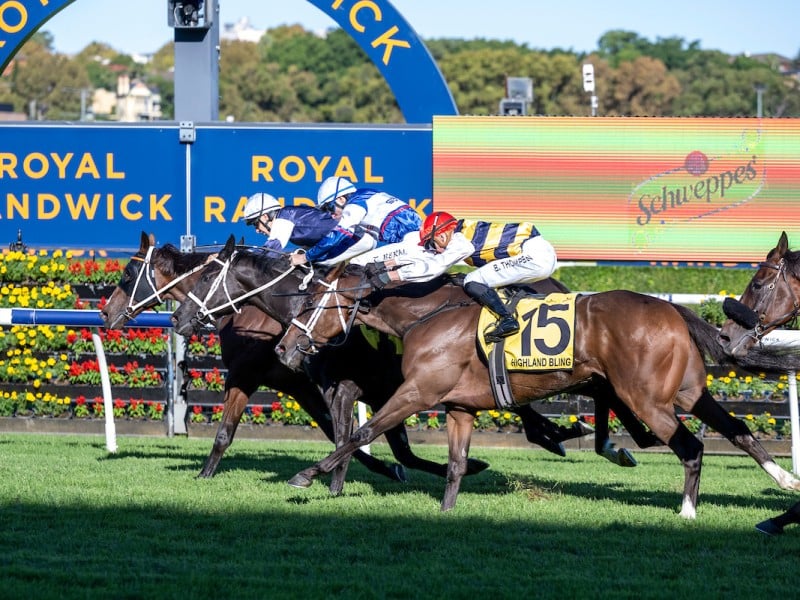
Australian Classics in Asian Pattern Committee’s line of fire, but no firm decisions imminent
The Asian Pattern Committee will hold a virtual meeting with delegates on Thursday, with Australia’s dysfunctional black-type calendar high on the agenda. However, stakeholders hoping for an immediate shake-up may be disappointed, write Tim Rowe and Warwick Barr.
