
🔒 🔒 Under-fire WA racing minister signals early 2027 response to racing review, denies industry at risk of ‘imminent collapse’
Western Australia Racing Minister Don Punch has indicated when the government expects to outline its position on the financial future of the state’s racing industry, but stopped short of committing to release the independent panel’s findings.
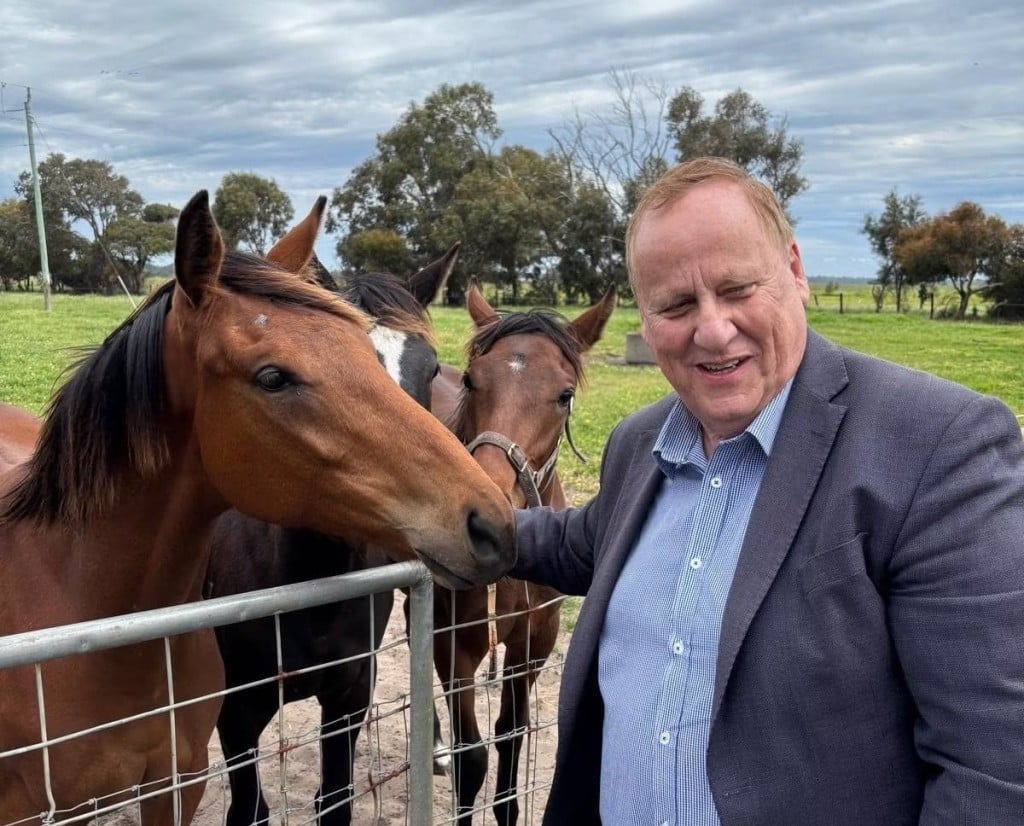
The Western Australian government expects to make its position known on the financial future of the state’s racing industry early next year, Racing and Gaming Minister Don Punch has told Parliament.
Punch gave the clearest indication yet of when the government would respond to the long-awaited review of racing governance and sustainability, saying the independent panel would report in due course.
“As I have said to the industry, the government will consider the findings of that report and make its position known in 2027, shortly into the new year,” Punch said in the Legislative Assembly.
The statement gives the industry a clearer timeframe after almost 12 months of work on the review, although it does not establish when the report itself will be completed.
Punch was responding to questions from Nationals MLA Lachlan Hunter, who challenged the minister over the delay and the financial pressures facing an industry estimated to contribute more than $1.3 billion annually to the state economy.
Hunter said the sector supported 25,000 jobs but continued to confront financial losses, workforce reductions and uncertainty.
He asked why the government had not delivered the findings almost a year after announcing the exercise and what action had been taken to address the industry’s difficulties.
Punch rejected the suggestion that the sector faced an imminent collapse, saying responsibility for managing the three racing codes rested with Racing and Wagering Western Australia (RWWA) and that the industry operated with considerable autonomy from Parliament.
“The industry itself has enormous independence from government,” he said. “The government has supported the industry to maintain its sustainability because we know how important it is to people who enjoy going to the races.”
Punch also defended the independence of the panel, which is examining the financial and governance arrangements underpinning thoroughbred, harness and greyhound racing.
“I do not have a say in it,” he said, criticising Hunter’s comments about the individuals leading the process.
The panel comprises former Mandurah MP David Templeman, Professor Warren Harding AM and economist John Nicolaou, who was appointed as its third member in February.
The government announced the review on December 30 last year, stating its purpose as identifying options to strengthen RWWA’s long-term financial position and examining whether its governance and regulatory arrangements remain appropriate.
Its terms of reference cover revenue sources, opportunities to diversify income, operating and capital expenditure, assets, legislative obligations and the potential effects of structural changes on metropolitan and regional racing.
Animal welfare, jockey safety and workplace health and safety were specifically excluded.
The process included a public discussion paper, submissions and meetings with racing organisations and clubs across metropolitan and regional Western Australia.
More than $1 million was set aside by the government for the inquiry, with the three reviewers each entitled to receive up to $160,000, plus travel expenses.
About 70 written submissions had been received, while the panel had undertaken extensive consultation and provided the minister with a progress briefing in July.
The timetable is significant given the financial circumstances confronting RWWA.
The organisation recorded a comprehensive loss of $17.12 million in 2025/26, following a $17.5 million loss the previous year, while its wagering business faces structural changes as customers move towards fixed-odds and sports betting. It has also come under scrutiny from AUSTRAC.
RWWA has also undertaken a restructuring program targeting more than $20 million in annual savings, including about 40 job reductions, while former chief executive Ian Edwards warned last week that existing funding arrangements would require further revenue growth or a reassessment of settings from 2027/28.
The government has provisioned up to $12.5 million in its 2026/27 budget to maintain industry distributions if betting revenue falls short of expectations.
Punch said the government would not rush its deliberations.
“The government will take the time it needs to get the response right, reflecting the needs of the industry,” he said.
Punch said he would hold further discussions with racing stakeholders after the government had considered the findings.
But his statement does not resolve the question of public access to the panel’s work.
The government has previously declined to commit to releasing the complete report, indicating that Cabinet would first consider its findings and recommendations.
Hunter’s supplementary question about the effect on industry workers prompted Punch to accuse the Nationals of spreading misinformation by suggesting 25,000 jobs were under immediate threat.
“Do not come in here suggesting an imminent collapse of the racing industry when that is not the case,” Punch said.
Related Articles
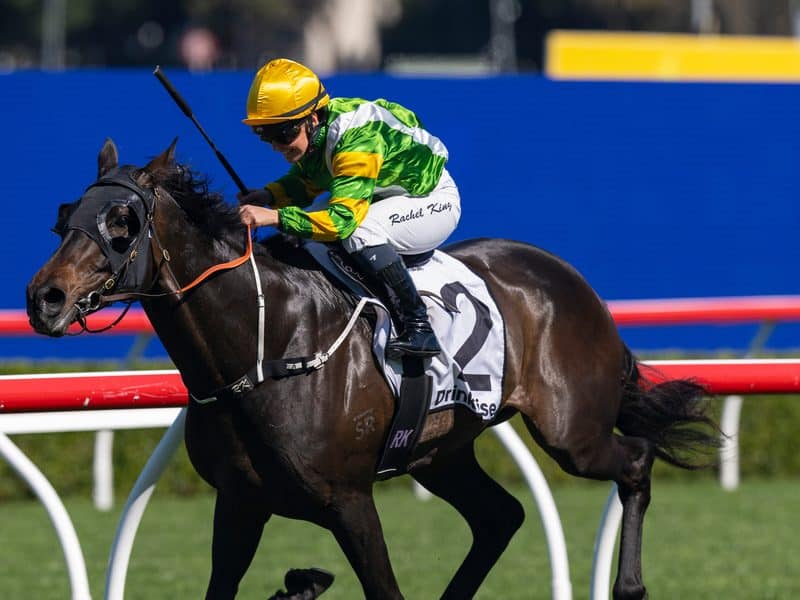
‘He deserved to be treated with dignity and respect after his death’ – Bjorn Baker’s distress after So You Are’s remains found in waste skip
Trainer Bjorn Baker says he is deeply distressed by the handling of Melbourne Cup runner So You Are’s remains, as an investigation is launched into the discovery of the gelding’s body in a skip bin at Lucas Heights in southern Sydney.
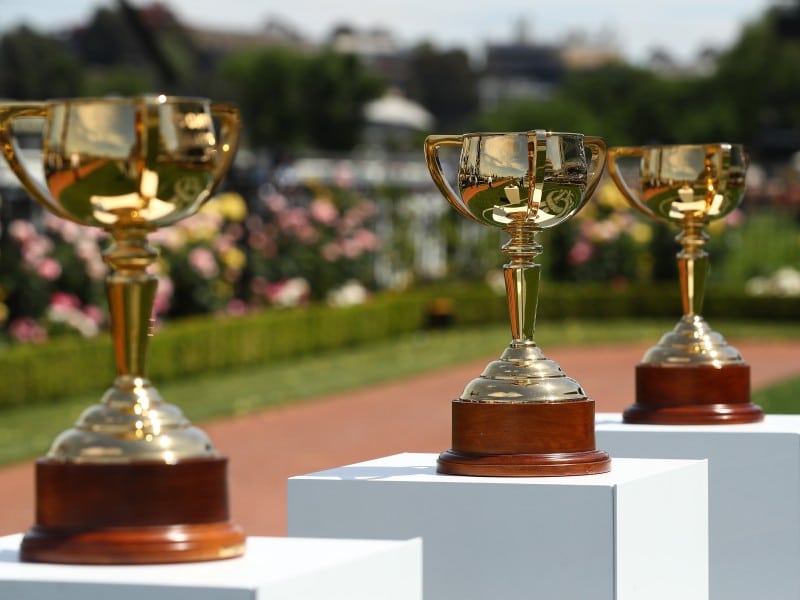
Man arrested over theft of Makybe Diva’s three Melbourne Cups as trophies remain missing
Makybe Diva’s three Melbourne Cup trophies, valued at $3 million combined, remain missing after a man arrested in the investigation was released pending summons.
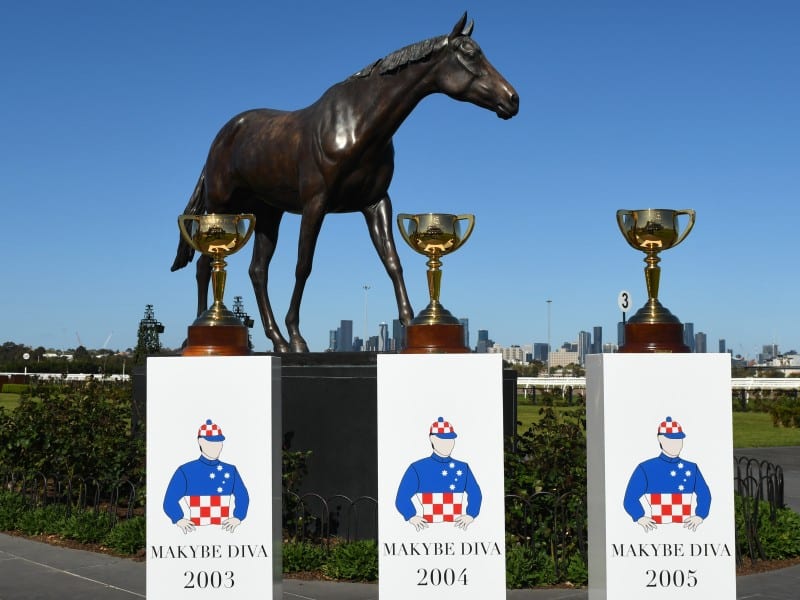
Makybe Diva’s three Melbourne Cup trophies stolen from Flemington
The three Melbourne Cups won by Makybe Diva from 2003 to 2005, owned by Tony Santic, were stolen from Flemington on Monday morning, several media sources have reported.
