
Why Hong Kong has made Mark Newnham a better trainer
As he closes in on a century of Hong Kong winners and a real live opportunity for a first Group 1 success since his arrival, trainer Mark Newnham reflects on all that he has learned and why the city has worked so well for him.
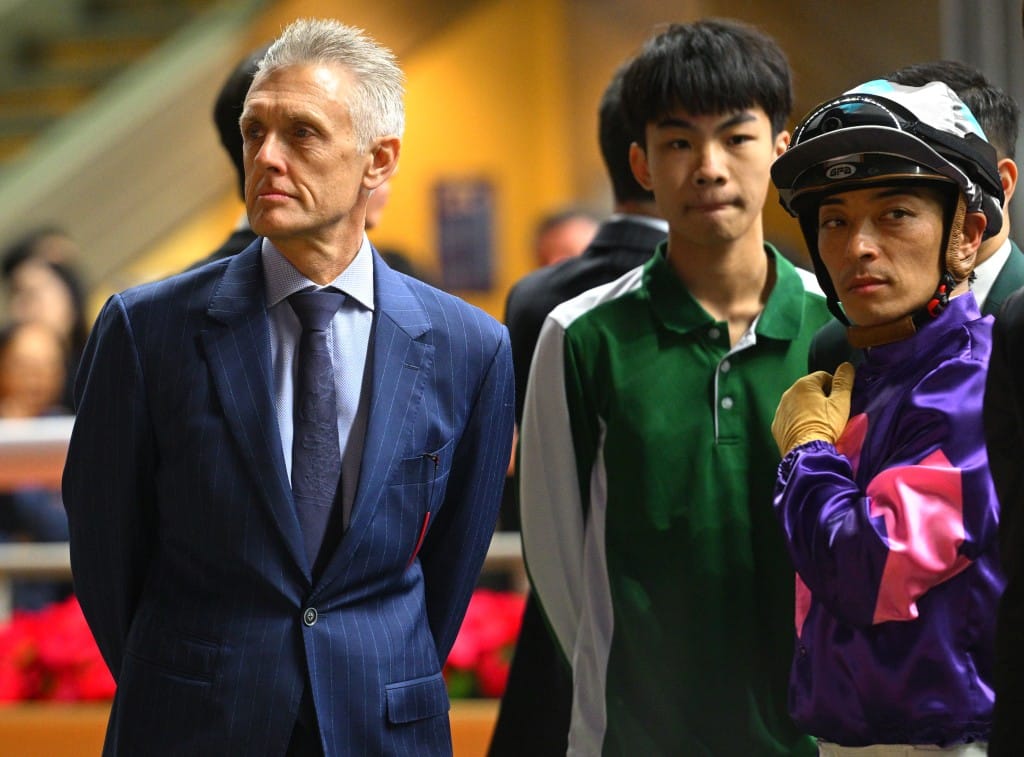
With each year he spends in the fish bowl of Hong Kong, Mark Newnham feels he is getting better and better as a trainer.
Now in his third season in Hong Kong, Newnham sits equal leader on the trainers’ premiership with 24 winners, while he has 99 Hong Kong winners overall, with a chance to bring up his century in memorable style when My Wish looks to give him his first Group 1 since his move in 2023 Sunday’s Hong Kong Mile.
In his first season in Hong Kong, Newnham, the ex-Sydney jockey turned Group 1-winning trainer in Australia, prepared 31 winners and improved that to 44 last campaign.
He has built on that momentum with a fast start this season which has him equal with Caspar Fownes and leading such luminaries as John Size and David Hayes.
In an in-depth chat on the Straight Talk podcast, Newnham pointed to the journey he has come on since his arrival, and how his current stable is very different to when he first started out two years ago.
“When you start here, you generally get cast-offs from other stables and as long as you get a win or two out of those, then you can start building on your new horses and attracting clients with permits to bring in new horses,” he said.
“Then you’ve got to really rely on your selection process.
“And then they’ve got to get here and acclimatise. What may look the right horse form-wise, whether it be raced or trialled, doesn’t always fit into Hong Kong. So, temperament’s a big thing.”
Of his 17 individual winners this season, 14 are bred in Australia and three in New Zealand, most of which have been deliberately targeted by Newnham or his team to bring to Hong Kong. He feels in a very competitive market, his understanding of this trade market is an important edge.
“I try to do a lot of homework before I make an approach on a horse and try to take all the variables out of it. But still, once they get here, you’re relying on them acclimatising well. And sometimes that just takes time,” he said.
“Others settle in straight away. But as long as you recruit well, I think and be a little bit patient, it’ll work out most times.”
Doing his own due diligence is part of Newnham’s recruitment process.
“I watch a lot of trials and I watch a lot of races. I do most of it myself. You see horses flattered in trials – the lightweight jockey from barrier one, leading easily, putting three or four lengths on them. Horses can be easily flattered, winning a 900-metre trial by four,” he said.
“So, knowing the system is an advantage, but you don’t always get it right. Still, there are horses we’ve been able to get for not a lot of money and they’ve been successful.”
Newnham knows that while not every horse can be a star, getting as many wins as he can out of each horse is a key appeal for the owners, whose re-investment is important to building the success of the stable.
“In Australia, you can have a rotation of horses all year and horses that don’t come up to at least provincial standard in Sydney, you can’t afford to have them in your stable, you know, trained in town,” he said.
“Here, you’ve got to rely on being able to get the best out of every horse, whether that be a Class 5 win or whether it be in one of the Group races. And once that horse is in your stable, you’ve got to work out a way to win with it because the owners already spent the money to get it here.
“Sometimes it’s patience. Sometimes they’ve just got limited ability. Sometimes they don’t acclimatise or settle in.
“I think it actually makes you a much better trainer because you have to put a lot more thought into each horse and analyse each little bit of a performance and try and find the positives out of that and try and work a way forward to get those owners a win.”
Why Hong Kong has also made him a better trainer, Newnham says, is the fact he has been left to focus on the aspects which he prefers to.
“The Jockey Club takes away the parts of training I don’t enjoy. Running a business, employing staff, selling down yearlings – I’m a poor salesman,” he said.
“Here, results are what count. Once you get going, owners are pretty willing to support you, and they’re willing to back you initially as well because they find it difficult to get into the top five or six stables.
“The cap at 70 creates a knock-on effect down to trainers at mid-level, so quite a few owners were willing to back me, including some I had in Sydney.”
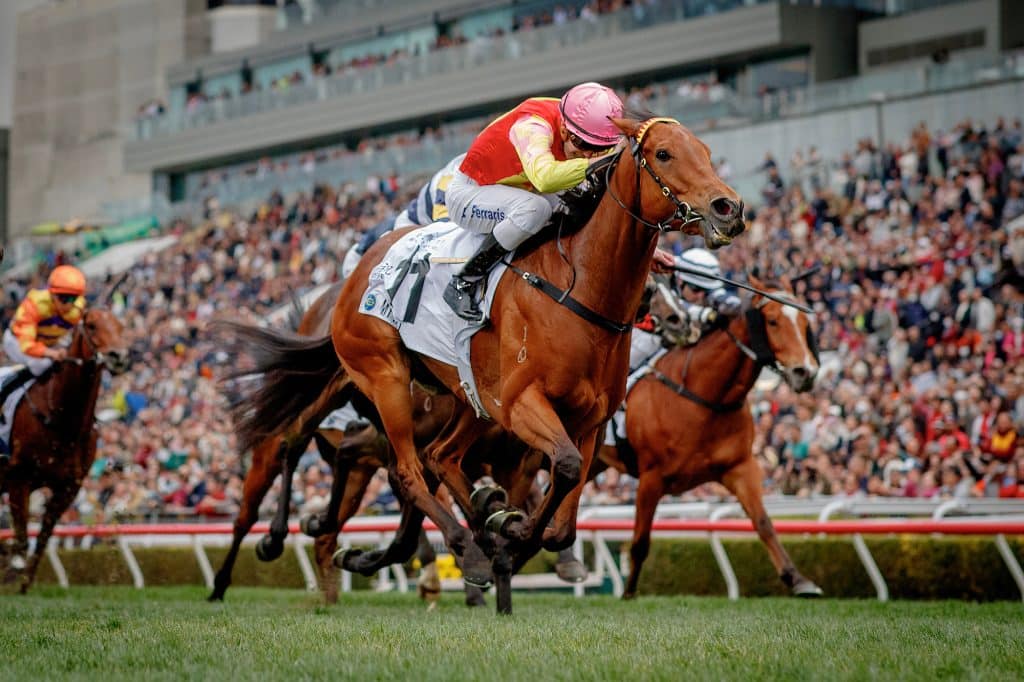
My Wish is a horse which is an example of that. He developed out of that first season for Newnham, having been purchased, with the assistance of Derek Tam, off a Newcastle trial, when he was known as Lika Ryder and was trained by Steve Hodge.
“I think the only reservation on him was that he was small and a lot of owners in Hong Kong won’t buy a small horse,” Newnham said. “But, look, the trial was good enough for me. Steve’s recommendation was good enough. And I said, ‘well, look, as far as I’m concerned, he’s the right horse’.”
Two runs as three-year-old for a fifth and a second was parlayed into a four-year-old campaign which featured four wins, two seconds, two third and a fourth, including a victory in the Hong Kong Classic Mile and placings in both the Hong Kong Classic Cup and the Hong Kong Derby.
The son of Flying Artie won his first two starts back at Group level this season, claiming the Celebration Cup and the Sha Tin Trophy before a last start fourth in the Jockey Club Mile.
My Wish is expected to be a leading chance in the Hong Kong Mile, a race which has been won by Hong Kong-based horses for the past five years, three of those by the legendary Golden Sixty.
A Group 1 win on international day would be an obvious feather in the cap for a man who for years used to come to this feature meeting as an interested tourist.
Times may have changed, but it hasn’t diminished his enthusiasm for the feature meeting.
“It’s a lot harder now. There are a couple of nights I’ll just miss this week just so I get enough sleep and can do my job,” he said.
“I used to come here each year with my wife and really enjoyed the week. I don’t know anyone that ever comes here once – once they’ve been and had such a good time, they generally come back.”
Author

Related Articles
Sydney’s trainers hit with modest rent increases after ATC compromise
The Australian Turf Club will increase stable rents in line with CPI after backing away from a 10 per cent hike that was planned last August.
ATC wins court reprieve from administration until at least February
The Australian Turf Club will stay out of Racing NSW-imposed administration until at least February, after the Supreme Court of NSW issued a new order preventing any further action until the matter can go to a further hearing.
New blood at Racing NSW – Olympian and business veteran join board
The NSW state government has announced replacements for Garry Charny and Tony Shepherd on the Racing NSW board, with an Olympian and a Venues NSW board member joining the thoroughbred industry regulator on four-year terms.