
Whispering heights – Blattman’s journey from Filante to Inglis hopeful Elio
Veteran horseman Paul Blattman has spent decades shaping some of Australia’s finest thoroughbreds, but it is the new generation of equine talent that continues to fuel his passion.
When Mouawad was winning Group 1s, Filante was a star for Jack Denham and Clarry Conners was collecting Golden Slipper trophies for fun, there wasn’t the proliferation of sales company restricted races that dominates the calendar these days.
Renowned horse breaker Paul Blattman can’t help but be nostalgic about the way racing was back in the ’90s, particularly considering his close association with some of Sydney’s top horses, but he’s equally making the most of the significantly different landscape and the lucrative prize money on offer.
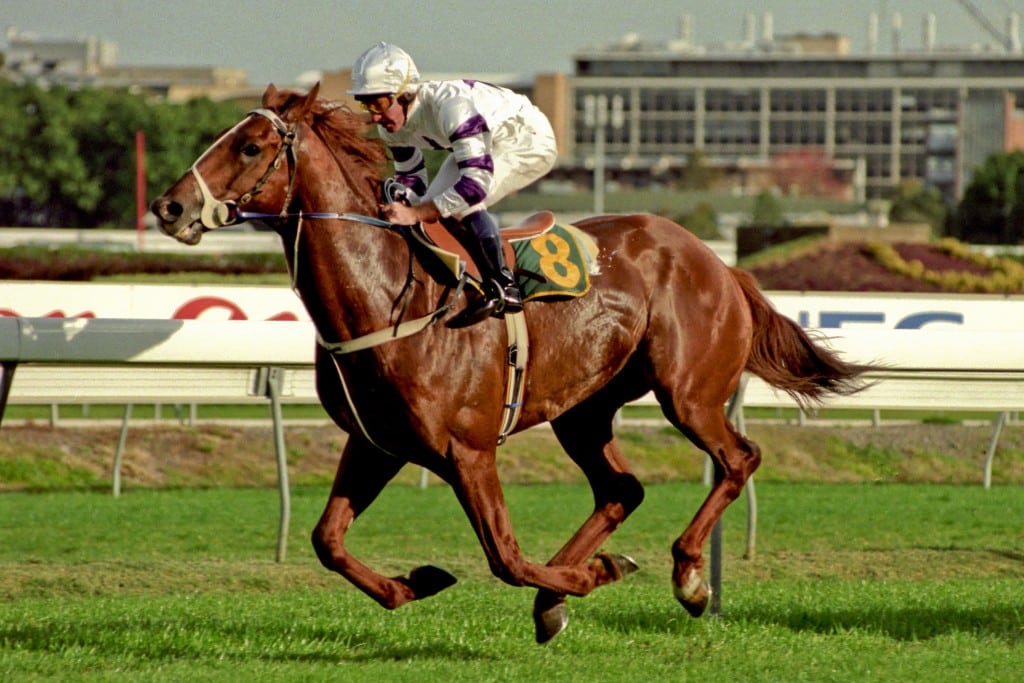
During Blattman’s decades as a horse breaker he has laid his hands on Group 1 winners Pierro, Samantha Miss, Dance Hero, Catbird and Conners’ four Golden Slipper winners Tierce (1991), Burst (1992), Prowl (1998) and Belle Du Jour (2000) as well as a host of other good horses.
But he says Filante may well have been the best of them all even though his record as a two-time Group 1 winner is arguably overshadowed by some of the other turf greats he’s put a saddle on.
“Jack rang me up one day and he said, ‘what do you think of that horse?’ And I said, ‘geez, he’s a good sort’ and he replied, ‘I didn’t ask you that. That’s why I bought him. I asked you, how does he go?’. So, I told him, ‘well, he goes as good as he looks’.”
That was in the mid-1990s when the son of Star Way was winning an Epsom Handicap, a Yalumba Stakes in Melbourne, back-to-back Warwick Stakes and a Chelmsford.
In the almost three decades that have passed since Blattman, now 71, has remained one of the main go-to horse breakers for many of Sydney’s top trainers and breeders.
It was his long-standing relationship with Hall Of Fame trainer Gai Waterhouse that led Blattman to co-owning last year’s Magic Millions 2YO Classic winner Storm Boy as well as current two-year-old Elio.
An Inglis Classic graduate, Elio is slated to contest Saturday’s $400,000 Inglis Nursery at Randwick, potentially providing Blattman and his fellow syndicate members with a quick return, just as Storm Boy did two years ago.
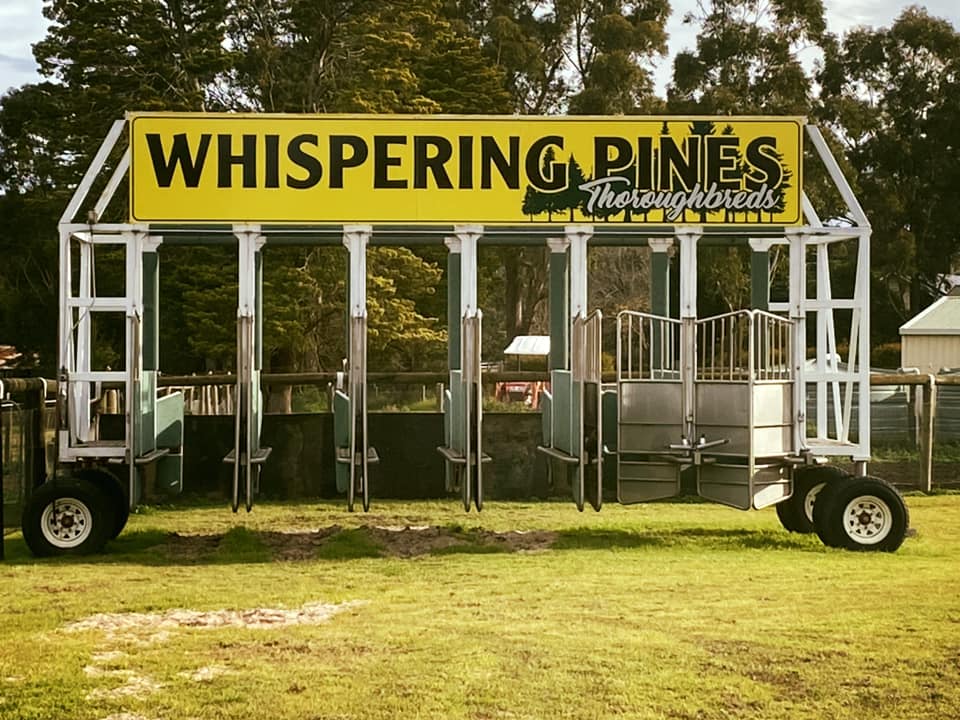
Although Storm Boy, a powerful Justify colt, never set foot on Blattman’s Whispering Pines Thoroughbreds property at Oakdale in Sydney’s outer south west, the horseman could not be anything but taken with the presence of the then yearling.
Thus, with little urging required, he brought his mates from Penrith along for the ride after a regular gathering at the Log Cabin Hotel where Blattman had organised Waterhouse to be the guest speaker at one of their monthly functions.
“She agreed to come as long as she could bring a couple of horses, because Gai being Gai is always working and said she’d be able to sell them something,” Blattman recalled.
“The horse float came out, two horses on the float, a colt and a filly. I guess that would have been in June, so they were still yearlings. And the filly came off and she was a lovely Too Darn Hot filly, but when he (Storm Boy) came off the float, honestly I just thought, ‘wow, this is a machine’.
“I knew nothing else about him other than my experience, looking at him as a type of horse. He was big, strong, and the things that you always think about or worry about is how long can he stay a colt, and I thought his temperament was good, because there were 200 people standing around him in the beer garden, and he never turned a hair.
“The other thing was that we would geld them if they became too heavy, as he was such a big horse, but from his knee down he had such massive bone, so I thought that’s not going to bother him, he’s in proportion.”
As fate would have it, Blattman’s group took a 20 per cent share in the colt who would win his first four starts, and three by mid-January including a Magic Millions domination which led to Coolmore paying $22.5 million to buy into the Waterhouse and Adrian Bott-trained colt.
He won the Skyline upon his autumn return and started $2.60 favourite in the Golden Slipper.
“If he won the Slipper, that would have turned into $50 million. That didn’t happen, of course, and then there were a couple of other races if he won those, it would have made it $60 or $70 million all up,” said Blattman, far from disenchanted.
With a Magic Millions trophy in his keeping, Blattman and his mates from Penrith are now eyeing more silverware and a financial windfall from the other Australian auction house, Inglis.
The Panthers Racing syndicate played up some of their Storm Boy winnings by taking a share in the Waterhouse and Bott-trained Elio, an Ole Kirk colt who ran a debut fourth in the Max Lees Classic over 900m at Newcastle in mid-November.
He will have his second start in Saturday’s Nursery and Blattman has reason to be optimistic about the colt’s chances in the sales-restricted race.
“They just ran him off his legs a bit, but he trialled again last week, and he won the trial easily. Adam Hyeronimus got off it and said, ‘mate, this horse improved out of sight’,” Blattman said.
“And Gai herself said, ‘this is a 1200m horse all day long. That 900 was just too quick for him’. So, he’s a promising horse. How good? I guess we’re going to find out.”
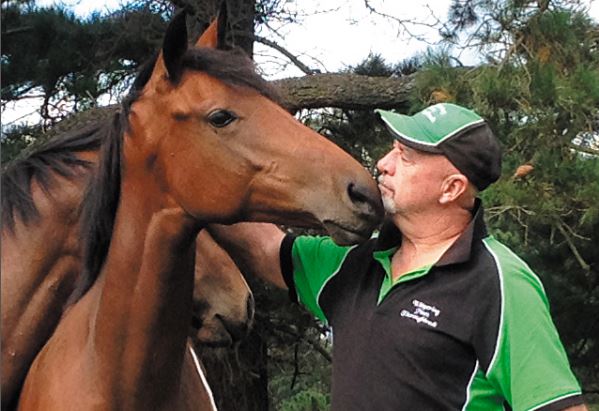
Blattman and his team at Whispering Pines Thoroughbreds educated the second crop son of Vinery Stud’s champion first season sire who his trainers bought for $250,000 at this year’s Inglis Classic in February.
“He wasn’t a big horse, and I always said, ‘oh, I don’t know whether I’d buy another smallish horse’ because Storm Boy was a monster,” Blattman said.
“But he was such a good mover, and he had such a good temperament, and the first thing was, also with Storm Boy, that he’s every chance of staying a colt.
“He’s so relaxed and he was a good mover. My riders at my farm, every one of them just got off and said, ‘gee, this just goes nice, he floats across the ground’.”
Blattman intuitively knows a good horse from a bad one, his decades working with racehorses at one of their most critical junctures, their breaking-in process, has taught him that.
“The bad ones stick out and the good ones do as well. The ones in between are harder to tell,” he says.
Author

Related Articles

Munz and Messara lead push for independent control of Australia’s black-type races
Australia’s most influential breeders, led by Jonathan Munz and John Messara, have formed a new industry alliance to wrest control of the nation’s black-type race Pattern from Racing Australia, backing an independent committee they say is essential to restoring international credibility.
A Toronado turnaround: Swettenham star makes stunning recovery to return to breeding barn
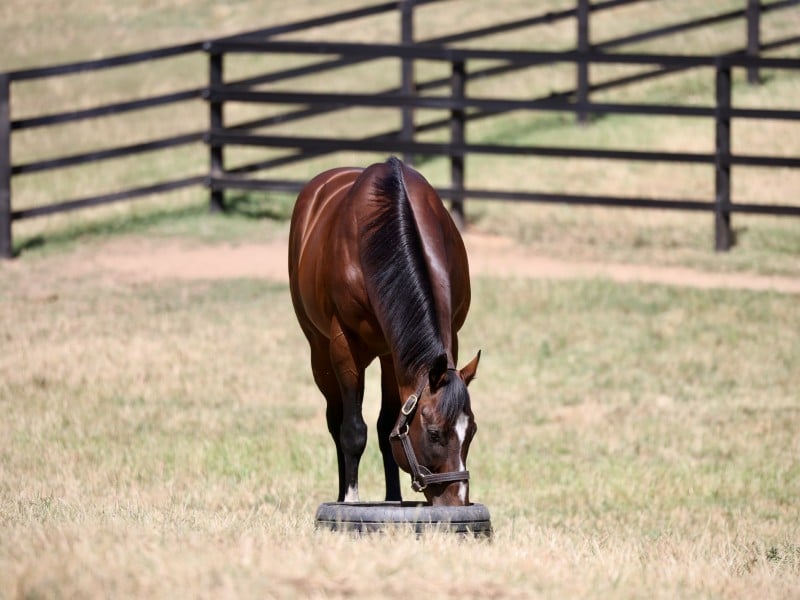
Toronado made an unexpected return to the Swettenham roster this year after he made a rapid recovery from a severe hock injury that had principal Adam Sangster on tenterhooks.
Bumper line-up assembled for Magic Millions Perth Yearling Sale
Magic Millions has released the catalogue for its 2026 Perth Yearling Sale, with 358 lots to be sold over two days in February.