
RWWA cuts jobs, targets $20m savings
Up to 40 roles will go as Racing and Wagering Western Australia leans on the TABradio sale, a shift in broadcast and integrity operations and a streamlining of WA TAB’s retail network to deliver more than $20 million in annual savings.
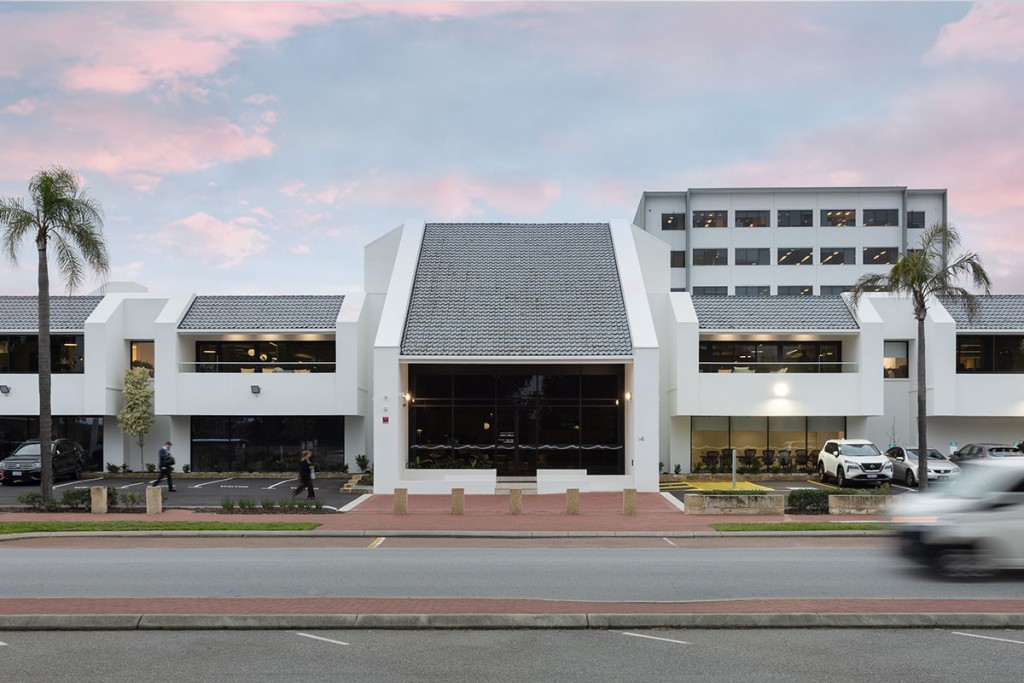
Western Australia’s racing regulator is preparing for a significant cost reset, forecasting more than $20 million in annual savings and 40 job cuts as part of a wide-ranging restructure amid an ongoing inquiry into the industry’s long-term financial viability.
The operations of Racing and Wagering Western Australia (RWWA) will be overhauled as part of a staged bid to improve financial sustainability, following losses of $40 million in 2023/24 and more than $17 million in 2024/25.
Savings would come from multiple areas of the business, including restructuring, asset sales, and changes to service delivery across wagering, broadcasting and integrity, The Straight has learned.
Central to the savings measures will be the previous sale of TABradio to SEN, new outside-broadcast arrangements, and centralising race‑day television hosting at RWWA’s head office, in addition to optimising the WA TAB retail network.
RWWA denied that the cost-cutting measures were a knee-jerk reaction to the WA government’s ongoing review into the health of the state’s racing industry.
Instead, the regulator says they form part of a longer-term recalibration rather than a short-term response.
RWWA, which is responsible for all three codes – thoroughbred, harness and greyhounds – also differs from most other Australian principal racing authorities as it operates its own wagering arm under the auspices of the WA TAB.
“More than $20 million in annual costs have been removed from the business compared to the 2025/26 budget, with the majority of savings in place from the start of the 2026/27 financial year,” a RWWA spokesperson told The Straight.
“The savings reflect a series of deliberate decisions made over time, rather than a single or sudden change, focused on how RWWA operates, where it invests and increasing financial discipline in a challenging operating environment.”
The regulator said 40 roles had been reduced across the organisation, with some linked to the sale of TABradio as part of a broader consolidation of core functions.
“Some role reductions relate to the TABradio transaction,” the spokesperson said.
“Beyond that, most changes have occurred through attrition – positions not refilled after review and fixed-term contracts ending – with a small number of redundancies.”
RWWA’s 2024/25 annual report laid bare ongoing operating losses, citing structural pressure on wagering, rising integrity and infrastructure costs, and intensifying competition from national online bookmakers, which have eroded traditional revenue streams.
Disquiet has persisted among parts of the WA thoroughbred training ranks over prize money growth, the viability of regional meetings and what some see as a growing gap between administrative reform and on-track investment.
RWWA convened an industry summit in October with a bloc of high-profile trainers who expressed concern about the industry’s future direction.
That tension has fed into a WA government-commissioned inquiry into the industry’s long-term financial viability.
The ongoing review is expected to examine funding models, governance settings and structural sustainability.
A key step in the implementation of the restructure has already taken place with the sale of TABradio to Sports Entertainment Network, which RWWA said would deliver more than $2 million in annual savings.
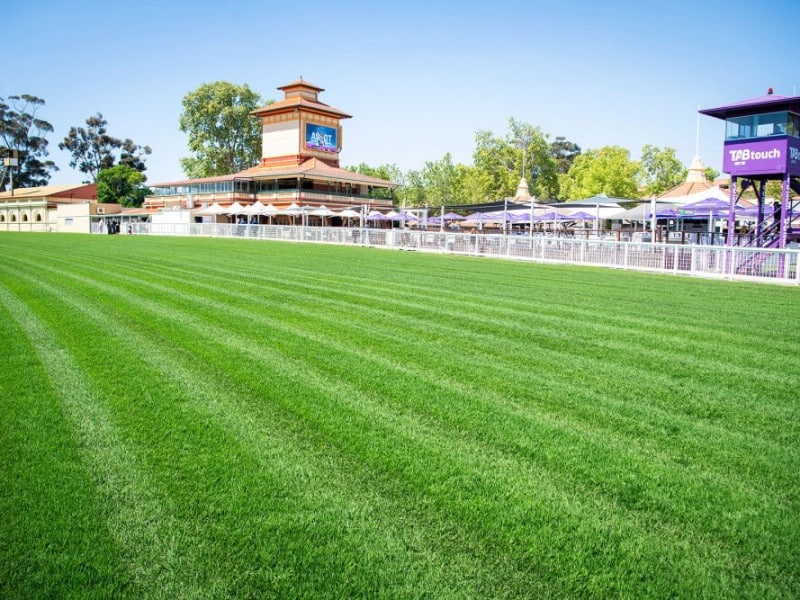
Broadcasting is also being reworked, with more than $1 million in savings forecast through new outside broadcast adaptations and consolidated race-day television production.
Integrity operations will also be trialled via a Perth-based “stewards’ bunker”, allowing selected meetings to be supervised remotely to cut travel and simplify processes.
Changes are also flagged in the retail wagering sector, with likely closures of some TAB agencies as betting continues to shift online to RWWA’s digital platform Tabtouch.
Further cuts include changes to the equine retraining program and reductions to the Racing WA Community Fund – removing regional grants and winding back the Giving Back Program – alongside lower corporate sponsorship support.
Internal spending will also be tightened, with fewer industry and corporate events, as RWWA prioritises core service delivery over discretionary outlays.
Racing stakeholders have said the financial pressures on RWWA were a serious issue for an industry that plays a major role in the state’s economy and employment landscape.
WA racing contributes about $1.3 billion annually to the state’s coffers and supports around 10,000 full-time jobs, rising to more than 25,000 when associated industries are included.
The WA racing industry had consistently argued that the current funding model was no longer working, with wagering tax receipts, race fields income and WA TAB profits declining while operating costs continued to rise faster than inflation.
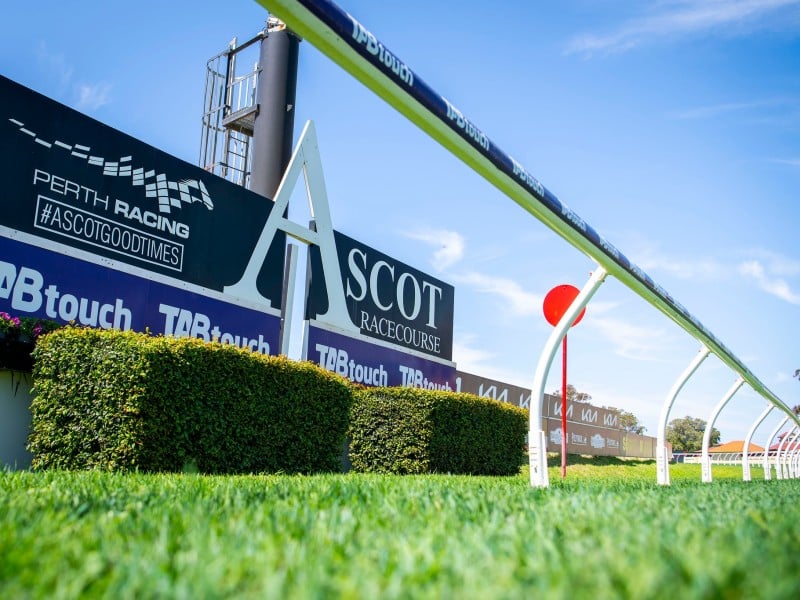
Perth Racing chief executive James Oldring told The Straight in January that increasing compliance fees, including those under anti-money-laundering regulations, had significantly affected the profitability of wagering operators, including the WA TAB, thereby limiting its capacity to support racing distributions.
He said any reduction in funding, whether through prize money or club distributions, would have immediate and far-reaching consequences for workers across training, breeding, veterinary services, transport, hospitality and wagering.
However, RWWA has since announced that it will maintain base prize money at current levels for the 2026/27 racing season across the three racing codes.
The WA review is headed by Labor politician David Templeman.
He has been joined by Professor Warren Harding, who has extensive experience managing government and corporate projects at a partner level with international consulting firms.
Related Articles
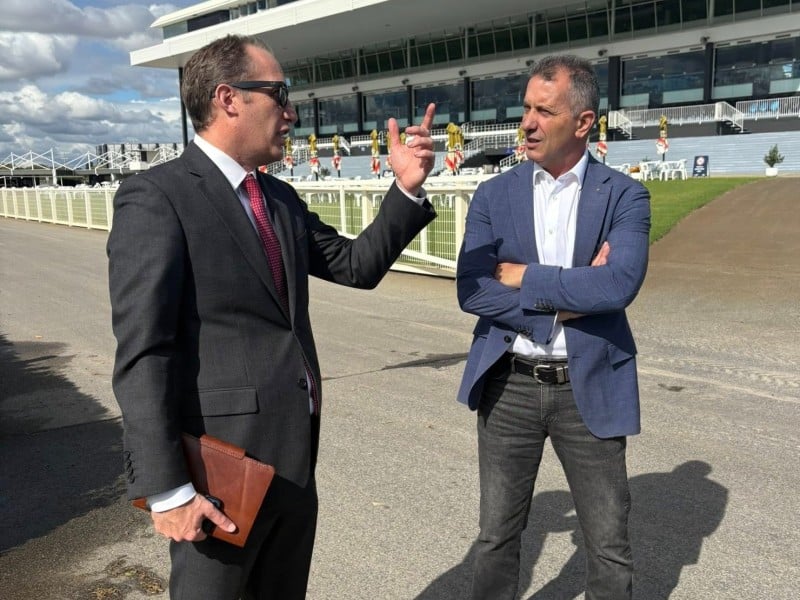
‘No one is trying to buy it’ – WA TAB future and racing review under scrutiny in estimates hearing
The future of the WA TAB, political appointments, money-laundering fears and racing’s shrinking revenue base have collided in a budget estimates exchange between Western Australian Racing Minister Paul Papalia and opposition spokesman Lachlan Hunter.
Extra race dates confirmed for new season by NZTR
While New Zealand Thoroughbred Racing is yet to confirm what prize money levels will be available next season, the regulator has released its race dates for 2026/27, with two extra meetings planned.
Australian racing faces black-type shake-up as key Pattern meeting looms
The future of Australia’s black-type calendar, and the status of a host of Group 1 races, is set to be discussed at a crucial meeting in July, but those involved in advising the Asian Pattern Committee, have been forbidden from any public discussion over their deliberations.