
ASIC seeks feedback on syndication requirements, but unlikely to make major changes
An “uneven playing field” which sees syndicators subject to greater compliance than trainers when it comes to the promotion or sale of racehorses is likely to continue, as Australia’s lead corporate regulator reviews the laws around managed investments.
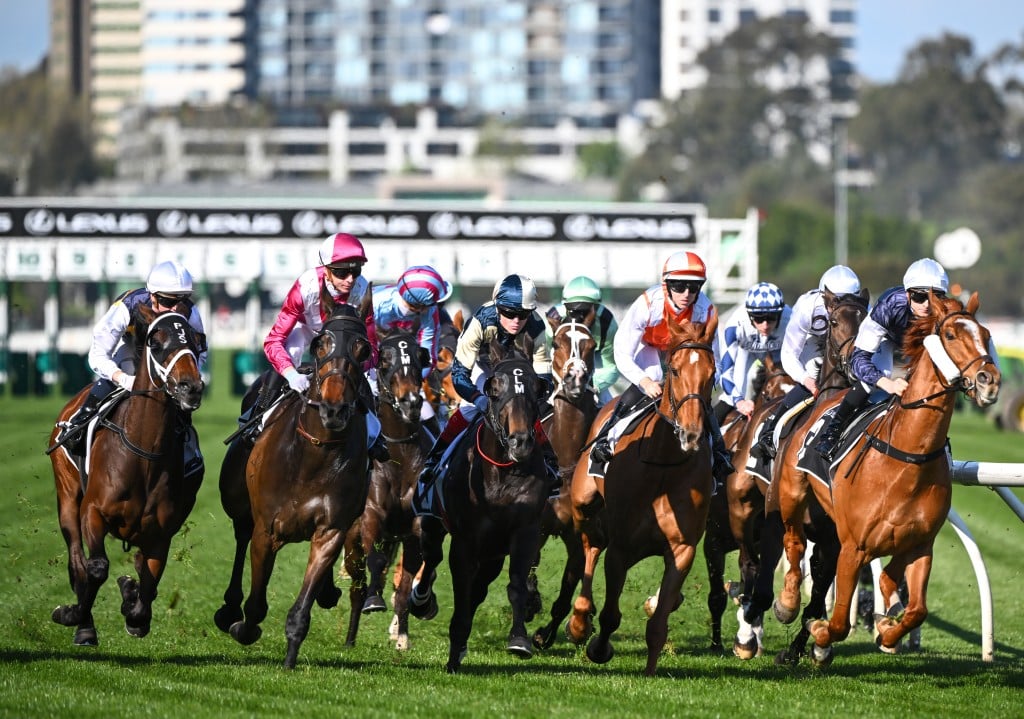
Corporate regulator ASIC is unlikely to make any major changes to the laws governing the syndication and sale of thoroughbreds or breeding syndicates, as it reviews the instrument which governs “Horse Schemes” for the first time in 10 years.
With the current legislative requirements set to expire on October 1, ASIC is reviewing the details of a range of legislative instruments relating to managed investment schemes.
This includes the booming syndicate ownership model, with current requirements set out regarding whether promoters must hold an Australian Financial Services licence, whether they need to be registered with principal racing authorities (PRAs) and produce Product Disclosure Statements, and whether they must comply with the $500,000 threshold for individual investments.
These usually apply to those who promote or advertise syndicates, but also have applications to private horse breeding schemes, such as private stallion or broodmare syndicates.
ASIC regulates the industry under the Corporations Act but empowers the state-based PRAs to apply that as lead regulators.
There was a possibility that ASIC might seek to clarify its definition of the instrument to include trainers who buy horses and intend to resell them.
There is currently an inconsistency: a syndicator who buys a horse must await the production of a product disclosure statement (PDS) before publicly marketing that horse for sale, while trainers can immediately begin selling down on the drop of the hammer.
But while several syndicators spoken to by The Straight on the condition of anonymity expressed misgivings about that inconsistency, saying it represented an “uneven playing field”, trainers have said that the additional compliance on them would be a considerable disincentive for their own investment.
Syndicators are reluctant to speak publicly about the issue as they don’t want to sour existing relationships with their trainers.
The depth of the trainer and syndicator buying bench is a crucial aspect of the middle market, which has been a strength of the Australian bloodstock industry.
ASIC leaves the definition of a managed investment for the PRAs to enforce and it is believed the state-based bodies have previously received legal advice which differentiates trainer-sold horses to those which are syndicated as the former sees the owners manage day-to-day investment and management of their horses.
The Straight believes there is a possibility that the PRAs may seek to reduce some compliance burdens on syndicators to narrow the gap between their obligations and those of others, such as trainers.
However, ASIC has indicated it will not be making major changes, meaning it will not extend its powers to compel trainers to fulfil the same requirements, and it will remain up to PRAs to determine the line.
ASIC did say it was keen to seek feedback on at least two aspects of the Horse Schemes provision, and this may shape opportunities to change.
“We have assessed that these legislative instruments continue to form a necessary and useful part of the legislative framework,” a note sent out by ASIC last week said.
“Aside from minor and technical changes to the instruments to improve clarity and consistency, we are proposing to leave the content of the instruments largely unchanged.”
It is asking for feedback on any changes, with specific questions around the syndication requirements.
“Is the relief under the instrument fit for purpose? Can the relief be amended to reduce complexity and/or compliance burdens while maintaining appropriate consumer and protections? If so, how?” it asked.
It also asks whether the threshold, which currently prevents syndicators from managing more than $500,000 in an individual horse, should be reviewed.
“Are the key thresholds in the relief appropriate, particularly the limits on the amount raised from the issue of interests in a horse racing syndicate, and the number of participants in the syndicate, for the purposes of relying on the relief in section 5? If not, why not?”
The average price of a yearling across Australia’s major sales has risen from $102,980 when ASIC last fully reviewed the instrument in 2016, to over $156,264 in 2026. In 2016, it raised the syndication threshold from $250,000 to $500,000.
Regulated syndicators may spend more than $500,000 on an individual horse but can not have more than that value as part of a managed fund. That may mean, for example, that 75 per cent of a horse may be owned by a syndicate up to the threshold, and the other 25 per cent by non-syndicated investors.
Syndicators can also escape requirements to produce PDSs, etcetera, where they may have pre-commitment to shares in horses and sell them down at the ‘knock down’ price, and therefore do not need to promote or advertise shares.
ASIC’s window for feedback closes on June 24.
It is also believed that syndicates have been recently contacted by the financial crimes regulator AUSTRAC, restating their obligations under anti-money laundering and counter terrorism funding compliance.
AUSTRAC is releasing new threshold transaction report (TTR) and suspicious matter report (SMR) forms on July 1, but syndicators can transition across any time until March 2029.
There are no changes to cross-border movement or international funds transfer reporting at this stage.
AUSTRAC requires syndicators to submit threshold transaction reports if they receive $10,000 or more in cash for payments. It recently lowered the TTR requirements for cash for gambling and wagering companies to $ 5000.
Author

Related Articles
Zoustar and Capitalist’s battle for bragging rights goes down to final day
Capitalist and Zoustar’s prolific winner-getting seasons will come down to the wire for who will be declared the country’s premier sire with meetings on Friday in NSW and Victoria likely to determine the winner.
Member Exclusive Member Exclusive Living in the juvenile past? What will become of Australia’s two-year-old racing?
The decline of participation in Australia’s two-year-old ranks is accelerating, prompting strategic resets by some of the country’s biggest stables, and questions about whether the racing program needs to adapt to meet the new reality, writes Bren O’Brien.
Rowe On Monday – the Selangor Mile edition
Tim Rowe found himself in Malaysia this weekend for the country’s richest race, where ex-Australian horses were to the fore, the punters were back after the distractions of the World Cup, Jett Stanley was making an impression, and a tribute to a New Zealand legend was on display.
