
🔒 🔒 Staying on track – Railway Stakes’ Group 1 reprieve comes with a warning
The Railway Stakes may have retained its Group 1 status, but a prominent racing official says Australia’s handicap features face growing pressure to meet increasingly stringent international ratings benchmarks.
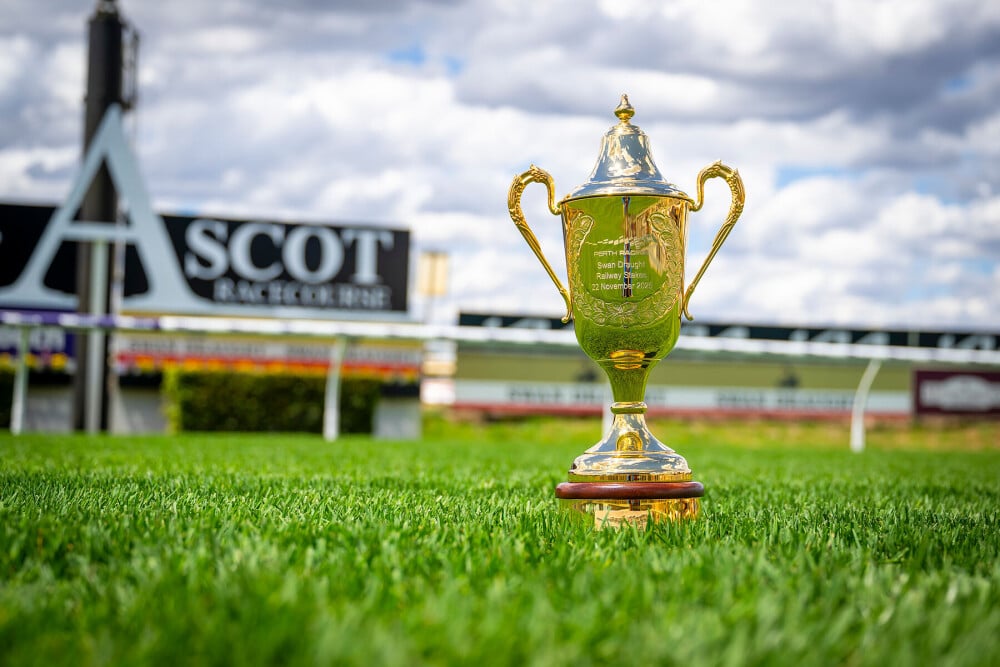
Australia’s remaining Group 1 handicap races are likely to come under increasing scrutiny as international authorities place greater emphasis on ratings when assessing their status, according to a senior racing administrator.
Perth Racing chief executive James Oldring believes the Railway Stakes can preserve its place among the nation’s elite contests after surviving a review by the Asian Pattern Committee (APC), but only if the historically significant race continues to attract the strongest possible fields.
The Asian Racing Federation confirmed in early July that the Railway Stakes would retain its Group 1 classification for this season despite being under the microscope for a downgrade among the first Pattern decisions made since control of Australia’s black-type system was removed from Racing Australia.
For Oldring, the decision was welcome recognition – and relief – of a race that occupies a unique place in WA racing, but he accepts preserving its status will require a continued effort and thinking.
“I don’t think you can underplay the significance of the Railway Stakes to Western Australian racing,” Oldring told The Straight.
“It’s our oldest Group 1, it was named after a monumental event in Perth history with the extension of the railway line out to Ascot, which effectively played a huge part in raising the popularity of racing and the accessibility of racing to anyone that was in Perth at the time.”
The Railway Stakes, first run in 1887, predates every other Group 1 race in the state and remains the race most coveted by owners, trainers and jockeys despite the emergence of newer features such as The Quokka.
“If you ask any one of the participants what they want to win, or what’s the one race in WA you want to win, it’s the Railway Stakes,” Oldring said.
“William Pike was interviewed just this week and his highlight of the season was the Railway Stakes because of how difficult it is to win and how much prestige there is attached to it.”
Oldring hopes that heritage will continue to be recognised when Australia’s Group 1 races are assessed, although he acknowledges history alone cannot protect a race from ratings-based critique.
“I don’t think (the scrutiny) is unique to the Railway Stakes,” he said
“I think any handicap Group 1 race in Australia will be feeling similar pressures.
“The construct of the race is such that it encourages the progressive up-and-coming horses to get in on a decent weight and they’re very, very competitive, and that then puts pressure on the well-established, highly rated horses that have to carry significant weight against those improving horses.
“It is the nature of Group 1 handicap racing that it is going to be challenging to maintain the level of rating that you need to strictly qualify.”
The Railway Stakes was one of three famous races spared after review of the first half of the season, with the APC leaving The Metropolitan and Victoria Derby at Group 1 level despite concerns over their ratings in recent years.
Those decisions formed part of an unprecedented intervention by the Asian Racing Federation (ARF) after Racing Australia lost responsibility for administering Australia’s Pattern following years of governance issues that left the country’s black-type system effectively stalled.
The ARF assumed oversight through the APC, supported by a newly established Black Type Advisory Group, with the federation stating the temporary arrangement would remain until Racing Australia establishes “a functioning system operating in accordance with the APC ground rules”.
Oldring said Perth Racing’s focus was not on the politics of the Pattern process but on ensuring the Railway Stakes attracts the strongest field possible.
“The onus really is on us to make sure it’s the best race it can possibly be,” he said.
Perth Racing will again lean heavily on its established incentive program, which helps offset travel and stabling costs for interstate horses competing during The Pinnacles carnival.
“We’ve got a fairly well-documented incentive scheme that’s already in place to bring the very best horses we can across from the eastern states,” Oldring said.
“There’ll be plenty of phone calls to those trainers to say, ‘what have you got this year? What are you going to bring to Pinnacles’?'”
Oldring said Perth’s summer carnival now offered enough depth to justify the trip west, with four $1.5 million races providing opportunities for horses to contest multiple features across several weeks.
“We’ve tried to schedule the program to make sure it appeals to the broadest possible range of horses and gives them two chances at $1.5 million,” he said.
“It’s a very long way to come for one run, but some horses stay here for the best part of two months and have an extended campaign in WA and they’ve done very well.”
“The onus really is on us to make sure it’s the best race it can possibly be” – James Oldring
He said the success of interstate raiders after returning home had also become a selling point for Perth Racing – and any discussion over adverse Pattern changes.
“There are an awful lot of examples of horses coming over here, running well and then going on and elevating back over east,” Oldring said.
“I think there’s becoming a recognition now that it isn’t necessarily an arduous trip for them to make … the horses thrive here.”
While the Railway Stakes escaped a downgrade this year, Oldring knows its position cannot be taken for granted.
“I’m a big believer that you can control the controllables,” he said.
“It’s our job to deliver the best possible racing we can in WA that appeals to the best horses, make it as easy as possible for them to get here and be competitive and make sure the Railway Stakes remains the race everyone in Western Australia wants to win.”
Related Articles
The greatest workforce challenge – Turning passions into professions
Every year passionate and capable professionals leave the racing, breeding and wagering industries because they cannot see a sustainable career ahead of them. Bren O’Brien says this remains one of the most important challenges for these industries to confront.

Quartet vies for three spots on Melbourne Racing Club committee
Three existing executive committee members and one fresh face will contest the Melbourne Racing Club elections, as the club looks to steer into calmer waters after the upheaval of the past 24 months.
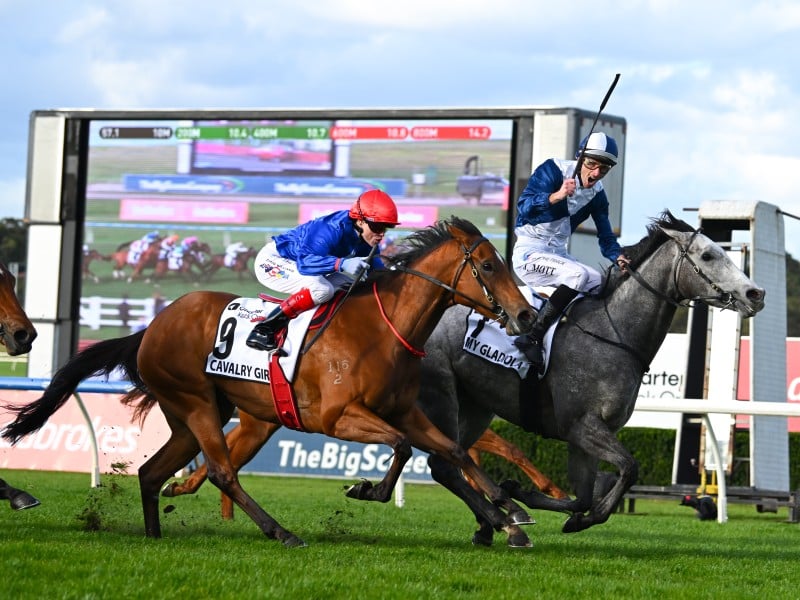
Gladiola blooms in Group 1 Moir as Mott and McArdle combine for first Group 1 in partnership
My Gladiola atoned for two previous narrow Group 1 defeats, with a hard-fought Moir Stakes win in a marquee moment for trainer John McArdle and stable jockey Jamie Mott.
