
A betting blue – Ex-punter free to pursue refund of $522,000 in losing bets
A former BlueBet punter has won the right to pursue $522,000 in betting refunds after the Northern Territory Racing and Wagering Commission ruled the bets null and void because the corporate bookmaker breached two conditions of its licence.

The complex case was resolved in the Commission last month, nearly four years after the complaint was first made in 2021.
The Commission found that BlueBet, which has since undergone a merger with betr, had breached condition 15 of its licence regarding its responsible service of online gambling, and condition 19 regarding a failure to correctly record correspondence and complaints from a customer.
Those two breaches cost BlueBet $26,690 in fines for each incident, for a total of $53,380, the maximum penalty available to the Commission when the breaches took place.

More significantly, the Commission determined that all bets placed and deposits by the account holder between August 7, 2021 and December 1, 2021, were null and void.
The Commission is not empowered to compel the bookmaker to refund the bets or deposits made but it is open to BlueBet to voluntarily refund the punter, or for the complainant to explore other available legal avenues to pursue recovery.
The Commission determined that BlueBet should have picked up red flags in the account holder’s gambling behaviour from soon after he re-opened and started using his account in August 2021.
It was found that the account holder sustained losses totalling just under $570,000 in the next four months, having deposited just over $700,000 into his account and withdrawing $143,000 from it. The losses resulted from placing bets with a combined stake amount of almost $6 million.
 Bren O’Brien
That began with two 11-hour wagering sessions in the first two days, where he deposited on 18 different occasions, and lost $45,600 across 450 different bets. The Commission found BlueBet should have detected red flags in the account holder’s behaviour at this point.
In August, September and October, the account holder had continuing losses and repeatedly contacted BlueBet requesting bonus bets.
In November, his betting activity intensified, with 17-hour betting sessions recorded during this period, while his overall losses topped $400,000 since August.
The Commission described BlueBet’s responses to these red flags as “minimal” and “inadequate”, which included an attempted call to the account holder on November 15.
On November 27, the account holder deposited $100,000 in a single day.
On December 1, BlueBet’s account manager contacted the account holder to discuss his recent betting activity. It was also found that on that day the account manager contacted the holder via mobile phone and that call was not recorded, a breach of BlueBet’s licence conditions. A few hours later, the account was closed.
“Given the numerous earlier red flags, it is extremely concerning that it took the complainant himself reaching out to BlueBet for his account to be closed,” the Commission said.
“With numerous warning signs already in place, BlueBet should have taken more proactive measures to intervene before the situation had reached this point.
“BlueBet missed multiple opportunities for timely and appropriate action and it’s disappointing that the responsibility fell on the Complainant rather than BlueBet taking a more assertive role in protecting the Complainant from further harm.”
 Warwick Barr
While the Commission recognised BlueBet’s relatively positive regulatory history, it levied the full fine available to it against the bookmaker.
It also ruled the bets and deposits made null and void.
“The NTRW Commission has found that BlueBet failed to respond appropriately to multiple and repeated red flag behaviour exhibited by the complainant from 5 August 2021, and that this failure continued for several months,” it said.
“The seriousness of this sustained inaction, particularly after BlueBet’s own responsible gambling team identified the complainant’s behaviour as warranting contact – leads the NTRW Commission to conclude that the integrity of the subsequent betting activity was compromised.”
Author

Related Articles
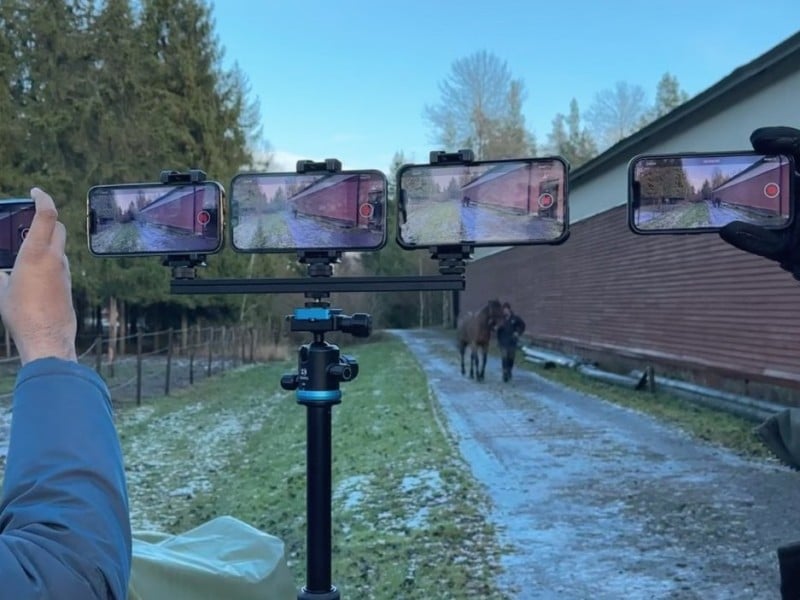
Sleip learning curve – Racing NSW to trial AI gait technology rather than mandating use
Amid a stern backlash from trainers about the lack of consultation and the Racing NSW veterinary department’s planned implementation of the Sleip App, the regulator has revealed it will embark on a trial period following criticism from much of the training fraternity.

Tricks of the trade – Promotion lotteries in government’s sights
Over 80 companies that offer trade promotion gambling services, including major players in the wagering industry, are set to be impacted by a proposed federal government ban on lottery or sweepstakes products.

Silvasista chasing Group 1 gold – the Queensland Oaks runner with a famous connection
Silvasista’s Queensland Oaks bid has stirred memories of Shoot Out, the bargain yearling whose success reshaped the ambitions of Linda and Graham Huddy.
