
Sleip learning curve – Racing NSW to trial AI gait technology rather than mandating use
Amid a stern backlash from trainers about the lack of consultation and the Racing NSW veterinary department’s planned implementation of the Sleip App, the regulator has revealed it will embark on a trial period following criticism from much of the training fraternity.
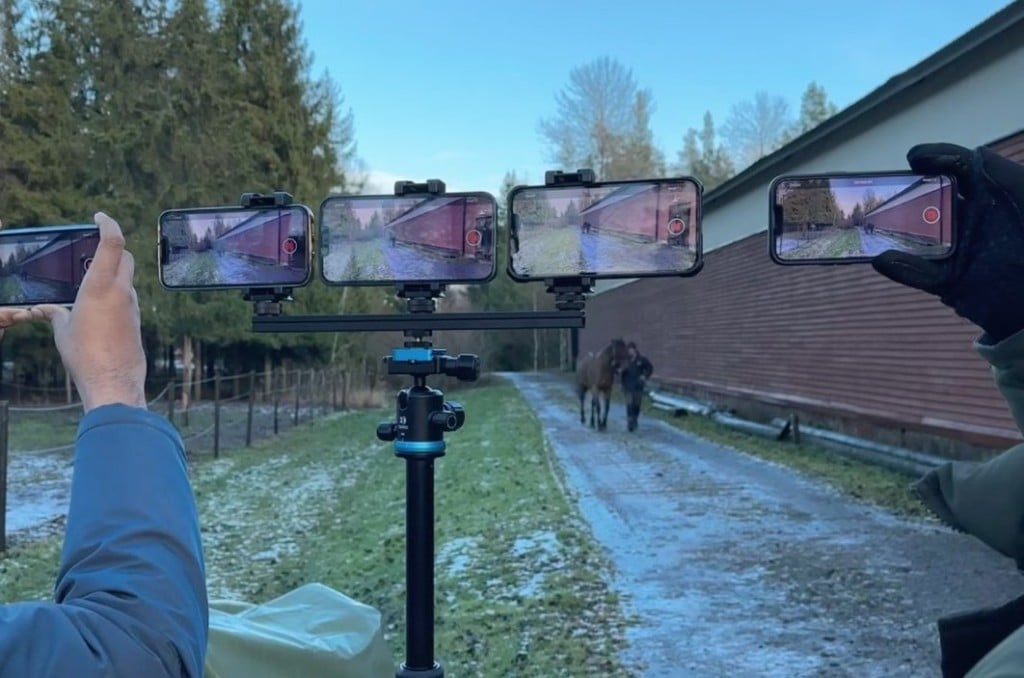
Racing NSW has backed away from its proposed mandatory state-wide introduction of an artificial intelligence app which assists in diagnosing lameness in horses, with a trial of the technology to instead be undertaken.
Trainers attending Friday’s Randwick-based equine welfare seminar, an annual forum held by Racing NSW’s veterinary department at various racing centres across the state, were told that the regulator would not be enforcing the use of the Sleip App from July 1.
Racing NSW was set to make it compulsory for all of its licensed trainers to video their horses trotting up on a weekly basis using the Swedish-developed technology.
The Sleip App interprets the gait of horses and can assist in identifying any potential lameness issues that may be present.
The cost of accessing the phone app, which was estimated to be into the millions of dollars a year, the added labour costs for trainers to meet the proposed Racing NSW requirements and who and how the data would be used were among many questions posed by participants since the regulator announced its technology plans on May 25.
NSW Trainers Association chief executive Richard Callander, who last week called on the regulator to trial the Sleip App first, welcomed Friday’s decision by Racing NSW.
“We understand the philosophy and the good technology behind it, but there’s also got to be a thorough process and work through it and now it looks like, after that first initial rushing period, they’ve come back and said, ‘right, we agree with the trainers, let’s go back, do all the seminars, then have a think about it’,” Callander told The Straight.
“(Racing NSW will) approach certain stables about doing a trial period and then collect the data after that and work it out from there.
“Whether it becomes the tool that they think it’s going to be (time will tell). At the moment, there were too many questions unanswered.”
It has not been confirmed whether Racing NSW will foot the bill for the trial or how long the trial period would last.
Callander credited Racing NSW chief vet Dr Carly Garling and the regulator’s chief operating officer Graeme Hinton for listening to feedback from trainers but he also posed relevant questions that would need answering before the Sleip App was implemented statewide.
“The part that worries the trainers is who owns the data and who has access to the data?” he said.
“(For example) John Smith has got a horse and he sells the horse online tomorrow, and then in three months’ time, Jessica, who’s bought the horse, finds that there was an issue with it on the Sleip App six months ago. What’s the legal standings around that?
“Is it buyer beware, or is there an avenue that (can be pursued?).
“If I read the licensing agreements correctly, it looks like the owners of the technology Sleip still have control over the data and we would find that unacceptable.”
Racing NSW has been contacted for comment but had not responded at the time of publication.
The regulator’s head veterinarian Dr Garling has spent the past two weeks criss-crossing the state conducting the department’s annual equine welfare seminars, which must be attended by all licensed trainers.
While at some of those meetings there have been heightened tensions between trainers and the regulator because of the uncertainty about the Sleip App, Randwick’s session was said to be much more civil with Garling revealing the trial would be undertaken.

Where some of the consternation regarding Racing NSW’s implementation of the Sleip App is how its diagnosis would be interpreted if and when it identified an issue with a horse which differs to that of a registered veterinarian’s opinion.
While Racing NSW intends to use it on its entire racing population of more than 10,000 horses, other states such as Queensland and Victoria are using the Sleip App for horses entered only for feature races.
Horses accepted for Saturday’s Queensland Oaks will be assessed by veterinarians with the Sleip App helping form their opinion on the soundness of those runners.
The Queensland Racing Integrity Commission, in its written advice to trainers, said the Sleip app “does not replace the judgement of the examining veterinarian”.
“But it can support a shared understanding with the horse’s connections of the horse’s action and reduce the need for last-minute requests for further information or investigation,” QRIC noted.
Racing Victoria has also used the Sleip App as part of its stringent spring racing carnival veterinary protocols for horses travelling to Australia for the Caulfield and Melbourne Cups and the Cox Plate, among other races targeted by international horses.
Ahead of last year’s Victorian spring carnival, a Sleip App recording of overseas horses was required as part of their pre and post-travel veterinary assessments.
“The data will continue to be compared to previous results and therefore, it is in your best interests to ensure the pre-export recordings accurately reflect your horse’s action over time and it is recommended that recordings are taken clear of medication, or other treatments, that may potentially alter a horse’s action,” RV wrote.
“Having a greater number of recordings will allow for a better appreciation of your horse’s usual gait, so frequent uploaded recordings leading up to the departure date for travel to (Werribee) would be valuable.
“A time frame of once every three weeks up until the time of the RV’s veterinarians’ scheduled examinations is suggested.”
The technology is also used by the Hong Kong Jockey Club and the British Horseracing Authority, with vision of Australia’s two Royal Ascot-bound sprinters Joliestar and Overpass sent to UK vets using the Sleip App.
Author

Related Articles

Silvasista chasing Group 1 gold – the Queensland Oaks runner with a famous connection
Silvasista’s Queensland Oaks bid has stirred memories of Shoot Out, the bargain yearling whose success reshaped the ambitions of Linda and Graham Huddy.
RA says software glitch to blame for SNS issue, rules out cybersecurity breach
A software problem, rather than any form of cybersecurity breach, led to recent issues with the Single National System, the key technological tool which is central to the running of Australian racing, according to Racing Australia.

ATC fee hike adds to mounting cost pressures on Sydney trainers
The Australian Turf Club will raise stable rents and track fees at its Sydney racecourses, adding a financial squeeze on trainers preparing to deal with a steep jump in labour costs.
