
A Royal visit – Darling View’s commercial push continues with stallion coup
Standing still isn’t an option for Brent Atwell, and the acquisition of Group 1 winner Royal Patronage signals the next phase in Darling View’s commercial expansion.
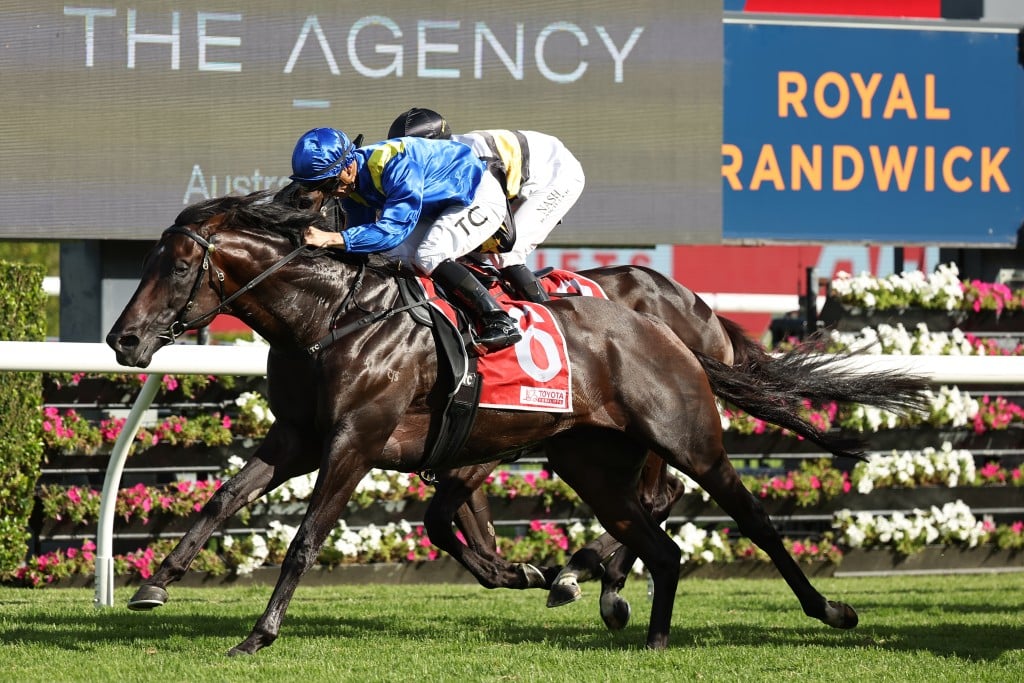
Young Western Australian studmaster Brent Atwell has the mentality that if you’re standing still you’re going backwards, an approach that’s led him to commercialising his family’s Darling View Thoroughbreds.
Confirmation of Atwell’s acquisition of Group 1-winning European import Royal Patronage, a son of the late Coolmore sire Wootton Bassett, is the latest example of his mantra of reinvesting in new stallions.
Royal Patronage, who will stand for a service fee of $16,500 (inc GST), joins a Darling View roster led by the state’s premier sire Playing God and young sires Splintex and Lightsaber.
Splintex’s first crop are two-year-olds and Lightsaber’s are yearlings, pointing to Atwell’s strategy of reinvestment.
The deal to buy Royal Patronage was completed prior to the rising eight-year-old ‘s final race start, which came in Saturday’s Group 1 All Aged Stakes at Randwick when unplaced behind Beiwacht.
“Never in my wildest dreams would I think that we’d get a horse with a race record like his,” Atwell told The Straight.
“He’s raced the best and beaten some of the best in the country. We’re very excited to have him over here.”
Trained by Gai Waterhouse and Adrian Bott, who purchased him for 300,000 guineas at the 2023 Tattersalls Autumn Horses in Training Sale after he’d had three starts as a four-year-old in the United States, Royal Patronage won a Group 1 Canterbury Stakes during his career in Australia.
Also placed in a Doncaster Handicap and an Epsom Handicap, Randwick’s two premier Group 1 mile races, Royal Patronage also won a Group 2 Tramway Stakes at Randwick in 2024 at his first Australian start.
In doing so he defeated Amelia’s Jewel, a Group 1-winning Siyouni mare raced by Western Australian owner-breeder Peter Walsh who became the pride of the state.
It was that performance that put him on Atwell’s radar and in the 20 months since the Darling View principal has been hoping to be able to negotiate a deal to buy the stallion prospect.
“It goes back to when he won the Tramway, when he first came here, and I looked up his pedigree, and at the time, Amelia’s Jewel was flying, and I saw that he was by Wootton Bassett, who was dominating in Europe, and that took my interest,” he said.
“When we started seeing him in these Group 1 races, I thought, all of a sudden he’s going to be too high (expensive) for us to stand in Western Australia, but I just kept in contact with the stable and pestered them a bit about stud deals,” said Atwell who runs Darling View with his father Clive.
“Eventually we had our opportunity to make an offer on the horse, and there was a few other farms, I believe, trying to buy him also, and in the end we were lucky enough to put a deal together and secure him for Darling View.”
Royal Patronage was twice a Group winner at two in England, winning the Acomb Stakes at York and the Royal Lodge Stakes at Newmarket, over 1400m and 1600m respectively, for trainer Mark Johnston and later his son Charlie.
Wootton Bassett died suddenly mid-southern hemisphere breeding season at Coolmore Australia last year and Royal Patronage will be the second of his sons to stud in Australia, following on from Swettenham Stud’s Wooded,
Royal Patronage also shapes as a potential heir to Playing God, who has become renowned for producing quality horses..
“We were extremely fortunate when we decided to buy Playing God (in 2020) and we didn’t think he’d reach the heights,” Atwell said.
“With Playing God in the twilight of his career, we need to find that next one and I’ve always believed, since we’ve been running a more commercial farm in the last 15 years, that if you tread water, you’re going to drown, so we keep investing.”
The Western Australian breeding industry has also evolved over the past decade, with a more collaborative approach between stallion farms and broodmare owners.
It led to stallions receiving bigger books of mares, giving them a chance to succeed.
“We’ve taken on the mentality that we do need to band together to make sure that we can support these horses and make sure that they have the best opportunity possible,” Atwell said.
“(Royal Patronage’s) pedigree says that he should be that middle distance type horse, but with the mares that we have over here, the speed-line mares … I think that he can produce some earlier type horses,” he said.
“He showed that natural speed and precocity (in Europe) that young horses need and I think that, going to the right mares, he’ll produce that.”
Author

Related Articles
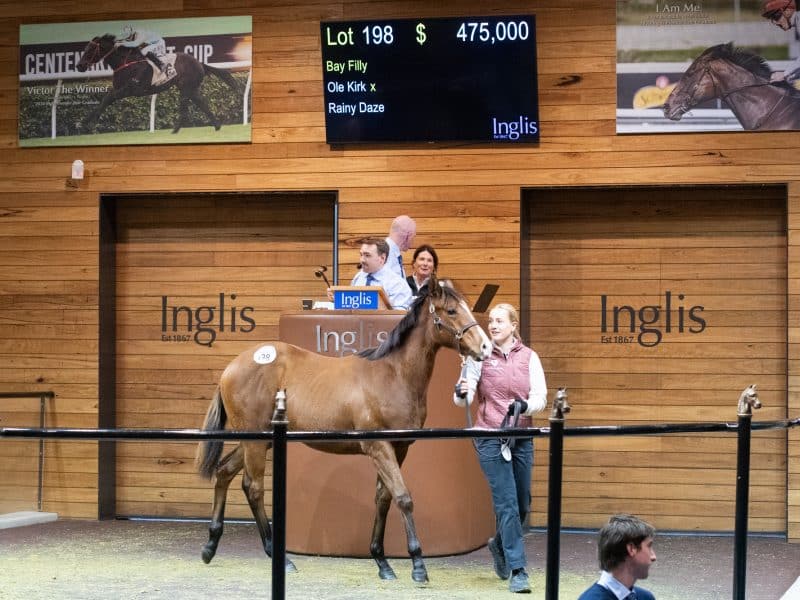
Foal market supply surges with Great Southern Weanling Sale extended
A diverse catalogue of 430 lots featuring the progeny of more than 100 stallions will headline next month’s Great Southern Weanling Sale at Oaklands Junction.
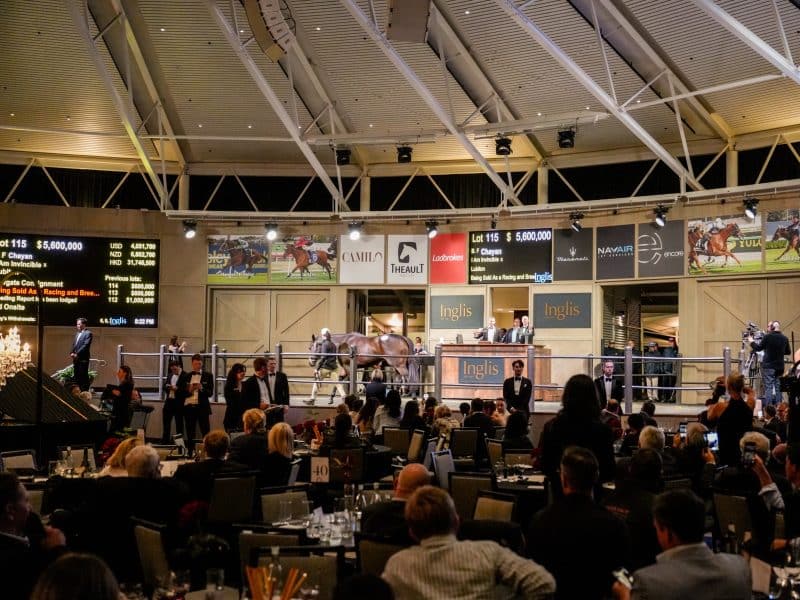
‘There’s always competition for nice mares’ – Rivals not fazed by Yulong-Coolmore dominance as opportunities persist at elite level
Coolmore’s $5.6 million Chairman’s Sale knockout over Yulong for Chayan again highlighted the immense buying power driving Australia’s elite broodmare market, but breeders insist competition for top-end bloodstock remains broader and deeper than perceptions suggest.
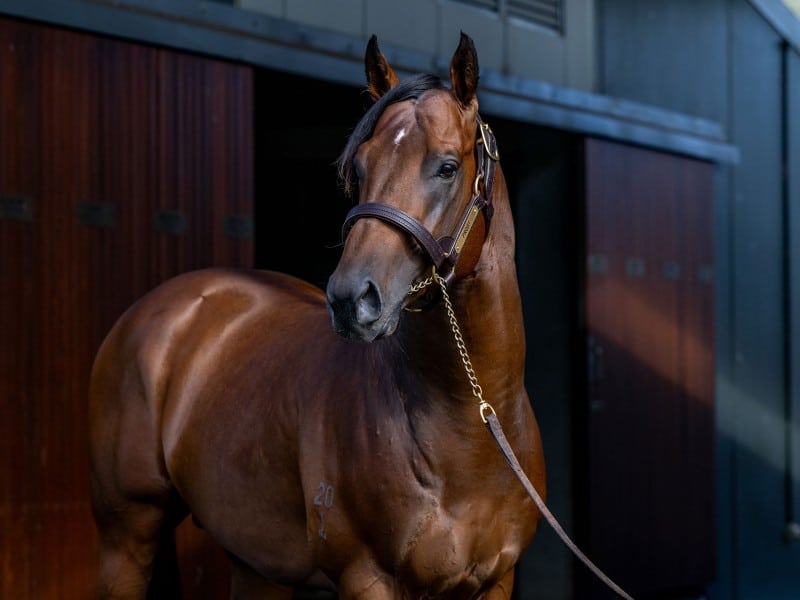
Aquis confirms smaller roster for 2026
Aquis has trimmed its roster to four for the 2026 breeding season, with Prost and Kobayashi leading the line.