
After a $4 million court sideshow, NSW’s racing industry is ready for the main event
The release and implementation of the Hazzard review will have a greater impact on racing in New South Wales than the Court of Appeal upholding Racing NSW’s right to place the ATC under administration, writes Bren O’Brien.
ANALYSIS: In the six months and four days between Racing NSW informing the Australian Turf Club it was being placed into administration and the Court of Appeal upholding its right to do so, the NSW racing industry reportedly torched $4 million.
The ATC, already financially embattled, will bear the cost of that action after a roller-coaster period where it initially won the right to stave off administration, with what seemed a convincing Supreme Court victory, before Racing NSW successfully argued its case in the Court of Appeal.
Friday’s judgment was pretty much a clean sweep for the racing regulator, but it is the imminent Hazzard review of the Thoroughbred Racing Act that is likely to have the greater long-term impact on the industry.
The three Court of Appeal judges determined that the definition of ‘horse racing’ under the Thoroughbred Racing Act extended to matters of corporate governance and finance, which permitted Racing NSW to appoint administrator Morgan Kelly.
The four other matters considered were also important, but arguably not as consequential as the first.
The Court also confirmed that under the TRA, Racing NSW’s functions did not limit its powers, that it had given proper consideration to a financial report prepared on behalf of the ATC and that the TRA did not conflict with either the Mergers Act or the Corporations Act.
The ruling clears the way for the administrator, Morgan Kelly, to take charge, although the Court pushed the timeline of this back to July 13, allowing the ATC to consider whether it may seek leave to appeal to the High Court.
Even if that doesn’t eventuate, there are still questions as to what powers Kelly will have, and whether he will indeed ‘sack the board’ as has long been mooted.
Under the Corporations Act, he can opt to retain a board, or certain directors, under his watch to assist him in the process. Interestingly, Kelly has already been working with the ATC on matters within its hospitality business.
The other piece of blue sky that supporters of the ATC directors are holding on to is that they believe the ruling affirmed that Kelly’s only priority is to the interests of the club. Racing NSW may have had the right to appoint an administrator, but it cannot hold undue influence over him. He is independent.
It does raise questions as to how this may differ to other NSW clubs placed under administration.
The fact that the parties are still contesting the implications of the Court of Appeal decision tells us two things.
The first is that such is the environment in New South Wales racing at the moment, the club and the regulator could form different opinions on whether the sun comes up tomorrow. ATC chairman Tim Hale’s contention that “we remain committed to working constructively with Racing NSW” seems an optimistic view.
The second is that while the court case may have resolved some of the legal ambiguity around Racing NSW’s powers, it does not answer whether the Act remains fit for purpose in 2026.
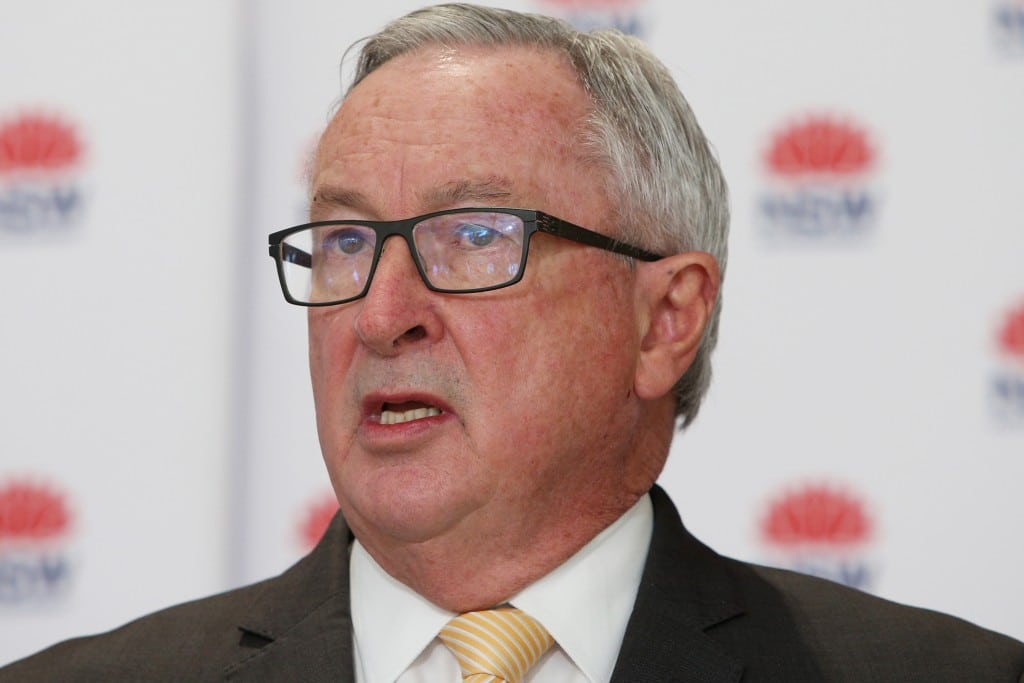
That responsibility has fallen onto former NSW health minister Brad Hazzard, whose review into the TRA is due in the next month and is being eagerly anticipated.
It is this review, and the legislative recommendations which are expected to flow from it, which will be far more consequential for the future of the NSW industry.
Hazzard, whose review was precipitated from the political fallout of the failed Rosehill sale, has undertaken considerable consultation.

The scope of the review includes governance structures and processes set out in the TRA, an issue at the heart of the ATC/Racing NSW court case, while it is also looking at transparency and reporting by Racing NSW and stakeholder consultation and initiatives to ensure the sustainability and viability of the racing industry.
It does not include consideration of whether Racing NSW should remain independent of government or the funding arrangements which have allowed the regulator to build such financial might since the successful race fields case in 2012.
Of course, the Hazzard report will only be the first step. The key part will be translating its recommendations into legislation.
What the court case ruling may do is influence the government’s political appetite for making changes, given Racing NSW’s perception of its powers under the TRA has been vindicated. There is less of a rush to fix a system that, legally at least, is not seen as broken.
There is also the political dimension. While there will be pressure to act on recommendations, the NSW government faces a state election in March next year and that may slow things down. Racing Minister David Harris is not known for his haste.
Then again, the probability of a very different looking parliament after March next year, especially in the upper house, may motivate Harris and Minns to get the legislation they want through this parliament and not the next.
One thing you cannot doubt is that this is a mess of Chris Minns’ own making. The bungled and premature Rosehill announcement, which was accelerated for political purposes, caused a huge rift in the industry, which has ended up with review recommendations being put back on the premier’s doorstep nearly three years later.
It is another example of when politics and racing entwine, racing is rarely the better for it.
On that day in December 2023, Minns spoke of securing racing’s future. If he still believes that is a priority, then he should demonstrate that commitment by ensuring a refreshed Thoroughbred Racing Act is fit to serve the industry for the next 30 years, as opposed to the past 30.
Author

Related Articles
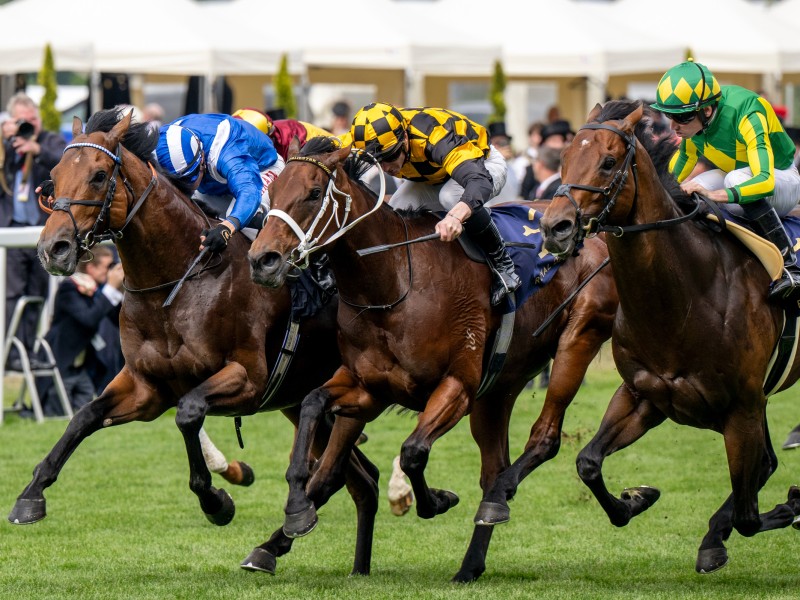
Joliestar denied in thrilling finish to Royal Ascot sprint
Joliestar’s bid for Royal Ascot glory was spoiled by a late surge from Almeraq, who produced an upset win in the Group 1 Queen Elizabeth II Jubilee Stakes.
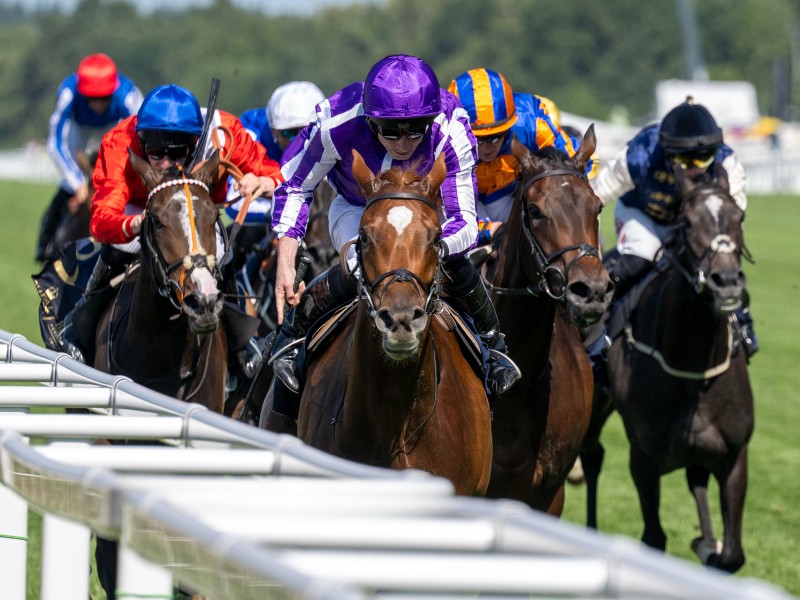
Precise’s Coronation anoints Ballydoyle’s new queen
Starspangledbanner’s star daughter Precise emulated her sire’s Royal Ascot success, as Aidan O’Brien and Ryan Moore again prevailed in the Coronation Stakes, while James McDonald secured his second success of the week on the fourth day at Royal Ascot.
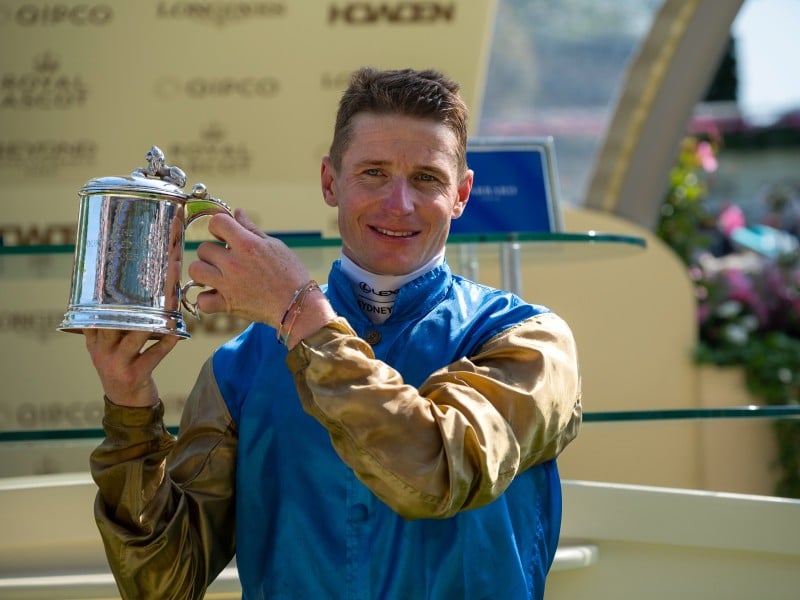
Royal Ascot – Day 4 in Photos
All the action from Coronation Stakes day at Royal Ascot from the perspective of photographers Bronwen Healy and Darren Tindale from The Image Is Everything.
