
Comment – Tasmania’s ‘line in the sand’ a brutal reminder of racing’s place in politics
If thoroughbred racing thinks its future is safe from the fickle nature of politics, then the extraordinary about-face from Tasmanian premier Jeremy Rockliff on the future of greyhound racing in the state should be a wake-up call, writes Bren O’Brien.
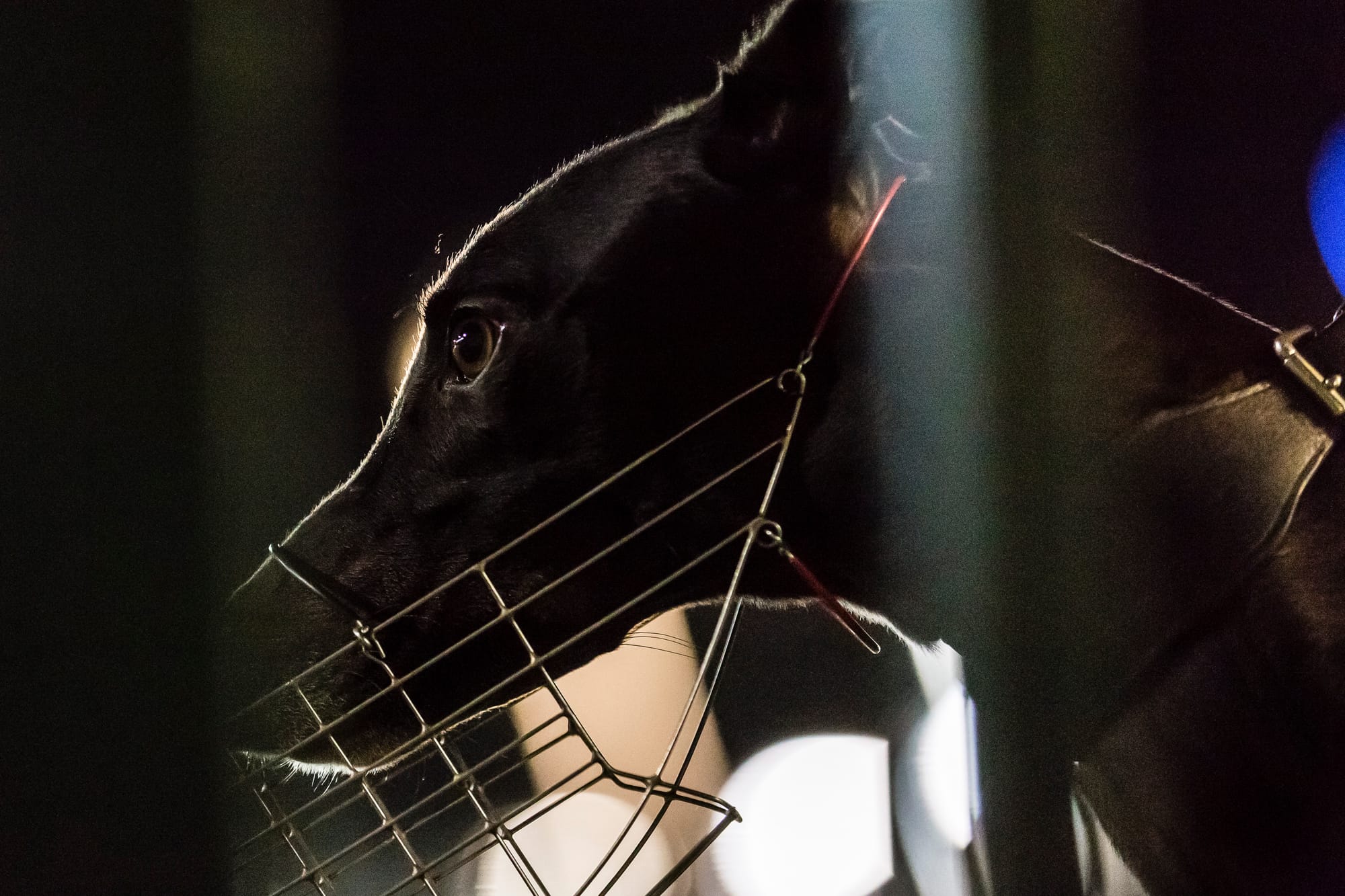
OPINION: Three weeks ago, Tasmanians begrudgingly trudged back to the polls for a second state election in 16 months. This was not your usual celebration of democracy. There was no appetite for a sausage sizzle or school fundraiser, at least where this correspondent voted.
This was a functional, mandated electoral process, almost funereal as the state’s voters were asked to sort out the mess of a parliament that couldn’t work out who should rule.
The redundant nature of it all was only re-enforced by the fact that after the election, the make-up of the lower house remained unchanged among the major parties, Liberals 14, Labor 10 and The Greens 5. None of those had the mandate to lead.
While much of the broader discussion before and after the election was centred on what it meant for a new Hobart Stadium, and the AFL team which needs it to be built to exist, it is the future of another sporting code which has ended up in peril.
 Bren O’Brien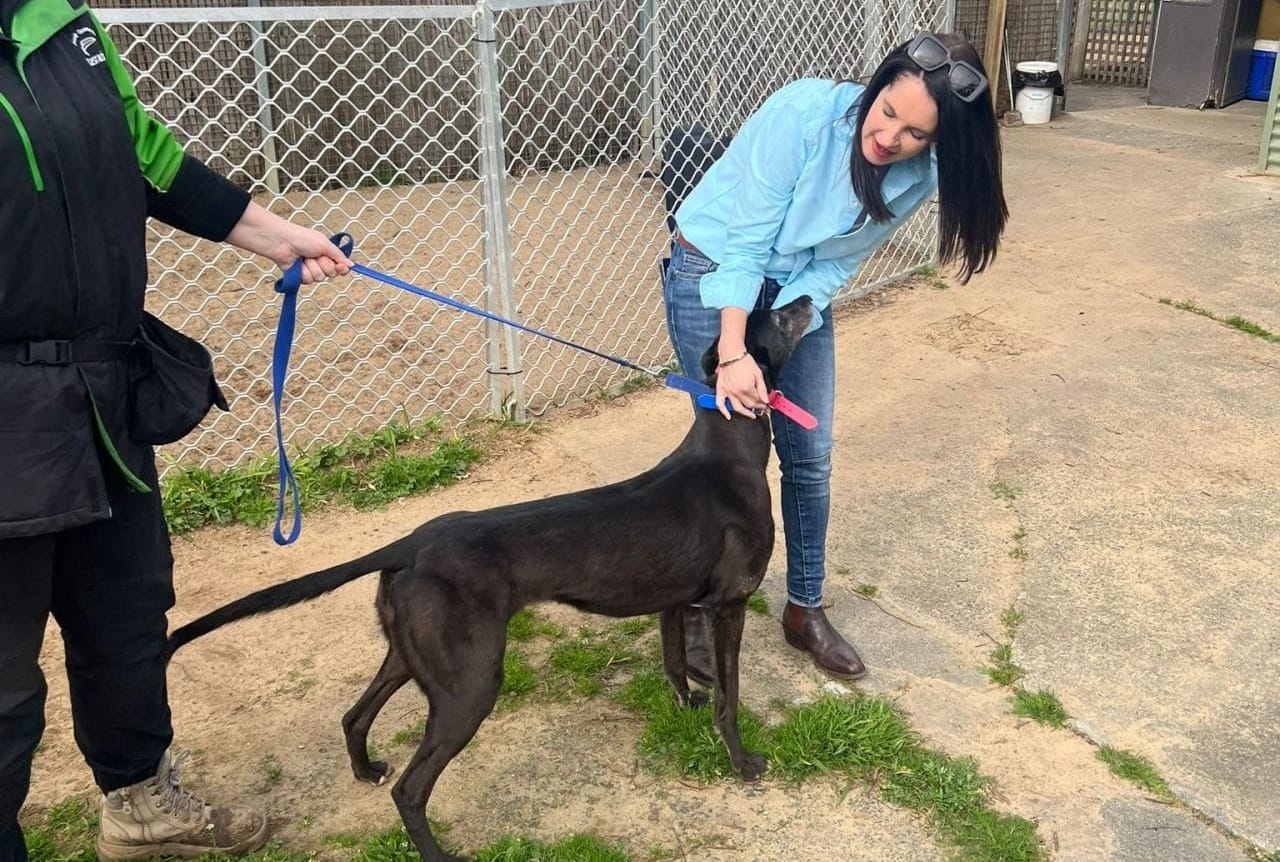
Not once in the campaign of Premier Jeremy Rockliff and his government had greyhound racing emerged as in danger. Just three days before the election, the Premier said that a returned government was committed to all three codes of racing and would immediately set to work on renewing the government funding deed which underwrites over half of Tasracing’s revenue.
It took 21 days, and a political crisis which threatened its ability to form government, for the Tasmanian Liberal Party to completely flip on that guarantee. In order to win the favour of two key independents and keep itself in power, Rockliff has thrown the greyhound industry under the bus.
It will be wound up by 2029, corresponding with the end of the current funding deed, which will reduce the state’s racing codes from three to two.
“It’s time to draw a line in the sand and ensure an orderly exit from greyhound racing in Tasmania,” Rockliff said in a statement.
“I’m concerned about the future of the industry and continue to be concerned about animal welfare.”
If only Rockliff had a recent forum, maybe an election campaign (or two), to put forward his concerns.
Greyhound racing has had major issues with its social licence in Australia, and particularly in Tasmania, and the activities of those within the industry has brought about much of this scrutiny.
But politicians have also played their part, particularly in Tasmania, where bungles and delays in integrity changes made reforming the industry a near impossible task.
These integrity and welfare issues have proven fertile and emotional fodder for those who want the industry banned.
Those who argue for its abolition have resonated within the community for a reason, and in a democratic society, they have every right to leverage those views for their desired outcome.
Tasmania is the second domino to fall in Australia after the ACT is ending the sport, while New Zealand has also made the same call. The momentum is there to embolden those seeking a national ban.
But what the Tasmanian situation points to is something which should have every racing administrator in the country nervous.
Despite his ‘concerns’, Rockliff and his party have moved to end greyhound racing because it has become politically inconvenient to continue to offer their support for it.
Faced with an option of retaining greyhound racing or not being able to form government, it proved a very straightforward choice.
Make no mistake – this was a decision about ambition not conscience.
 Bren O’Brien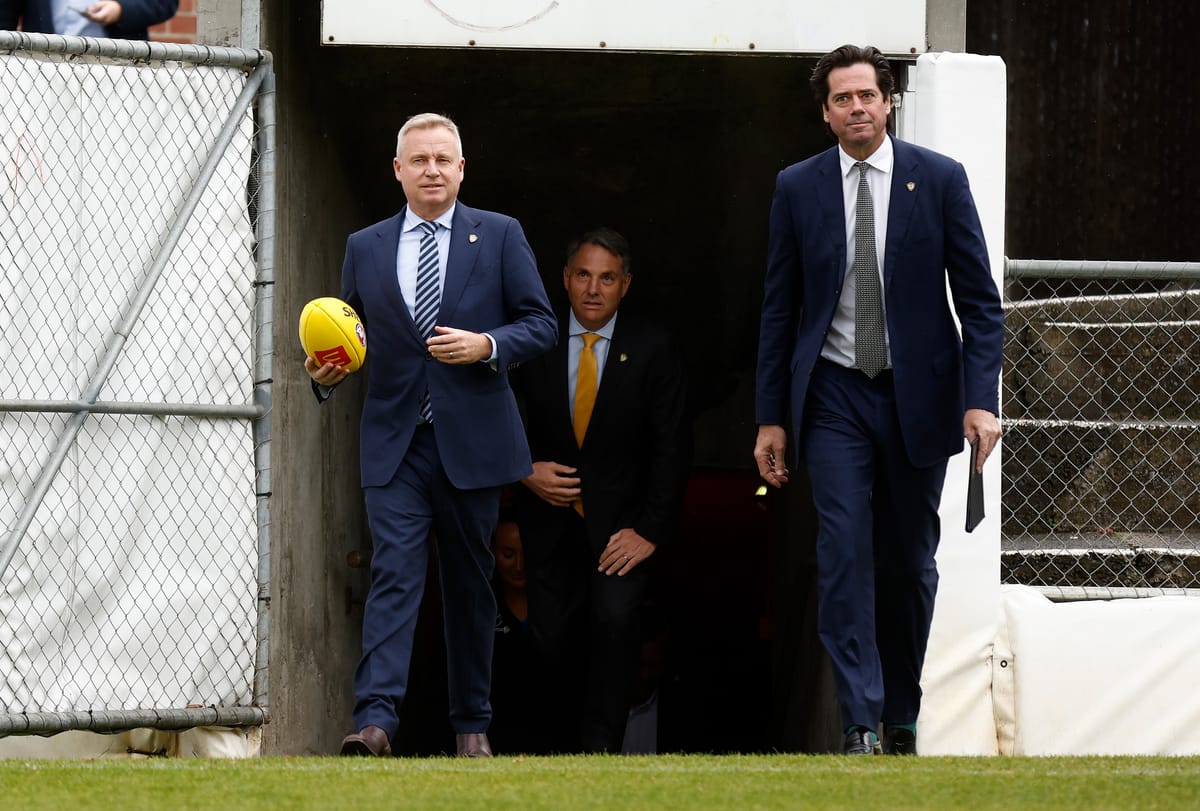
Those independent MPs – worth noting they are Independent not Greens – who have leveraged their position to achieve this outcome have done a very good job of achieving their aims.
What they have also done is written a new playbook for minority party or independent members to roll out nationwide.
Politics, especially state politics, holds enormous power over racing in this country. The very right of racing to exist sits under the various state legislations.
Elections are supposed to be an opportunity for the public to vote on the policies which form this legislation. The Tasmanian Liberals have had two elections in 16 months to put this policy in front of the Tasmanian people and they didn’t.
Rockliff may say “It’s time to draw a line in the sand”, but why wasn’t that line drawn ahead of an election?
This may be a secondary code in the smallest state in the country, but it is now clear that a ban on racing of all kinds does not need broader public political approval, but merely a seat at the right table when negotiations of power and supply are to be had.
The long-term future of racing in Australia is vulnerable as it hangs not on public support, or even social licence, but the character of major party politicians.
“As we deliver a measured and sensible phase-out of greyhound racing, I want to be crystal clear on my support for the broader racing industry, its participants, and our regional communities,” the Tasmanian premier said.
Based on current experience, faith in the political process is a shaky foundation to build anything on, let alone a multi-billion dollar industry.
Author

Related Articles
Sleip learning curve – Racing NSW to trial AI gait technology rather than mandating use
Amid a stern backlash from trainers about the lack of consultation and the Racing NSW veterinary department’s planned implementation of the Sleip App, the regulator has revealed it will embark on a trial period following criticism from much of the training fraternity.
Silvasista chasing Group 1 gold – the Queensland Oaks runner with a famous connection
Silvasista’s Queensland Oaks bid has stirred memories of Shoot Out, the bargain yearling whose success reshaped the ambitions of Linda and Graham Huddy.

RA says software glitch to blame for SNS issue, rules out cybersecurity breach
A software problem, rather than any form of cybersecurity breach, led to recent issues with the Single National System, the key technological tool which is central to the running of Australian racing, according to Racing Australia.
