
Losing Sleip – Trainers call for trial of lameness app before mandatory introduction
NSW trainers have urged Racing NSW to trial the Sleip AI lameness detection app before mandating its full use across the state, citing unanswered questions over costs, compliance and how the technology’s findings will be applied.
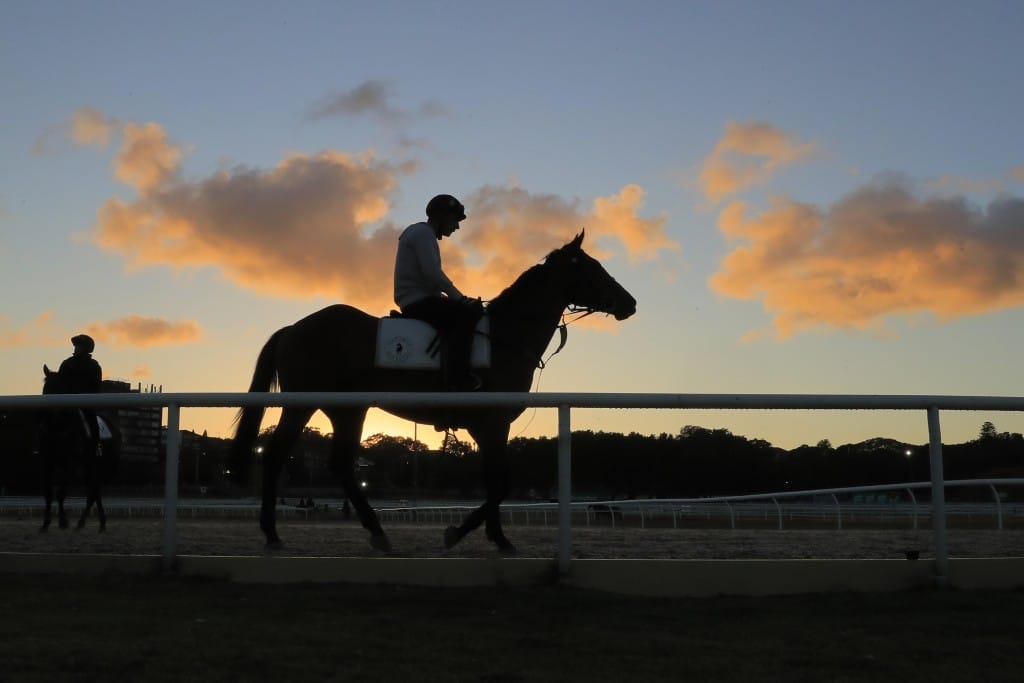
The NSW Trainers Association is calling on Racing NSW’s veterinary department to conduct a trial of an artificial intelligence application which can help diagnose lameness in racehorses rather than immediately rolling it out across the state.
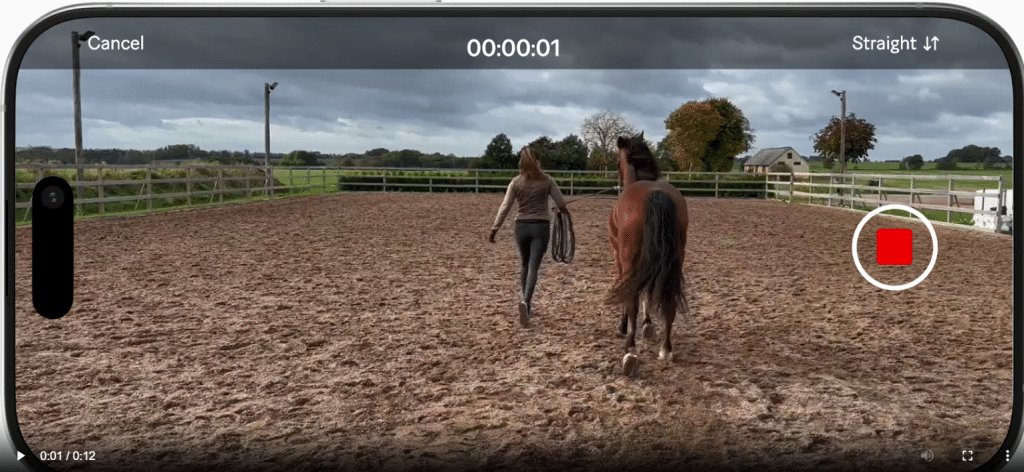
Racing NSW plans to mandate the use of the Swedish developed Sleip App, which analyses the gait of horses using vision recorded on iPhones, from July 1 but the body representing the state’s thoroughbred trainers is pushing against the full implementation of the plan due to ambiguity about how the findings of the technology will be used.
Richard Callander, the NSWTA chief executive, says two stables from each of the metropolitan, provincial and country regions should trial the product for six months to help ascertain its effectiveness and how it could be best used state-wide.
“I think the (Racing NSW) veterinary department’s gone off early wanting to implement this on July 1 without having all the answers and unfortunately it’s terrified and made a lot of our trainers anxious as to whether they’re going to be able to fulfil their (obligations to Racing NSW to be relicensed for next season),” Callander told The Straight.
“We’ve certainly had a lot of correspondence in the last few days and it’s not positive, so I think they’ve got to go back to their drawing board well and truly before July 1, otherwise I think the trainers as one will probably look to stand firm if there’s not a better understanding and a better approach to it.”
Callander confirmed he had liaised with Racing NSW, including its chief operating officer Graeme Hinton, relaying the concerns held by his members regarding the mandatory use of the Sleip App.
Trainers would be required to record trot-up videos on a weekly basis of every horse in their stable but it has not been defined whether that can be on a set day each week or whether it has to be undertaken within a set timeframe of a horse racing.
The Sleip App website says “the app uses AI to track the moving horse, quantifying gait asymmetry and detecting even small irregularities, stride-by-stride with analysis results in minutes”.
It does so by measuring “asymmetries in the vertical displacement of the horse’s head, trunk (withers), and pelvis at trot”.
It is understood that the technology does not diagnose the source of any potential injury concern.
There are also questions about how much it will cost and who will meet the financial burden, with suggestions its implementation could cost the NSW industry more than $2 million a year.
The price guide on the Sleip App website says it costs US$219 (A$306) a month to access the technology and an additional US$150 per month per device.
It is also not currently available on Android devices.
In the case of trainers with satellite stables or those with a large number of horses in work, multiple subscriptions may be required to meet the obligations.
It is expected that the Racing NSW veterinary department would have access to the data, but it is unclear whether they would be able to overrule a stable veterinarian’s opinion when using the technology.
It is also unclear whether Racing NSW has made any concessions about its mandatory use of the Sleip App by the state’s more than 600 thoroughbred trainers.
Racing NSW declined to comment when spoken to by The Straight.
Callander indicated that Racing NSW had informed him that they had negotiated a package deal with the developers of the Sleip App “which would be a third of what the recommended price is”.
“But even at that level I still think it’s out of reach for a lot of trainers, but it’s not just that, it’s the manpower as well,” he said.
Racing NSW officials, headed by the regulator’s chief veterinarian Dr Carly Garling, have been conducting compulsory equine welfare seminars across the state this week.
It is mandatory for the state’s licensed trainers to attend one of the annual seminars, be it in their local region or elsewhere, with this year’s topic being the use of technology in training to improve performance and prevent musculoskeletal injuries. More of the annual seminars are planned for next week.
What has emerged at those seminars, including at Warwick Farm, Canberra and the NSW Southern Districts forums, is that there are more questions than answers relating to the proposed implementation of the Sleip App.
Trainers spoken to by The Straight have also questioned the financial impost of additional labour required to video the weekly trot ups would be more significant than the cost of accessing the technology itself.
They also posed the question about when would horses be required to first enter the Sleip App system?
For instance, would it be during their breaking-in education, as yearlings when they entered racing stables for the first time, or in the week before their first start?
Rosehill trainer Richard Freedman weighed in on the situation via his X social media account.
“I’m not against using new technology for horse welfare and the proposed Sleip AI app implementation,” he wrote.
“However, there are costs in $$$ and time costs for implementation. We need clarity re(garding) costs and who will pay. A stepped approach with consultation is required before announcements.”
The Sleip App is already being used by Queensland Racing Integrity Commission veterinarians for pre-race veterinary assessments for horses accepted in selected Brisbane Winter Carnival races including Saturday’s Sires’ Produce Stakes, next week’s Queensland Oaks, the Stradbroke and Tattersall’s Tiara.
It will also be used by the British Horseracing Authority veterinary team to assess Australian-trained sprinters such as Joliestar and Overpass, who are being targeted towards the Royal Ascot meeting in June, to ensure there are no underlying lameness concerns.
Questions also remain about the impact on interstate-trained horses, which regularly cross state borders to race at country meetings.
“None of our trainers are against technology and then the improvement of welfare. We’re all for that,” Callander said.
“We’re just disappointed by the rushed nature of trying to implement something that looks good on a computer in an office compared to what it looks like in reality.”
Author

Related Articles
Childs’ inside run lands Tatt’s Tiara for Splash Back
A daring inside ride from Jordan Childs propelled Splash Back to Group 1 glory in the Tatt’s Tiara, capping a remarkable rise for the French-bred mare and adding another elite-level success to Grahame Begg’s record.

From sales ring confusion to unlikely partnership – Koh hoping Klocke can follow Tatt’s stars’ path
Singapore owner Eric Koh is hoping promising colt Klocke can follow the path of last year’s Tattersall’s Stakes graduates Autumn Boy and Sheza Alibi when he contests Saturday’s Listed feature at Eagle Farm.
A Kiwi crisis – Sir Peter Vela report calls for sweeping overhaul of NZ racing
Confronted by massive, ongoing structural deficits, New Zealand racing faces its “most critical turning point” as a powerful advisory committee pushes five key recommendations to reshape the future of thoroughbred and harness racing.
