
New Zealand faces up to industry ‘implosion’ with 40 per cent of Group 1s under threat
Racing jurisdictions, led by New Zealand, will use a key Asian Pattern Committee meeting in February next year to argue that changes need to be made to the way Group 1s are rated to protect their status as the country faces a brutal cull of its elite races.
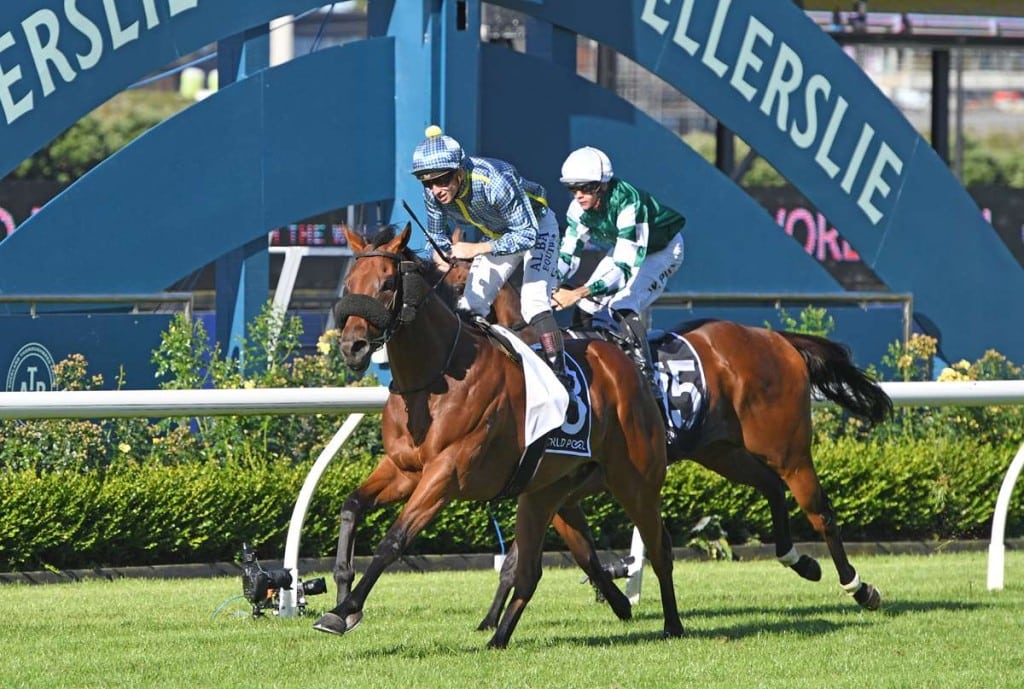
New Zealand administrators are leading an urgent call for change to the way international ratings are used to determine the merits of Group 1 races, arguing maintaining the Pattern’s grading status quo would be “catastrophic for the industry”.
Seven of New Zealand’s 18 Group 1 races, headlined by the country’s three-year-old Classics, the New Zealand Derby, Oaks and 2000 Guineas, are falling below the 112 international rating threshold required to retain their elite status.
The Manawatu Sires’ Produce Stakes, for two-year-olds run over 1400m, and the Telegraph Stakes, the Livamol Classic and New Zealand Breeders’ Stakes are also on the verge of Group 1 demotion.
Experienced Kiwi racing official Bruce Sherwin, who is New Zealand’s representative on the Asian Pattern Committee (APC), warned if action wasn’t taken the country’s breeding industry could “start to implode”.
The dire prediction was made by Sherwin on this week’s The Guerin Report, hosted by New Zealand journalist Michael Guerin, where the potential fate of the seven New Zealand Group 1s was laid bare.
“If you don’t have stallion-making races like your 2000 Guineas for your three-year-olds, and really good fillies and mares races at Group 1 level, why would you retain those horses? When the offer comes in from Australia, you’d be selling them,” Sherwin told Guerin.
“If you can’t breed to have Group 1 races, the whole infrastructure and foundation starts to implode. And this is the message we’ve put forward to the APC and are taking higher to the Asian Racing Federation.
“They have acknowledged that there is a problem.”
APC delegates will hold a strategy meeting in February where concerns about how races are rated will come in for debate.
The Straight has been told that the push for change already has support from fellow decision-makers on the Asian Pattern Committee and the overarching Asian Racing Federation, with administrators understanding that the one-size-fits-all approach is no longer fit for purpose.
Sherwin cited two of New Zealand’s Group 1 races from last season which he says highlight the problem with the formula used to determine the ratings.
Ohope Wins’ dynamic Oaks performance and She’s A Dealer’s Thoroughbred Breeders Stakes victory posed problems for the international handicappers for different reasons.
Three-year-old Ohope Wins’ impressive 2.2-length winning margin in the Oaks at Ellerslie last February meant that second to fourth – the horses whose ratings are used to determine the overall race strength – were rated too low for it to meet the benchmark.
“This is a rating system that was developed out of Europe, and a lot of their Group 1 races are small fields, quality horses, but small fields,” Sherwin said.
“We have a race in New Zealand, the Breeders’ Stakes. It’s a big field, luck in running came into play and it played very on-pace, the race.
“There was an advantage for horses on speed and on the rail. The better horses didn’t get into it. A horse like Provence, if she runs fourth, the whole picture changes.
“The race meets its tolerance level for a Group 1, and we’re not defending it.”
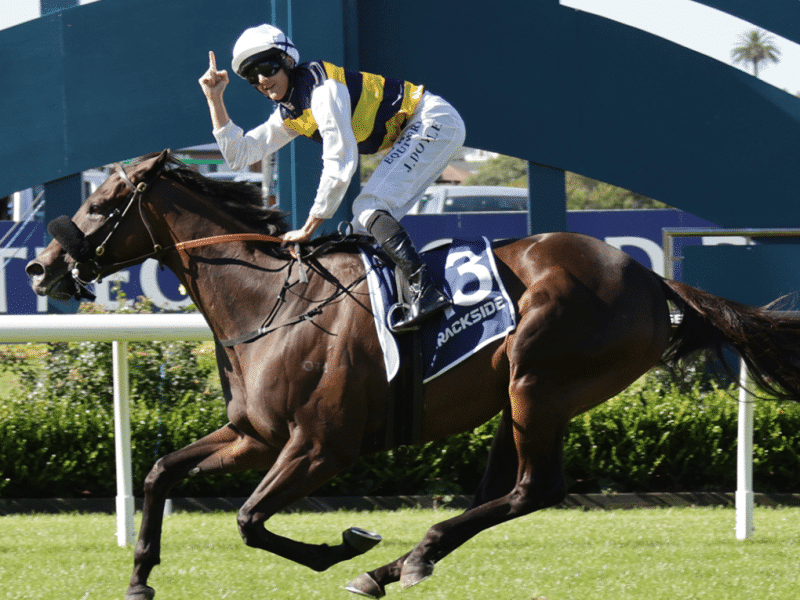
In advocating for changes to be made to the criteria used to measure horses and Group races, Sherwin added: “We’ve been under this World’s Best Racehorse Rating, the WBRR ratings for 15 years, and we’ve seen the size of both our Group 1 races shrink.
“And what also comes with that is a smaller grouping of high rating horses. Less Group 1 races, less Group 1 horses. It becomes a self-fulfilling prophecy.”
Australia’s state-based racing jurisdictions also have Pattern problems of their own.
With the APC controlling the country’s black-type calendar, the nation’s smaller jurisdictions’ premier races face the prospect of being pared back for similar reasons to their cross-Tasman peers.
Racing Australia was stripped of its governance powers last December, with the APC taking interim measures in order for the country to fall back into line with the international Pattern ground rules.
A string of races, including the Golden Eagle and Apollo Stakes, have been upgraded to Group 1 status by the APC but other states, including Western Australia, are just gripping to their black-type for races such as the Railway Stakes.
In September, Racing WA raised the minimum weight from 53kg to 54kg for the $1.5 million Railway in a bid to help increase the international rating for the signature race and protect its Group 1 status.
“The main rationale behind compressing the weight scale by 1kg is that it may help attract higher-rated horses to the race, while also slightly increasing the likelihood of them finishing prominently and contributing their peak rating to the annual race rating,” Racing WA’s head of thoroughbred operations Vinny Meens told The Straight last month.
Sherwin says it is a conundrum that administrators are attempting to tackle in order to cling to their Group 1 race statuses.
“As we reduce Group 1 races, less horses are getting Group 1 ratings out of those ratings, and it’s spiralling down,” he said.
“Two years ago, we had 12 horses starting the season at 113. And 113 is a number we need to know, because 112 is the base, the tolerance level for Group 1.
“So, if we can’t get four horses rating 112 and higher, the race won’t hold its Group 1 status for long.”
Sherwin and his supporters argue that the shortfall of horses – and Group 1 races – isn’t just the badge in the racebook that will be missing, it’s potentially an existential threat to New Zealand’s breeding industry.
They are hoping that the likes of Takahiro Uno, the Japan Racing Association head of race planning and APC chair, are listening to their concerns.

Author

Related Articles
British and Irish foal crop falls for a third straight year
Weatherbys’ Return of Mares puts the combined thoroughbred foal crop for 2026 at 11,312 in Britain and Ireland, down 17.2 per cent on 2023, with Britain falling hardest.
Rowe On Monday – Inglis finds right size for breeze-up sale, a Magic path emerges, Hutch to stay hands-on and Arrowfield’s treble to remember
In this week’s Rowe On Monday, Tim chats to Sebastian Hutch, Bruce Slade and Merrick Staunton about the dynamic of the Australian breeze-up market, hails the emergence of a key Gold Coast two-year-old race and reflects on an unforgettable Saturday for Arrowfield.
Influential sire Medaglia d’Oro dies aged 27 in Kentucky
Former Darley shuttler Medaglia d’Oro has died in Kentucky after an influential breeding career which included five Group 1 winners from his Australian crops.
