
Queensland government calls on RQ to lobby for end to Racing Australia veto
The Queensland government wants Racing Queensland to drive reform of Racing Australia’s voting system, utilising The Next Lap report to call for Queensland racing to better represent its interests at the national level and end the veto that Victoria and New South Wales enjoy.
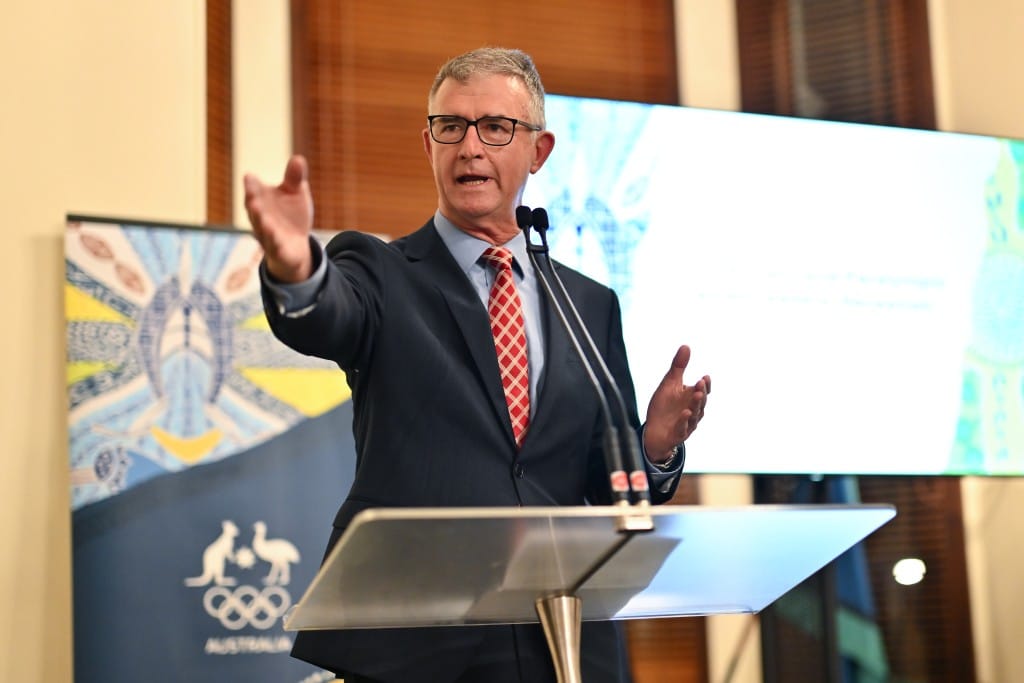
Government support for Racing Queensland to reform Racing Australia, plans to run night racing from Wednesday to Saturday and a major refresh of the skills present on the RQ board are three of the lower profile but significant aims Queensland Racing Minister Tim Mander has put forward in The Next Lap.
The ambitious plan for the future of Queensland racing made headlines over the weekend, with a $200 million Future Fund established to help deliver modern and fit-for-purpose racing infrastructure.
It also created a buzz for the aspects it didn’t adopt from the comprehensive racing review chaired by former Australian Turf Club chairman Matthew McGrath, including a decision not to reduce the Point of Consumption Tax, as well as to retain Albion Park, which is now set to become Racing Queensland headquarters.
But beyond those headline-grabbers, there were other ambitions identified, including Queensland-led reform of Racing Australia.
While RA’s functionality, and the fact that the two largest states have veto, is a long-term bugbear of many in the Australian racing industry, this is believed to be the first time the issue has been raised by a state government.
Under the focus area of The Next Lap entitled ‘A New Operating Model’, there is a subheading which is titled ‘Put Queensland Racing First’.
“The Racing Australia voting structure is heavily weighted towards NSW and Victoria which have the right to veto,” the government report said.
“The Queensland Government will offer its support to RQ to advocate for reform to the voting structure to ensure fairness and better alignment with the interests of all states and territories.”
That was recommendation nine of the McGrath report, which specifically requested Racing Queensland and the Queensland government advocate for an adjustment to Racing Australia’s voting structure to increase Queensland’s vote from 18 per cent to 25 per cent, lowering Victoria and New South Wales to 32.5 per cent.
It also recommended Racing Queensland advocate for a reduction to the vote percentage required to pass resolutions, from 65 per cent to 50 per cent.
“Lowering the threshold for passing resolutions at Racing Australia from 65 per cent to 50 per cent preserves the need for broad agreement between the states, whilst simultaneously making it easier for smaller states to influence voting outcomes and making deadlock less likely to occur,” the Queensland Racing Review said.
Exactly what powers the Queensland government have to influence this change is unclear.
That operating model focus area also recommended that corporate functions within integrity arm QRIC be brought back under RQ’s purview with a co-location of the two bodies.
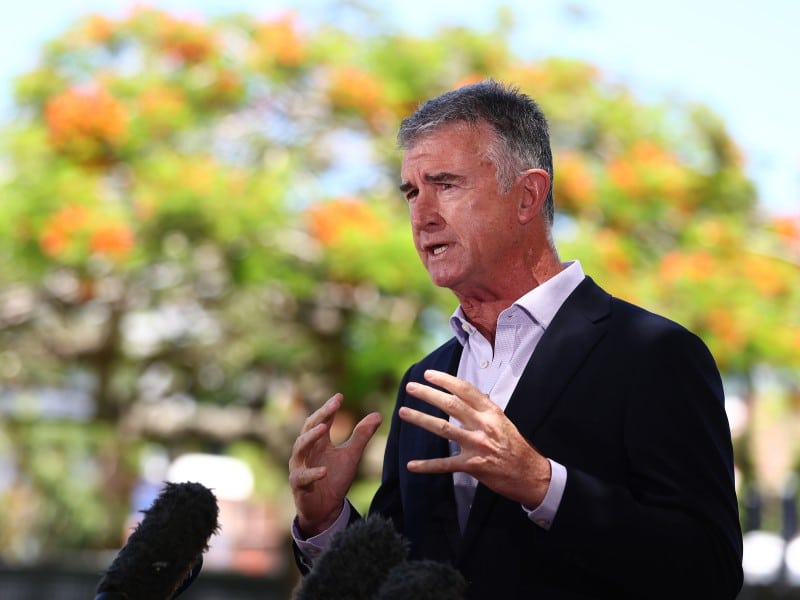
The Next Lap also points to major change in the Racing Queensland board, with plans to broaden expertise to include country racing and integrity, and to allow the board to own racehorses or greyhounds. In Queensland, the Racing Minister has the power to dissolve and replace the RQ board at any time.
The Next Lap also called for greater focus on governance and transparency from clubs, with minutes of their AGMs to be published through RQ. A raft of racing and breeding incentives schemes will also be reviewed.
Among the ‘Building A Strong Foundation’ focus is an aim to capitalise on the “lucrative night racing market”.
“It’s proposed that meetings will be allocated across Wednesday to Saturday evenings, aligned with national and international racing times,” it said.
“Significant investments in racecourse lighting infrastructure have created the opportunity for a coordinated, year-round SEQ Night Racing product. Night racing is an attractive offering with potential to increase wagering turnover and race meeting attendance that may appeal to a new audience.”
Currently, Toowoomba, which is set to get new lights, Gold Coast and Sunshine Coast have night racing capability, while lights were recommended at Doomben by the McGrath Review.
However, that Doomben plan was part of Recommendation 59, the 15-point plan for South-East Queensland, which was rejected by the government.
It is also recommended night racing ends by 9pm local time.
Rationalisation of race meetings is on the agenda, with recommendation 64 suggesting RQ work with country race clubs with an offer to voluntarily reduce race meetings in exchange for enhanced feature prize money.
QRIC is set for major changes, with a new Commissioner Of Stewards to report directly to the racing minister. There will be increased swabbing in all three codes, a senior wagering role established within QRIC and a strengthening of the stewarding workforce through benchmarking salaries and conditions, reducing reliance on casual staff, and introducing formal qualifications.
There will also be a stewards’ bunker set-up, similar to what has been in operation in New South Wales.
While the grand plans for Albion Park, Eagle Farm, Toowoomba harness and even Bundaberg greyhound track were well covered in the media, questions still remain over Deagon, with “careful consideration” given to its sale.
It recommended that RQ dispose of the Norwell site it purchased only in 2022 as a new home of harness racing, while QRIC’s Bowen Hills site will also be sold.
Author

Related Articles

Sheza Alibi powers clear in dominant Makybe Diva Stakes win
The four-year-old mare swept aside a strong Flemington field, lifting her record to eight wins from 12 starts and extending Luke Nolen’s enduring Group 1 partnership with Peter Moody.

Baker’s three-year-olds land two-state stakes double
Warwoven strengthened his Golden Rose claims at Rosehill while Paradoxium made a successful return down the Flemington straight, giving Bjorn Baker two spring contenders on separate paths.
Sky Thoroughbred Central adds six programs as Racing NSW-led changes take shape
Racing NSW and Sky Racing will aim to widen the channel’s audience through new weekly shows, four vodcasts and simulcasts on News24 and Fox Sports News.
