
🔒 🔒 Racing builds political capital, as funding model takes the spotlight ahead of WA review findings
The share of wagering tax flowing back to racing looms as a key test for Western Australia’s independent industry review, with calls growing for the government to revisit its current Point Of Consumption Tax arrangement.
The independent review into the financial sustainability and governance of Western Australia’s racing industry has reached a critical stage, with an interim report understood to have been provided to government in June and the final recommendations potentially due around October.
The review was commissioned amid growing concerns about the financial sustainability of Racing and Wagering Western Australia (RWWA), which oversees thoroughbred, harness and greyhound racing as well as conducting wagering in the state.
However, there is no certainty the final report will be on the government’s desk by October, nor how long it may take for its recommendations to be released once they are received.
The process is examining the funding and governance arrangements underpinning WA racing at a time when RWWA’s financial position has deteriorated significantly.
RWWA recorded a $28.5 million loss in 2024/25, while the organisation has faced increasing pressure from the cost of operating and supporting three racing codes and running the WA TAB.
The review therefore has the potential to reshape the way racing is funded and administered in WA, with its recommendations to be considered by a new Racing Minister following the recent change in the portfolio.
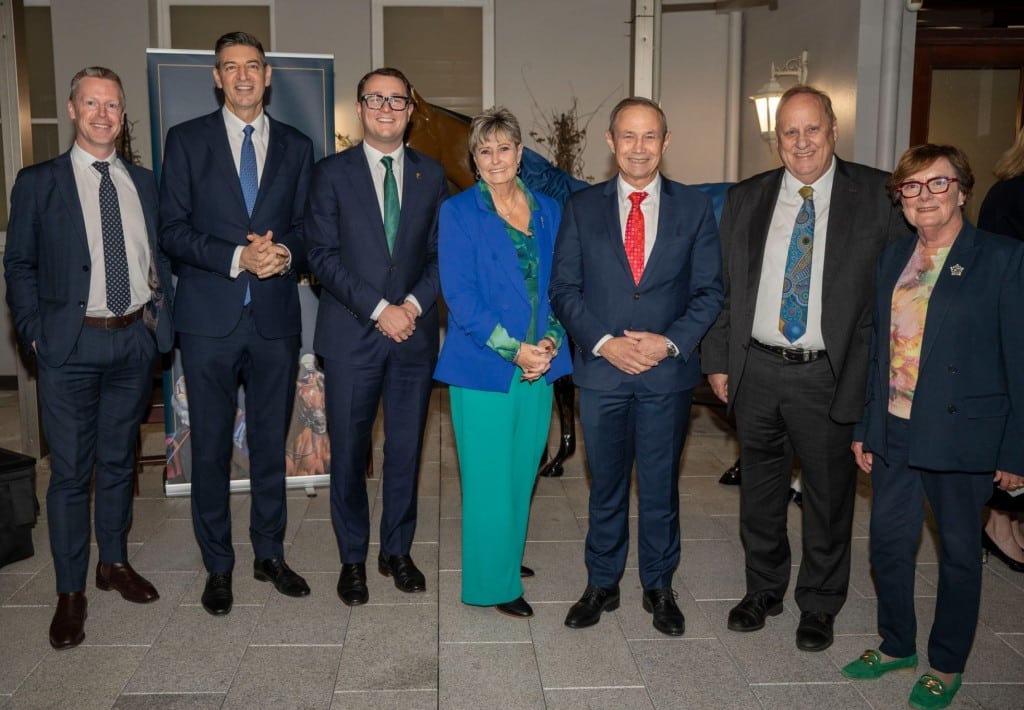
The political relationship between the industry and government has also been on display, with WA Parliament House hosting a Parliamentary Friends of Thoroughbred Racing Group event this week attended by prominent industry figures and MPs from across the political spectrum.
Premier Roger Cook opened the event on Tuesday night, while opposition leader Basil Zempilas also addressed the audience, underlining the level of political interest in an industry that has a significant presence across metropolitan and regional WA.
The event also provided the industry with an opportunity to reinforce its broader economic and social contribution, with WA’s three racing codes generating $1.3 billion in annual economic impact and supporting more than 10,000 full-time jobs.
That cross-party engagement is significant as the government considers the findings of a review that could ultimately determine how the industry is financed and governed.
The financial debate centres heavily on the state’s point-of-consumption tax (POCT), which was introduced in January 2019 as wagering increasingly moved towards online and nationally operated bookmakers.
WA’s POCT was set at 15 per cent of net wagering revenue generated from bets placed by WA customers, replacing the previous wagering tax arrangements.
Under the current WA model, 30 per cent of POCT receipts is directed to the racing industry, while the remaining 70 per cent is retained by government.
The tax has subsequently become one of the most important sources of funding for WA racing, while also providing the government with a substantial wagering revenue stream.
Perth Racing chief executive James Oldring said the distribution of that revenue had been one of the industry’s key messages to the review.
“In WA, government retains 70 per cent of receipts with 30 per cent passing through to the racing industry and that does not compare positively when you look at Queensland with 80-20, Victoria 50-50,” Oldring said.
“They’re the benchmarks we have flagged to the government and the reviewers.”
Queensland introduced its POCT in October 2018 at 15 per cent before increasing the effective rate to 20 per cent in 2022 through the addition of a five per cent racing levy.
The Queensland reforms also increased the proportion of wagering tax revenue allocated to Racing Queensland from 35 per cent to 80 per cent, substantially increasing the direct funding available to the state’s thoroughbred, harness and greyhound codes.
Queensland’s experience has become particularly relevant to WA because of concerns about the impact of higher wagering taxes on the competitiveness of a state’s betting market.
Tasmania provides another comparison, having introduced a 15 per cent POCT in January 2020 while committing 80 per cent of the additional revenue generated by the tax to Tasracing.
“We feel that the rate of point of consumption tax in WA of 15 per cent must not go up,” – James Oldring
Like WA and Queensland, Tasmania operates a centralised model covering thoroughbred, harness and greyhound racing.
Those comparisons have strengthened calls in WA for a greater proportion of existing wagering tax revenue to flow back to racing rather than for the headline tax rate to be increased.
Oldring said the industry was firmly opposed to any increase in the current WA rate.
“We feel that the rate of point of consumption tax in WA of 15 per cent must not go up,” he said.
The concern is that a higher rate could make WA a less attractive market for wagering operators and reduce the competitiveness of its racing product.
“You do risk alienating yourself as a wagering alternative because you’ve just priced yourself out of the market,” Oldring said.
Oldring also said the amount of wagering tax collected by government had increased substantially since the current system was introduced.
“One of the industry’s key messages to the government is that they are now taking three and a half times more in tax out of wagering than they did seven years ago,” he said.
The Straight understands that at least two major corporate bookmakers have met with the WA government in recent weeks to discuss potential outcomes of the review, including impacts of a change to the tax regime.
Related Articles
The greatest workforce challenge – Turning passions into professions
Every year passionate and capable professionals leave the racing, breeding and wagering industries because they cannot see a sustainable career ahead of them. Bren O’Brien says this remains one of the most important challenges for these industries to confront.

Quartet vies for three spots on Melbourne Racing Club committee
Three existing executive committee members and one fresh face will contest the Melbourne Racing Club elections, as the club looks to steer into calmer waters after the upheaval of the past 24 months.
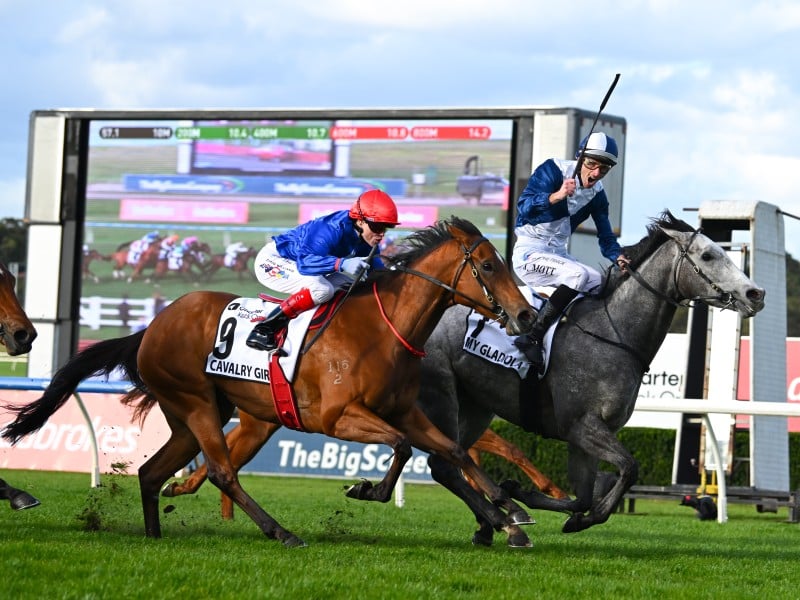
Gladiola blooms in Group 1 Moir as Mott and McArdle combine for first Group 1 in partnership
My Gladiola atoned for two previous narrow Group 1 defeats, with a hard-fought Moir Stakes win in a marquee moment for trainer John McArdle and stable jockey Jamie Mott.
