
🔒 🔒 Kenso concern: Trainers query consistency of Randwick inner track
Randwick’s main racing surface has been under the spotlight from trainers including Hong Kong-based David Hayes ahead of The Everest, but local trainers are more concerned about the ongoing performance of the inner Kensington track.
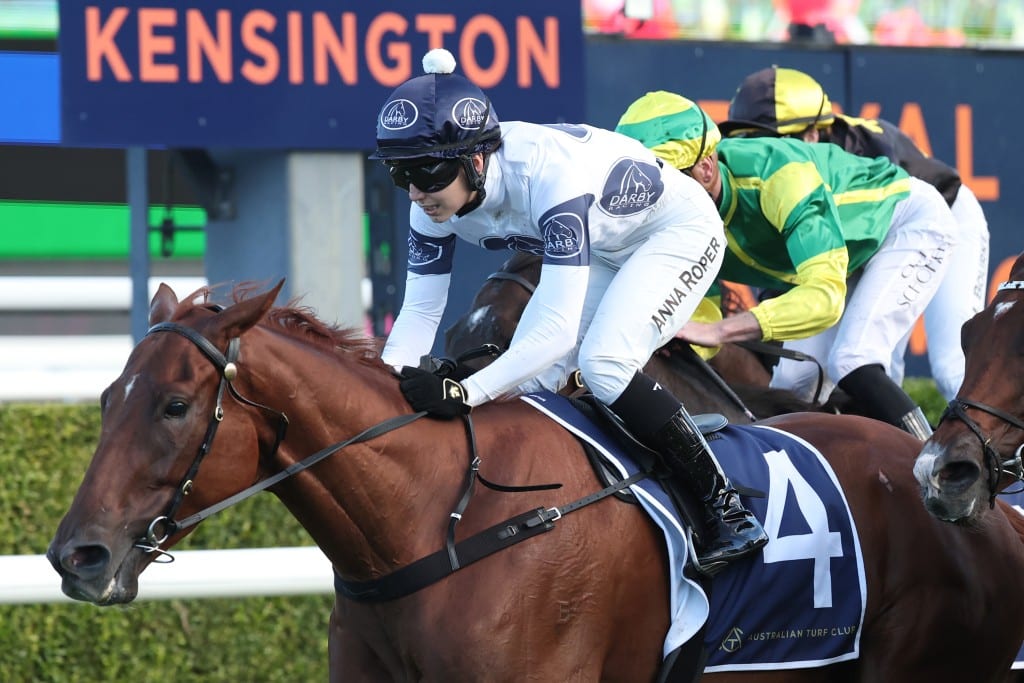
The length of Randwick’s grass and how wet the course proper surface will be may have dominated discourse ahead of The Everest, but it is the inner Kensington track which poses longer-term questions for the Australian Turf Club and Racing NSW.
Trainers’ concerns about the inconsistencies of the Kensington track and owners’ unwillingness to run their horses on Randwick’s inside course were aired at a recent Racing NSW-convened stakeholder working group examining race programming and the smaller-than-desired field sizes at midweek and provincial meetings.
The October 2 meeting included metropolitan, provincial and country trainers, NSW Trainers Association chief executive Richard Callander, Racing NSW acting chief executive Graeme Hinton and the Australian Turf Club representatives Steve McMahon and Nevesh Ramdhani.
Racing NSW handicappers and race programming executives as well as race club administrators from Wyong and Grafton were also in attendance.
Callander said the Kensington track was “the perfect scenario for wagering turnover, but we’re not getting the runners there”, which was impacting punters’ willingness to bet on the predominantly midweek metropolitan track.
“The consensus with the Kenso is that a lot of the trainers thought there were too many inconsistencies with their horses who then flop and a lot of their owners are saying, ‘don’t race there’ because of that fact,” Callander said.
“And I can tell you, that’s almost at the top of the pile for Graeme Hinton to work on, and he’s going to come up with a solution.”
The Kensington surface was contrasted with the recently redeveloped track at Port Macquarie and the Illawarra Grange track, the inner track at Kembla Grange.
“The new Kembla track, which they’re all raving about, is 90-10 (sand and loam soil profile), and I think Port Macquarie is 90-10 sand base or around that (split), but the Kensington track has got too much loam in it,” Callander said of a theory put forward at the forum for the anomalies of the Kensington track.
As champion sprinter Ka Ying Rising bids for back-to-back Everests at Randwick on Saturday, much of the mainstream racing media cycle has focused on the champion sprinter’s ability to handle a wet track.
The course proper was rated Heavy 8 on Thursday and McMahon suggested Randwick could remain in that range for Saturday’s Everest meeting.
He was walking the track when asked by The Straight about concerns held for the Kensington surface, with the ATC boss revealing his team was already examining data to help understand why the trainers believed their horses had underperformed.
“I think it’s seasonal and there is a different (soil) profile. The track’s been dug up and redone twice in the last 10 years,” McMahon said.
“There’s been a lot of work going into it and I’ll let these guys who are the experts in this area look at the data and check the profile to see if there’s been any changes to it or anything that’s led to any of these issues and then we’ll sit down with the trainers and work out a plan.”
Small fields at metropolitan midweek and night venue Canterbury and Central Coast venues Wyong and Gosford, two of the tighter tracks used to host NSW provincial meetings, are also ongoing issues the club and the regulator are attempting to resolve to increase wagering turnover.
“At Canterbury, Gosford and Wyong, the trainers just say, ‘we’ve got no hope from a bad barrier’,” Callander said.
“We can’t change the circumference, so the use of a cutaway rail was proposed. It wasn’t accepted universally, but it was proposed that maybe we could have a trial period using the cutaway rail at the smaller venues.”
The working group also discussed programming, which included proposals to reintroduce the one metro win and no metro win races in the hope of increasing the number of horses racing at midweek meetings.
The stakeholder group will reconvene after the spring carnival.
Author

Related Articles
🔒 🔒 Cups glory and breeding ambitions reveal Sneesby’s ‘split racing personality’
Craig Sneesby has three chances to land the Caulfield Cup, but the executive recruitment chief is equally focused on the breeding prospects that may shape his racing future.
BRC incumbents hold all three board seats as challengers miss out again
Richard Morrison, Terry Svenson and Jennifer Creaton were returned to the Brisbane Racing Club board as the club reported a $4.6 million profit for 2025/26, with demolition of the John Power Stand set to begin.
Avondale Jockey Club seeks racing future as it details court battle
Avondale could be set to again host race meetings as the committee behind the New Zealand club seeks re-instatement on the racing calendar in a High Court determination of its future.
