
🔒 🔒 ATC escalates infrastructure projects with $20.1 million investment at Sydney racecourses
Grandstands, escalators, roads and stable facilities will be repaired or upgraded as part of a major capital works program to be undertaken by the Australian Turf Club.
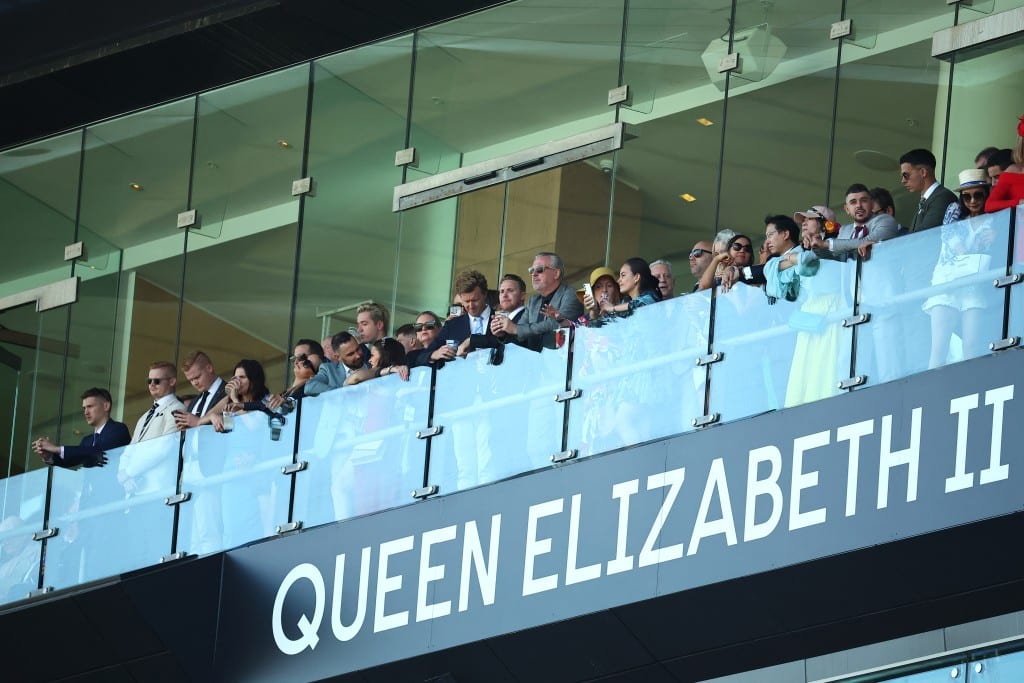
A problematic Randwick escalator that had become a beacon for the financial woes of the Australian Turf Club (ATC) will finally be replaced as part of a $20.1 million infrastructure overhaul of Sydney’s racetracks.
The escalators at the southern drum of the Queen Elizabeth II Stand will be replaced as part of the ATC’s critical capital works program, approved by Racing NSW, to improve training tracks and facilities across the city’s four metropolitan racecourses.
In a sign that the ATC is moving on from the bitter fallout of its failed court bid to stop Racing NSW from appointing an administrator to run the club, the club announced that it would undertake a series of upgrades.
As well as the replacement of the escalators in the Queen Elizabeth II Stand, the multimillion dollar capital works projects will include:
- Removal of escalators in Randwick’s Officials Stand and replaced with a lift and stairs;
- Critical roof repairs in the Officials Stand caused by heavy storms and water damage from Epsom Day;
- Road repairs and resurfacing across racecourses to further improve horse welfare and safety;
- Retire and repair ageing equine assets including tie-up stalls, horse slippage areas and fencing;
- Upgrade of fire and safety measures across Randwick; and,
- Removal of stormwater contamination at some stables.
Alongside existing capital commitments already made by the ATC this financial year, $12.4 million will be directed from the Randwick Capital Fund and $7.7 million through ATC capital expenditure to fund the works.
“This is a significant and long-overdue investment in our racecourses, our member facilities and the critical infrastructure that underpins racing and training every day across our venues,” ATC chief executive Steve McMahon said.
“Importantly, these works are not cosmetic. They focus on essential infrastructure, safety, compliance, equine welfare and operational improvements that will provide lasting benefits for members, participants and racegoers.”
The ATC manages racing and training at Randwick, Rosehill and Warwick Farm as well as racing at Canterbury, which also operates as a quarantine facility for international horses competing at Sydney’s spring and autumn carnivals.
Its 2026 annual report revealed the ATC lost $4.8 million last financial year and that the board’s decision to fight Racing NSW’s ultimately successful move to place the club in the hands of an administrator cost it $4.1 million.
Morgan Kelly was officially appointed in July as administrator of the ATC.
“This level of funding is a strong vote of confidence in the future of the ATC, the work being undertaken by our management team and the progress we are making as an organisation,” McMahon said.
“For many years, critical infrastructure across our venues has required substantial attention. This program allows us to address important priorities while creating a stronger platform for future investment.”
Graeme Hinton will officially take over from Peter V’landys as Racing NSW chief executive next week after acting in the role since July.
McMahon said the ATC and Racing NSW were enjoying a “constructive relationship”.
“There is a shared commitment to improving racing, improving facilities and delivering positive outcomes for the industry,” he said.
“This investment is tangible evidence of what can be achieved when ATC works with a common purpose and a long-term vision.”
The ATC chief executive indicated that the ATC was poised for sustained growth.
“The success of the Sydney Everest Spring Carnival demonstrates the enormous potential of our venues and racing product when we continue investing in world-class experiences for members and customers,” McMahon said.
“While we are pleased with the progress we have made, we know there is much more to do. Our focus remains on improving financial performance, investing responsibly in our assets and building modern racing and entertainment venues that members can be proud of for decades to come.
“This program of works represents a major investment in the future of the ATC and a clear commitment to ensuring our racecourses remain among the leading racing venues in Australia.”
Author

Related Articles
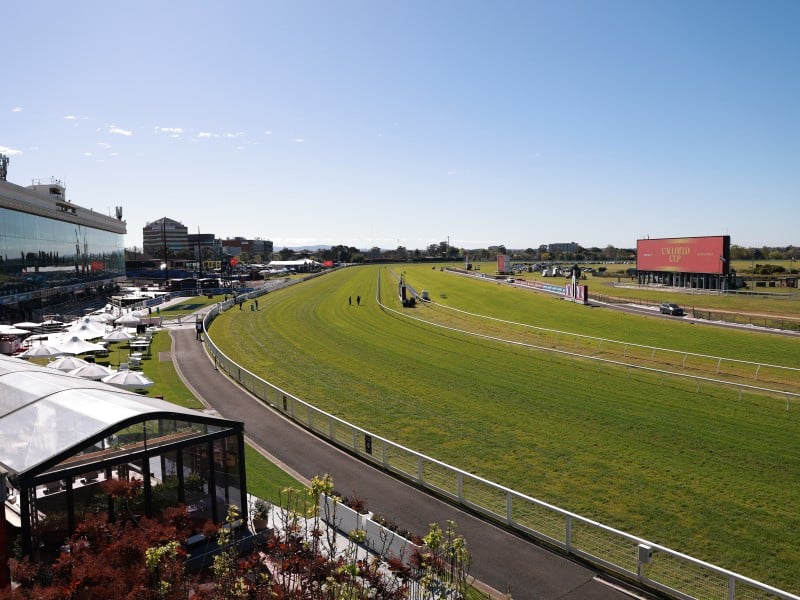
Mount Scopus to proceed with $195 million Caulfield land purchase
Mount Scopus Memorial College will proceed with buying 7.5 hectares of Caulfield Racecourse from the Melbourne Racing Club in a deal that could clear the club’s debt, but may not be finalised until late 2027.
Integrity chief Jamie Stier resigns from Racing Victoria
Jamie Stier, the Racing Victoria integrity chief who has overseen the regulator’s response to a host of major integrity challenges, from the disqualification of Darren Weir to changing Melbourne Cup protocols, is set to depart his role early in 2027.
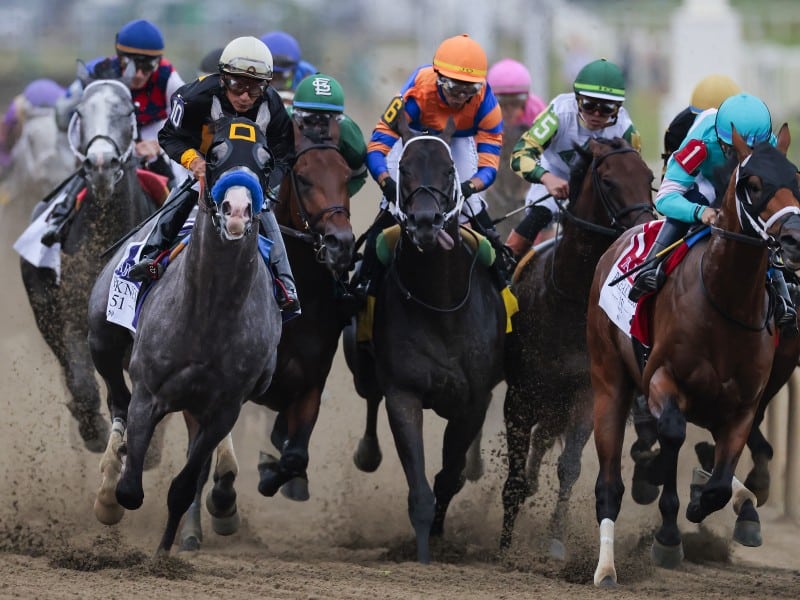
🔒 🔒 A Crown divided – The existential threat to America’s storied racing institution
A split nomination system, a revamped calendar and a new championship series have exposed competing visions for the future of American racing, leaving the US Triple Crown at a crossroads in the latest example of the tension between tradition and innovation in racing.
