
Tassie meetings to be cut as it ‘right sizes’ amid wagering and horse population challenges
Tasmania’s three key racing venues are set to lose meetings in the 2026/27 season, but Tasracing has committed to retaining stakes and offering a better optimised wagering product.
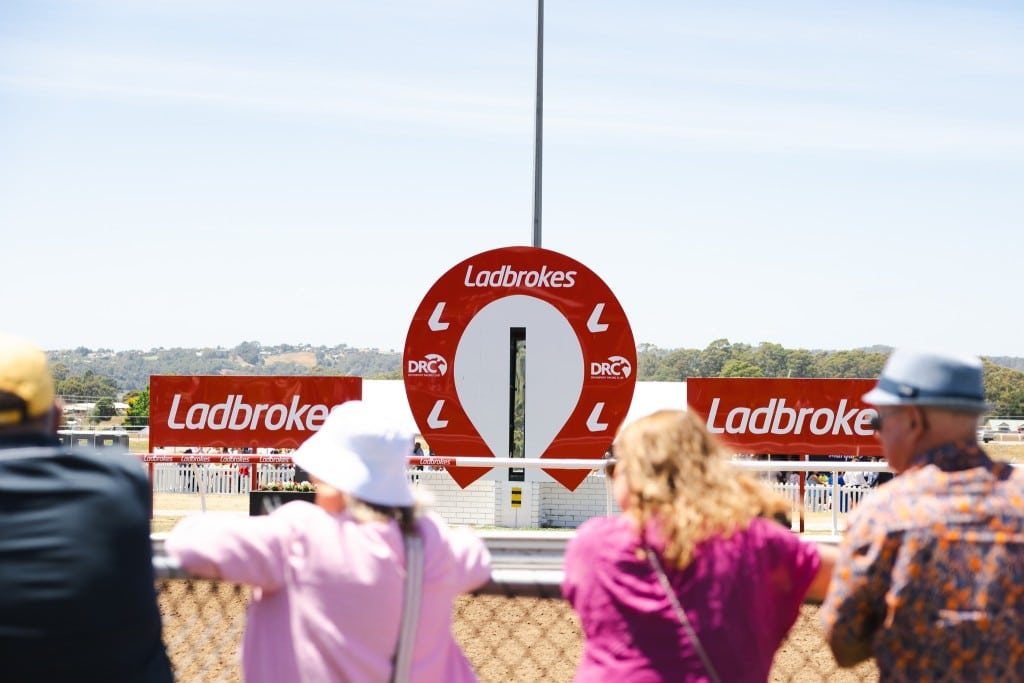
Tasracing’s decision to rationalise meetings in both the thoroughbred and harness codes has caused the racing industry alarm, but the regulator insists it is reacting to wagering trends as well as a drop in the horse population.
With the renewal of the key government funding deed, still to be confirmed, set to expire in 2029, there is understandable anxiety about the future direction of both racing codes in the state, especially with greyhound racing phased out, pending a parliamentary vote.
Tasracing sent out correspondence to breeders, owners, trainers and jockeys at the weekend, indicating its preference to stage five fewer thoroughbred meetings and 10 fewer harness meetings in the upcoming season.
It is undertaking a consultation process with the industry stakeholders, but said it is necessary to make the fixture amendments to “right-size” the industry due to declining foal crops and non-commercial meetings.
The Straight spoke to Tasracing chief executive Andrew Jenkins, who confirmed that discussions are continuing, but changes are likely.
“It’s about maximising our efficiency and minimising our operating costs in particular as related to meetings that are strongly non-commercial,” he said.
Three meetings at the Devonport synthetic track will likely be axed, along with a winter programme in Launceston and a Saturday afternoon spring fixture in Hobart.
But while a loss of five meetings would likely mean at least $1 million in reduced prize money, Tasracing denied it was a budgetary measure.
“To the fullest extent possible, the intention is that all available stakes will continue to be quarantined within code funding,” Jenkins said.
“It’s not at all the case of cutting meetings and then ripping stakes out of the industry for other operational or administrative purposes.”
That will likely mean that key meetings, such as those at Launceston on Friday nights, might be extended to be nine or 10 race cards. Jenkins said those details are being worked through with considerations about jockey and trainer workloads and late finishes.
Tasmania’s Australian Trainers Association representative Stephen Shaw acknowledged that changes need to be made to better commercially align the industry, but he was keen to assess the details in a consultative session expected to take place on June 18.
“At the moment, we have horse fields annually of only 8.2 starters per race over the average of the 12-month period. So, that tells us that we’re losing money from the punting public because we don’t have good race fields,” Shaw said.
“The reduction of five race meetings is not really a problem as long as we don’t lose the stake money that’s attached to the five race meetings.
“I’ve written an email to Tasracing in regards to the race dates, which I’ve highlighted. There’s too big a gap between some of the meetings. There’s 11 days and nine days in there a couple of times, which I think is unreasonable to have.”
Shaw did raise concerns about longer days for staff if meetings were extended to incorporate the extra races.
“There is a fatigue matter in this, and this is a great concern, and it is a concern of the stewards as well,” he said.
The colder Tasmanian nights also need to be a consideration, Shaw said, particularly if meetings are pushed later in the evening. The ATA and the Australian Jockeys Association are also seeking a 1kg-1.5kg rise in weights at this time to protect participants, as well as an increase in riding fees.
While Shaw has faith in the ability of Tasracing to properly execute the change in fixturing – something not all his training colleagues share – he does hold longer-term concerns about the future viability of training models without the certainty of government funding past 2029.
“We have a government at the moment that is just about broke, it’s not in a good position,” he said. “This funding agreement needs to be sealed and done.”
He said that while he was supportive of the additional compliance burden placed on trainers regarding workplace safety, it came at a cost, which made it even harder in tight financial times.
“I think the trainers at the moment are in a very difficult position. I would imagine that a number of them financially are struggling. They just struggle through and hope for that next winner so they can pay bills,” he said.
Align Sport’s Ben Sellenger, former chief executive of Ciaron Maher Racing, has been undertaking a review of the industry’s sustainability as Racing Minister Jane Howlett weighs up the future of the funding deed. Racing Integrity Commissioner Sean Carroll is also playing a key role.
Meanwhile, Jenkins backed Tasracing’s relationship with its participants and the discussions held, specifically regarding the changes to next year’s fixtures.
“We’ve undertaken substantial engagement and consultation via our optimisation review and subsequent report that Align Sport led for us. So, all stakeholders have been given the opportunity and the majority engaged in a really meaningful way in that process,” he said.
“We’ll further engage with the Thoroughbred Advisory Network later this month and go into further detail. And what I can say is that three of the larger, including the largest thoroughbred trainer in Tassie, are fully supportive of the proposed changes.”
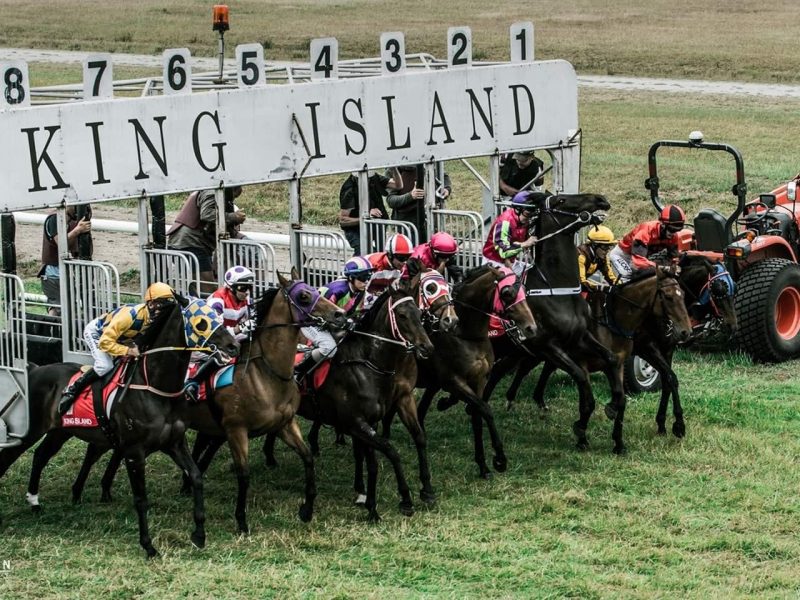
No decision has yet been made on the future of racing on King Island, which went into hiatus last year due to a lack of horses and personnel.
Author

Related Articles
Thoroughbred Park redevelopment enters key stage as government deliberates
Thoroughbred Park’s proposed redevelopment has moved into a crucial phase, with the Canberra Racing Club awaiting a recommendation from ACT planning authorities before the proposal is considered by the Legislative Assembly.
Letter to the Editor – Mick Sharkie – Reimagining the Derby
Mick Sharkie says it is time to look at the fact that Australia currently hosts four Group 1 Derby races at the same distance within a seven-month time frame.

Heddo heads off – CEO to leave Hawkesbury
Hawkesbury Race Club has confirmed that chief executive James Heddo will step down from his role, ending his four-year tenure in July.
