
The last Dance – visionary syndicator off to see the world through a different lens
After decades chasing Melbourne Cup glory, Darren Dance has exited the syndication game, leaving a pioneering legacy that reshaped Australia’s staying ranks through international scouting and ambition.
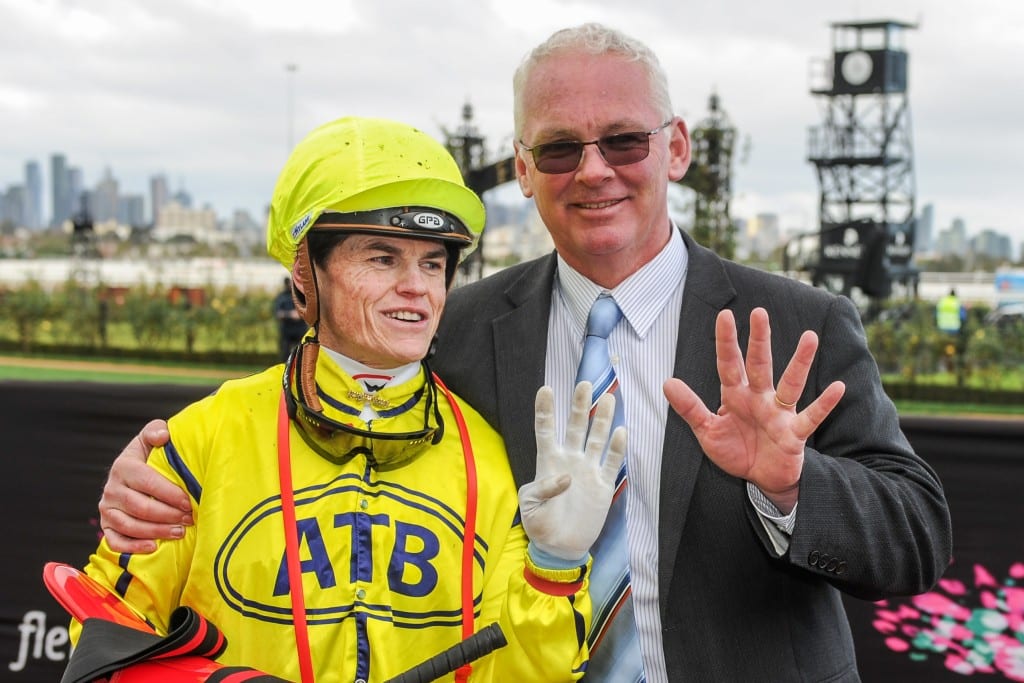
In defeat, Darren Dance sensed an opportunity that would become a recognised pathway to success in Australia’s greatest thoroughbred race.
Before high-profile, cashed-up Australian owners started buying established overseas stayers specifically to run in the Melbourne Cup, it was Dance and a team of clients who were among the first to take a leap of faith within a public syndication model.
Under the auspices of Dance and his wife Liz’s syndication business, Australian Thoroughbred Bloodstock (ATB), a share in the US import Unusual Suspect turned into a full-scale ambition for Cup glory.
Unusual Suspect was a top-10 placegetter in Dunaden’s 2011 Cup victory, finished down the course 12 months later and was retired soon after winning the 2012 Werribee Cup.
Dance has been chasing a Melbourne Cup winner ever since. He has two minor placings to show for an adventurous and pioneering pursuit of northern hemisphere stamina, which went to a new level in 2012.
That’s when ATB’s well-travelled Jakkalberry finished third behind Green Moon and Fiorente – two high-calibre stayers imported by Lloyd Williams and Gai Waterhouse respectively – establishing a blueprint for others to follow.
Fiorente returned in triumph a year later, the German-trained but Australian-owned Protectionist delivered in 2014.
Williams’s Melbourne Cup obsession was rewarded when his imports Almandin (2016), Rekindling (2017) and Twilight Payment (2020).
The Protectionist connection came to the fore again when Gold Trip, good enough to run fourth in a Prix de l’Arc de Triomphe, gave weight and a beating to his rivals in 2022.
Luckless when runner-up in a photo to Almandin was Heartbreak City, who now stands as the one that got away for Dance after the news he has sold ATB and is enjoying the fruits of a retirement plan that includes a crowded domestic and international holiday travel itinerary.
The ATB baton has been passed to Stephen Everett and Tash Blakley’s SCT Syndications in a deal involving “the whole show”, including broodmares and untried horses.
“We had a few people actually approach us just out of the blue about ATB, whether it was for sale,” Dance told The Straight.
“We weren’t actively trying to sell it. And then SCT came along. I’ve known Stephen Everett for probably 30 years. We actually bred and raced a horse called True Courser together back in 2005.
“We had a meeting and we were happy to sell it to them on the basis that they would run it pretty much the same way we did.
“So it just made sense to be able to preserve the brand and the colours and look after the clients, and it meant that we can travel around Australia or overseas without having to try and keep the business running.
“That’s pretty much how it happened, and it happened quickly. I think from the day they rang me to the day we settled it wouldn’t have been two months.”
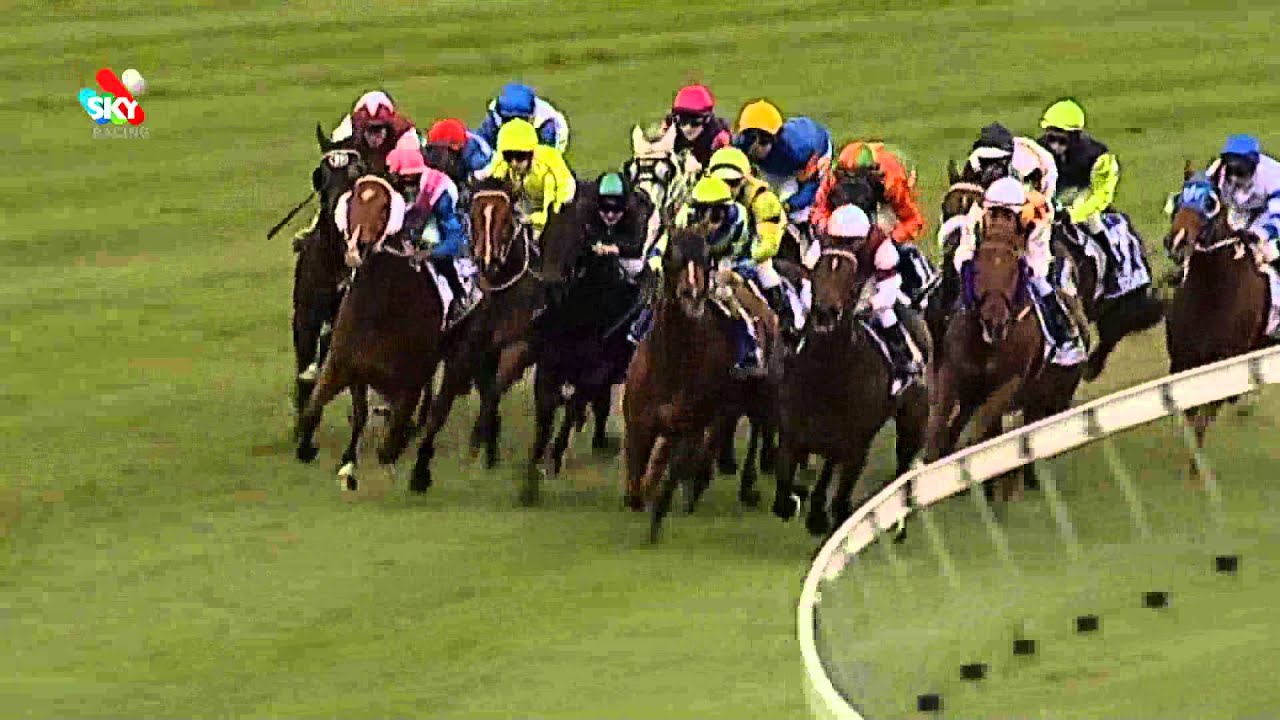
Dance will exit syndication with lifelong memories thanks to Group 1 winner Platelet, Caulfield Cup runner-up Dandino, who emulated Jakkalberry’s two USA St Leger wins by claiming the 2013 edition en route to Australia, and Heartbreak City.
ATB was founded in 1997. Long-lasting friendships have been formed with people who started out as clients.
Like the farm enterprise that followed, the company was built from the ground up.
But with a career in retail, Dance wanted a point of difference from other syndication firms that were emerging around the same time.
There had been a reliance on homebreds and yearling sales purchases before trying to find a Melbourne Cup runner became more than an afterthought.
“We were looking at ways that we could just stand out from the crowd and what opportunities there were,” Dance said.
“And, obviously, with some of the international raiders coming out and running well in the Melbourne Cup, we started to look overseas for a Cups horse.”
Unusual Suspect provided a light-bulb moment and Dance’s reconnaissance and due diligence went into overdrive.
“After that we thought, ‘oh, we need to really sit down here and just get some rules and criteria around this project’. Really go through all the horses that are running up there (in Europe) and get a handle on the form and try and find one that we think can be really competitive,” he said.
“We wanted something that was qualified, something that was for sale and was sound. There was a whole raft of things we wrote down.”
Former Racing Victoria executive Greg Carpenter became a sounding board and a short list was created.
“I think we looked at every horse rated 100 plus in Europe. We just started from the number one-ranked horse,” Dance said.
“We obviously had to rule the line through all the Godolphin ones and the ones that were probably owned by the Queen and those sorts of people.
“But we got down the list and we came across Jakkalberry, who was trained in Italy, and that’s how we got involved there.”
Inevitably, Dance and other talent spotters became victims of their own success.
He says an insatiable Australian appetite for overseas horses has driven the market to an overheated state. Asking prices have skyrocketed. Only those with deep pockets survive.
Reluctantly, Dance has since retreated from that way of doing business, leaving an unfilled ambition to win the Melbourne Cup.
“In recent years, we haven’t really been that active in that space because the prices just got too dear to buy qualified horses. It just got out of control,” he said.
“We’ve got to a point where different people came in and started paying one million, two million, and now even four million (dollars).
“But we stepped out of it then because it just wasn’t realistic. It wasn’t something we wanted to go down that path.”
Nevertheless, Dance says the Melbourne Cup will never lose its appeal and he would consider having an involvement again as “a normal owner” once he and his wife have seen the world.
“To be able to pick those horses out and then bring them here and watch that plan come together and almost come off, is a highlight for me,” he said.
“I don’t think that hunger for the Melbourne Cup ever goes away.”
Related Articles
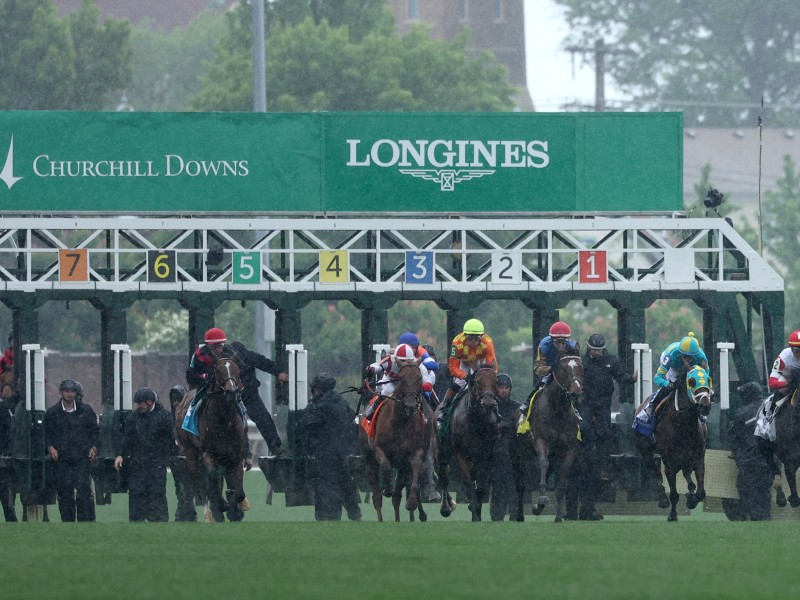
Empire Rose Stakes seeks American flavour with Kentucky connection
An agreement between the Victoria Racing Club and Churchill Downs will see the winner of a key support race to this weekend’s Kentucky Derby given a free ticket to entry into a Melbourne Cup carnival Group 1.
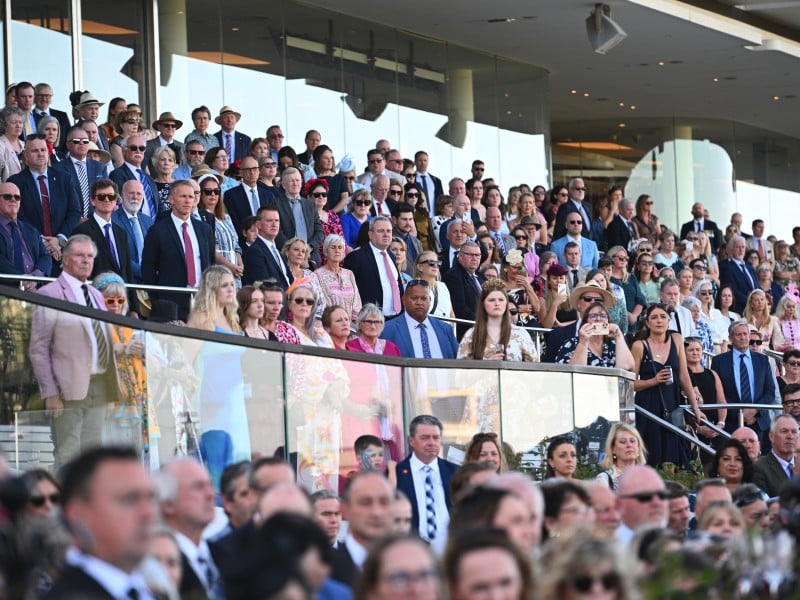
‘Not the experience that we want to deliver’ – VRC’s public holiday problem rolls on
While the Victoria Racing Club marked a record Anzac Day crowd at Flemington, it has been forced to apologise to members who lambasted the standard of service and catering at the public holiday meeting.
Perth Racing signs SEN radio deal to capitalise on feature raceday momentum
Perth Racing will partner with Sports Entertainment Network from May 1, expanding its media reach after strong attendance growth driven by younger audiences at key racing events.