
‘There are no rules’ – 1000 wins later, David Price on his formula for Hong Kong success
A low-key Class 4 winner at Sha Tin delivered a major milestone for Price Bloodstock. David Price shrugs off his 1000th Hong Kong win as a sign he is getting old, but the man himself and those key to his success reflect on how they turned a hobby into one of the most influential forces in Hong Kong racing.
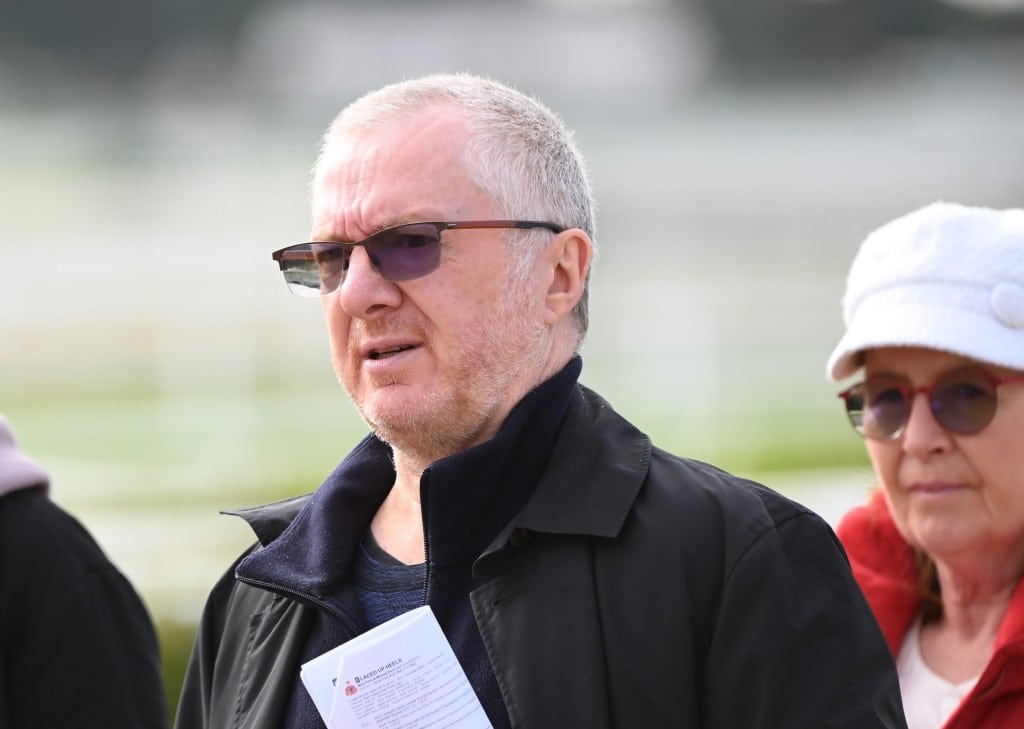
Expatriate Australian David Price never imagined it would get this big or that he’d have such an impact on Hong Kong racing but it is undeniable that he has shaped the industry that has consumed him for decades in a way that he never thought possible.
When the Tony Cruz-trained He Was Me won the second race at Sha Tin on Sunday, bringing up win number 999, and four races later the Chris So-trained Elite Golf took out a Class 4, his second victory in four starts, it registered a milestone 1000th win in Hong Kong for Price Bloodstock-traded horses.
That’s 1000 wins, not winners, and there’s a difference, Price was at pains to point out, with the achievement dating to the mid to late 1990s.
But whichever way you measure the success, it’s a tremendous effort, particularly one that Price says started out as a hobby three decades ago and morphed into a huge business run by him and his wife, Jenny Chapman.
With typical dry Australian wit, Price says the milestone “probably means we’re getting old”.
“I’ve probably had a share in a racehorse since I was 16 years old and I’ve never been bored at looking through pedigrees and watching races,” Price tells The Straight.
“I’m probably a bit of a round-the-clock workaholic on racing. It’s an industry where we live a passion.
“If you’re lucky enough (to work) in racing and you’re all in, you are living a passion. This is probably the pathway our passion ended up finding.”
Merrick Staunton, who was knocking around with trainer Robert Smerdon in the early 1990s, became a great source of knowledge and provided Price, a revered professional punter, with added industry nous.
He’s been to almost every Australasian yearling sale for the past 35 years, his regular presence only interrupted by the pandemic-enforced lockdowns, and he has been assisting Price for almost as long.
The brief is relatively simple, says Staunton, focusing on “mainly sound sprinters, that’s what you’re looking for” and that “you know within seconds of when it walks out whether it’s got a fault that you can’t forgive”.
“You’re trying to buy him (Hong Kong owner) a horse that’ll race for five or six years and who will get a couple of (winning) photos,” Staunton says.
“That way, he’s got a horse to go to the races with. (Price) tries to sell winners, so he likes to be able to see how the horses go before he sells them. Then he offers them to the owners up there.
“He’ll show them a barrier trial video or something and speak to the jockeys before selling them to Hong Kong.”
Another integral member of the team, John Foote, was helping trainer David Hall select his yearlings in the early 2000s, with the trainer also a close associate of Price.
Foote bought the dam of Makybe Diva, the champion mare Hall prepared to win her first of three Melbourne Cups in 2003 before handing her over to Lee Freedman when he secured a permit to train in Hong Kong.
It was while he was working with Hall that Foote and the trainer picked out an El Moxie yearling colt from the 2001 Inglis Classic Yearling Sale for $55,000.
He would become Silent Witness, Hong Kong’s champion sprinter of the early to mid-2000s whose record of 17 Hong Kong wins (and one in Japan) was surpassed just this month by Asia’s new sprinting superstar Ka Ying Rising.
“David has a phenomenal record up there (in Hong Kong). Most Sundays he has a winner and he had a five-timer last year I think it was. They’ve done phenomenally well because his system is very good,” Foote says.
“He buys nice horses and he gives them the time, which horses need.”
Had it not been for Silent Witness, perhaps the Price Bloodstock-Foote partnership wouldn’t have progressed as far as it has a quarter of a century later.
Price says it was that horse, a cult hero of Hong Kong racing, that also helped propel Price Bloodstock into what it is today, morphing into a major business.
“It’s probably taken a couple of detours along the way but this is something that just started out as a little bit of a hobby back in the mid-’90s and I think Silent Witness, you could say, made it and put us on the centre stage,” Price says.
“The challenge after that was not to think of using that as an excuse for lowering the bar. They’re a bit difficult to get, horses that good, but we’ve had a number of Group horses and Group 1 winners since, so we’ve always been striving to do the best.
“Footey and Merrick and the likes of Paddy Payne and Billy (Wong) are on the ground at the sales, so it’s the role that a lot of people play back in Australia that probably, at the end of the day, puts my name in lights.
“I think they’re probably the people who are more deserving of getting the accolades.”
Asked what characteristics he looked for when considering a horse might be suitable for the unforgiving Hong Kong racing environment, Price said there was one trait that trumped all others.
“A fast one,” he says without a second thought.
“Look, I’ve got to say, I’m someone who does see a lot of humour in a lot of things and I think the sales clichés never cease to amuse me.
“Apparently there’s so many boxes you’re meant to tick. I had a homebred colt down there (in Australia) a few years ago who didn’t get to the races and we named him Ticks No Boxes.
“Unfortunately, he didn’t get to the races for that reason, so the only box he ticked was slow.”
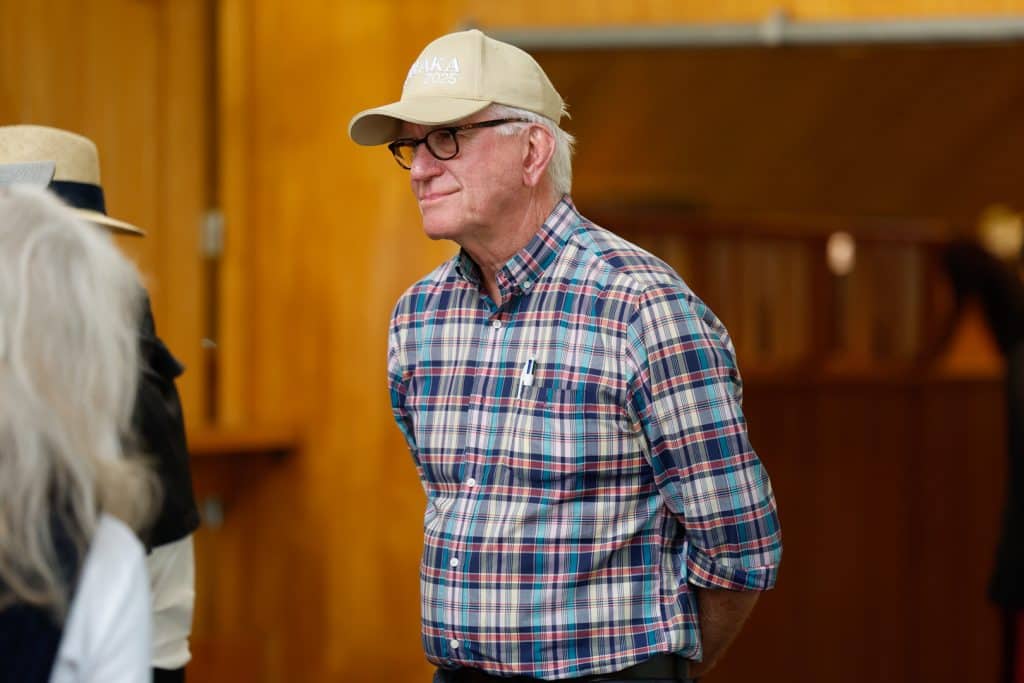
It might surprise some observers who see them side by side at sales grounds around Australia, but Staunton says he and Foote rarely discuss horses nor do they regularly inspect yearlings together.
Staunton does his thing; Foote compiles his own list.
If they land on the same horse, and Price buys him, then they are both listed on the buyers’ sheet, although that’s a relatively new initiative implemented by Maree McEwan, and it’s a rare occurrence.
“Billy’s gone to the sales, he’s sort of floated around with both of them, and I’ve always loved the fact that I have got two or three sets of eyes,” Price says.
“They don’t always clash with their purchases and they probably look at each other’s purchases sometimes and say, ‘I wouldn’t have bought that’. But I work on the fact that it’s a numbers game and they’re both good at it.
“They’ve both got a slightly different eye and it’s, I dare say, (winners come in) all shapes and sizes. Between the two of them they buy enough nice horses that we seem to get enough up here, which is always pleasing.”
McEwan, somehow, keeps everything on track and is the ear on the ground for Price, often attending jumpouts and trials, inspecting horses at the stables and on the sales circuit in her capacity as a contractor.
Pedigree is a small part of the puzzle and the stallion is secondary.
The two winners at Sha Tin on Sunday are a case in point. He Was Me is by Needs Further and a Magic Millions Tasmanian sale graduate selected by Foote for $75,000.
Elite Golf, a progressive three-year-old, is by shuttle stallion Frosted, a Darley sire who wasn’t brought back to Australia after the 2022 season. Staunton picked him out at the 2024 Magic Millions sale on the Gold Coast for $140,000.
“I sat with (international industry figure) Jim McGrath for 10 minutes (on Sunday). I always love having a chat with Jim and he was discussing Frosted and almost in the exact vocabulary of ‘why would you buy a Frosted?’,” Price recalls.
“I’ve got a great relationship with Footey and Merrick and I really don’t waste my time giving them a list. I might do the catalogue but I don’t give them a list.
“The focus is always on the individual … and we’ve sort of stuck to the model and when they do turn up and they’re usually nice horses.
“By the time they get on a plane we do feel that they’ve ticked enough boxes to warrant a trip to Hong Kong. But I would say, I think rule one to me is there are no rules.”
Price also credits Patrick Payne, one of the suite of Australian trainers used to prepare the horses who wear the red, white and blue hooped silks, for also playing a key role in buying yearlings on his behalf.
Lindsay Park, Allan and Jason Williams, Richard and Chantelle Jolly and Symon Wilde also prepare horses for Price Bloodstock.
“The thing that I appreciate or I’ve always liked the most is when something does win in Hong Kong, it’s always a thumbs up or a positive message from those back home (from their previous trainers),” Price says.
“I’ve always had other trainers that have sort of said, ‘I’d love to train for you’ and I’m thinking, ‘no, you wouldn’t because you’re ignoring the fact that the moment something goes good I’m trying to get it out of the joint’.
“I think for a lot of people that’s probably not going to work.”
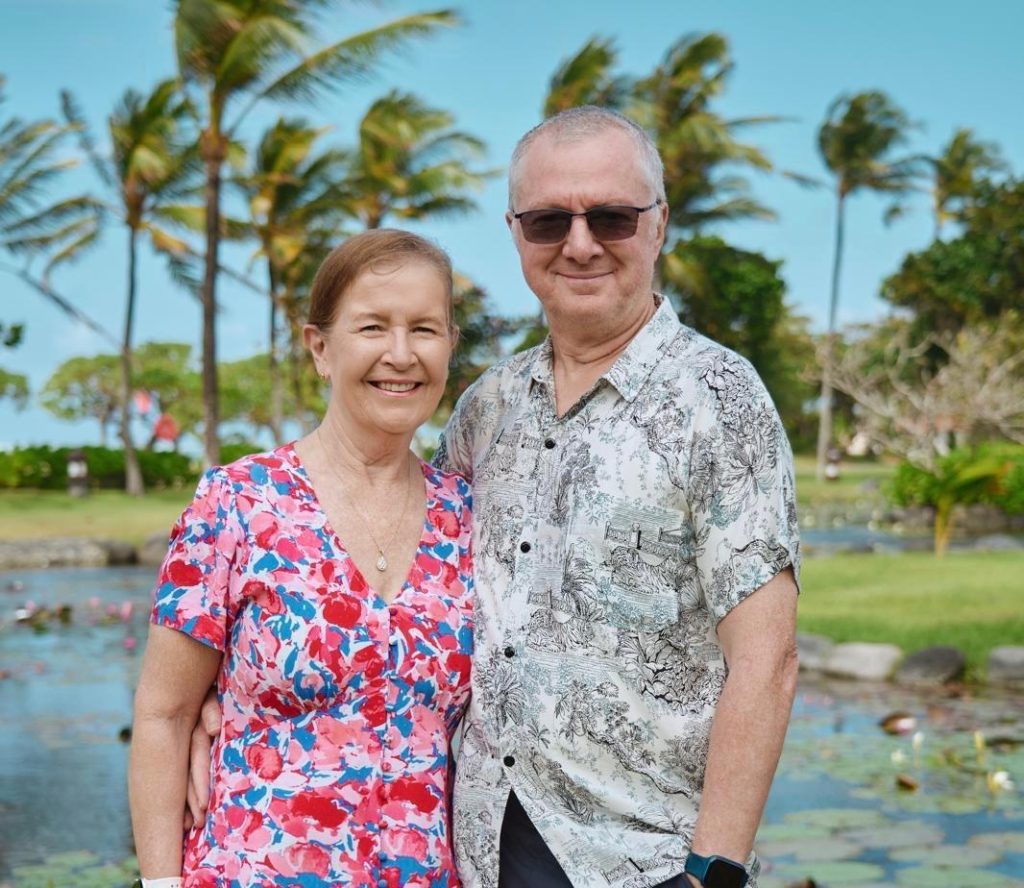
Operated in partnership with Chapman, a respected mounting yard analyst as part of the Hong Kong Jockey Club’s television broadcast team, Price’s extensive bloodstock portfolio has expanded to include a small broodmare band, with Aviatress, a homebred mare by Smart Missile, winning three stakes races so far for the Jollys.
Price hopes there’s plenty more Hong Kong winners produced through their system but “we’re never complacent”.
“Hong Kong owners can have their challenges at times, but deservedly so. They all want good horses and they’re all willing to try different people, different suppliers I think is the best way of putting it,” he says.
“Certainly, I’ve got some terrifically loyal ones, and some come, some go, and some come back. It’s just the nature of the game but we’re always forever trying to produce the right horses.
“Sometimes the horses don’t follow the script as much as you would like but that will never change.”
Author
Related Articles
🔒 🔒 From a flip of the coin to The Everest summit – Ka Ying Rising’s unlikely beginning
The remarkable story of Ka Ying Rising begins not on the racetrack, but with a sub-fertile stallion, a $500 mare and a mating where the odds of success were far longer than those he faces at Randwick on Saturday.
🔒 🔒 Galileo’s Cup curse lives on at Caulfield, but his influence remains
For the first time since 2015, Galileo has no direct representative in the Caulfield Cup. Yet while he has never sired a winner of Australia’s great handicaps, his descendants continue to leave an increasingly powerful imprint on both the Caulfield and Melbourne Cups.
Inglis achieves $30 million goal as Ready2Race Sale jumps over 50 per cent
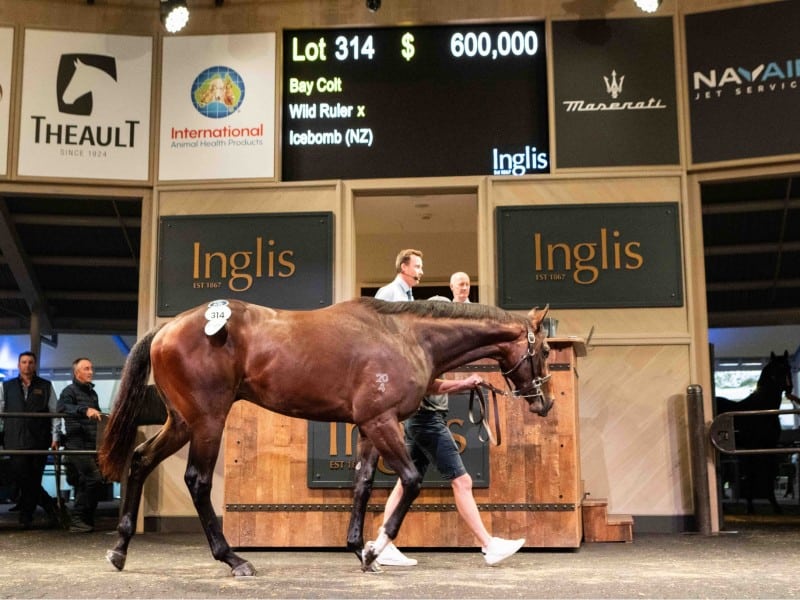
Leading Australian trainers and prominent Hong Kong investors have helped Inglis surge to record trade at its 2026 Ready2Race sale in Sydney, with over $30 million traded.
